As a business owner, you wear a lot of hats, and “payment processing expert” probably isn’t one you’re eager to add to the collection. You just want a reliable way to accept payments without getting bogged down in confusing terms and hidden fees. When you start shopping around, the sheer variety of options can be overwhelming. You see everything from simple mobile readers to sophisticated point-of-sale systems, and the pay swipe machine price seems to be all over the map. This guide is designed to cut through the noise. We’ll break down what really drives the cost, what features you actually need, and how to find a transparent partner who helps you save money.
Key Takeaways
- Calculate the total cost, not just the hardware price: The true expense of a pay swipe machine includes the upfront hardware cost, per-transaction processing rates, and any recurring monthly fees. A transparent partner will break down all these charges for you.
- Prioritize essential features over expensive extras: Your machine must accept chip cards and contactless payments like Apple Pay. Beyond that, choose features that fit your actual business needs to avoid overpaying for technology you won’t use.
- You have the power to negotiate a better deal: Don’t accept the first offer you receive. Get quotes from multiple providers, read contracts carefully to spot hidden fees, and use your sales volume as leverage to secure more favorable rates.
What is a Pay Swipe Machine (and Why Do Prices Vary So Much)?
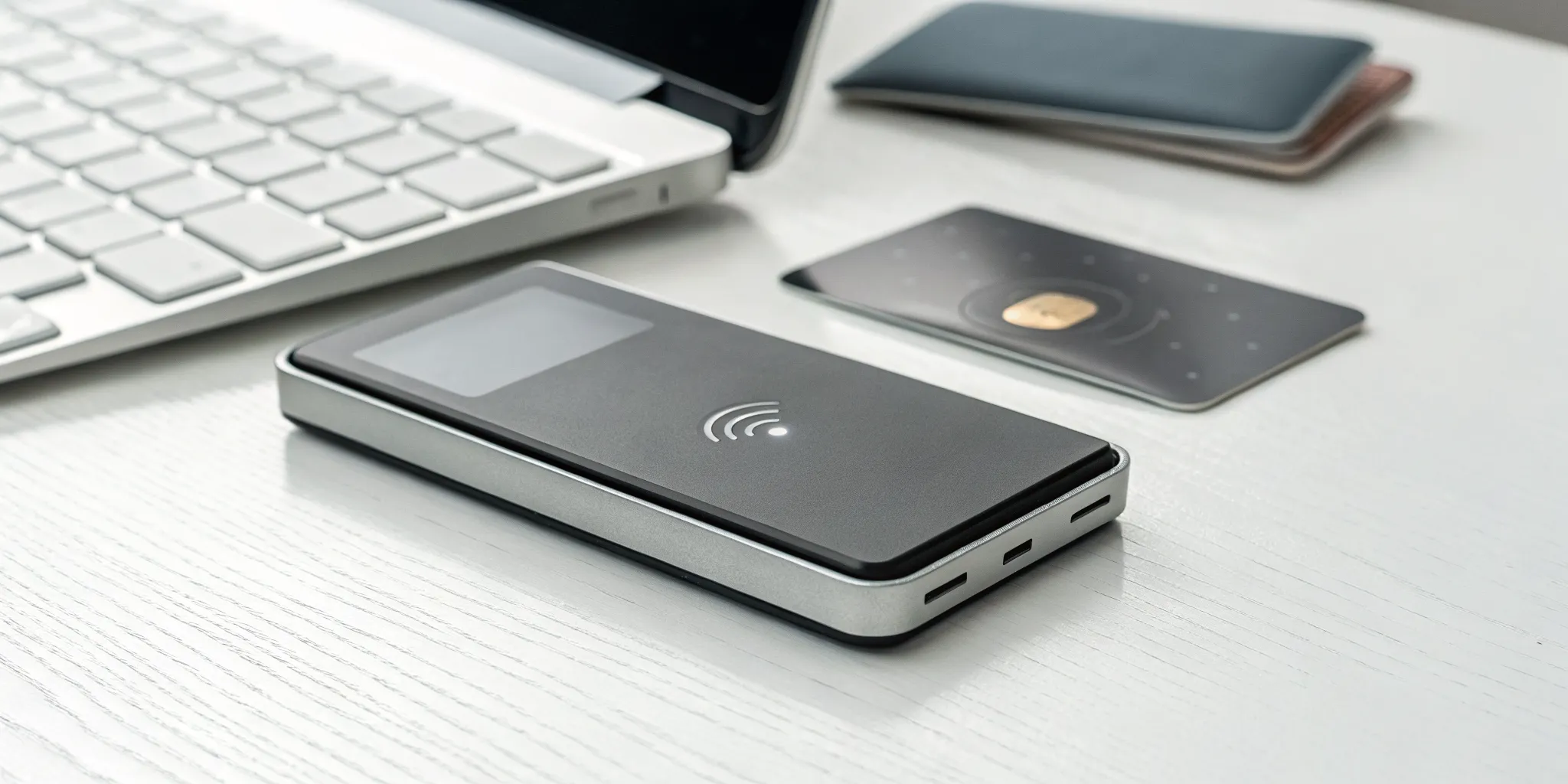
If you’re looking to accept card payments, you’ve probably heard the term “pay swipe machine.” Simply put, it’s a device that reads the information from a customer’s credit card, debit card, or gift card to process a transaction. You might also hear it called a payment terminal or card reader. But here’s where it gets a little complicated: that single term covers a huge range of devices, from a simple reader that plugs into your phone to a sophisticated, all-in-one point-of-sale (POS) system.
This variety is the main reason why prices vary so much. Asking how much a swipe machine costs is a bit like asking how much a vehicle costs. Are you looking for a basic scooter to get around town or a heavy-duty truck to haul equipment? The features, technology, and capabilities are vastly different, and so is the price. The cost isn’t just about the physical hardware, either. The total price you pay is a combination of the machine itself, the fees for each transaction, and any monthly service charges. Understanding these components is the first step to finding a solution that fits your business and your budget.
The main types of payment terminals
Not all card readers are created equal. The right one for your business depends on how and where you sell. A brick-and-mortar boutique has different needs than a plumber who takes payments at a client’s home. You can find several different types of machines, each designed for specific situations. Common options include:
- Standard terminals: The classic countertop machines you see at most retail checkout counters.
- Wireless terminals: These give you the freedom to take payments anywhere in your store, which is great for restaurants or busy shops.
- Mobile card readers: Small devices that connect to a smartphone or tablet, perfect for markets, food trucks, and service providers on the go.
- Unattended terminals: Self-service kiosks you might find at a parking garage or movie theater.
Key factors that drive the cost
The price of a credit card machine can range from under $50 for a basic mobile reader to over $1,000 for an advanced POS system. The cost of a credit card machine isn’t just the hardware; there are many fees involved. The total cost is typically broken into three main parts: the machine itself, fees for each transaction, and other recurring charges.
A simple machine with a keypad, screen, and chip reader will land on the lower end of the price spectrum. As you add features like a built-in receipt printer, a large touchscreen, inventory management software, or wireless connectivity, the price goes up. Think about what you truly need to run your business efficiently versus what might be a nice-to-have feature.
What’s the Real Cost of Different Card Readers?
The price tag on a pay swipe machine is just the starting point. The hardware you choose depends entirely on how you do business, whether you’re ringing up customers at a counter, taking payments on the go, or managing a full-scale restaurant. Understanding the main types of card readers and their typical costs will help you find the right fit for your operations and your budget. Let’s look at the most common options and what you can expect to pay for each.
Mobile and smartphone readers
If your business is always on the move, a mobile reader is your best friend. These compact devices connect to your smartphone or tablet, turning your personal device into a payment terminal. They’re perfect for food trucks, artists at craft fairs, or service providers who work at clients’ homes. Basic models that just swipe cards can start around $50, while more advanced readers that accept chip cards and contactless payments can run upwards of $300. The convenience and low entry cost make them a popular choice for new and mobile businesses exploring mobile payment processing.
Standard countertop terminals
This is the classic, reliable workhorse you see at most retail stores and service desks. Standard countertop terminals are built for high-volume environments where you have a dedicated checkout space. They connect directly to your internet and power source, offering a stable and fast transaction experience. The upfront cost for these machines typically ranges from $100 to $850. The price variation depends on features like a color touchscreen, Wi-Fi capability, or a built-in receipt printer. While they aren’t portable, their durability and straightforward functionality make them a solid investment for any established brick-and-mortar business.
All-in-one POS systems
Think of an all-in-one POS system as the command center for your business. It goes far beyond simply accepting payments. These systems typically include a touchscreen monitor, cash drawer, barcode scanner, and powerful software to manage inventory, track sales data, and handle customer relationships. While the initial investment is higher, often starting around $479 and going up from there, they can streamline your entire operation. By integrating sales with inventory and reporting, a good point-of-sale (POS) system can save you significant time and help you make smarter business decisions. They are ideal for retail shops, cafes, and restaurants.
Wireless and portable devices
Wireless terminals offer the best of both worlds: the full functionality of a countertop machine with the freedom of mobility. These handheld devices are perfect for businesses where you bring the payment to the customer, like restaurants offering pay-at-the-table service or retailers who want to bust lines during busy hours. They connect via Wi-Fi or a cellular network and are equipped to handle all modern payment types, including chip cards and contactless payments like Apple Pay. Their price is often comparable to or slightly higher than high-end countertop models, but the flexibility and improved customer experience can be well worth the investment.
Essential Features vs. Pricey Add-Ons
When you start shopping for a pay swipe machine, the sheer number of options can feel overwhelming. It’s easy to get drawn in by sleek designs and long feature lists, but not every business needs a terminal that does it all. The key is to separate the absolute must-haves from the pricey add-ons that might not fit your workflow. Paying for features you don’t use is like buying a sports car for a daily commute in rush-hour traffic; it looks impressive, but it doesn’t actually get you there any faster.
Think about your specific business needs. Do you run a busy coffee shop with a line out the door, or a boutique where you have longer, more personal interactions with each customer? Are you at a fixed location, or do you sell at farmers’ markets every weekend? Answering these questions will help you identify the features that will genuinely support your business and which ones you can skip. This approach ensures you get a reliable, efficient machine without overspending on technology you’ll never touch. Let’s break down what’s truly essential.
Must-haves: Chip readers and tap-to-pay
In today’s market, accepting EMV chip cards and contactless payments isn’t just a nice perk; it’s a fundamental requirement. Customers expect to be able to dip their chip card or tap their phone to pay. A machine without these capabilities looks outdated and can slow down your checkout line. More importantly, processing chip cards is a critical fraud prevention tool that protects your business from liability for counterfeit card transactions. Offering tap-to-pay options like Apple Pay and Google Pay also provides a fast, secure, and convenient experience that modern shoppers appreciate. These features are the baseline for any payment terminal you consider.
Connectivity options and processing speed
How your machine connects to the internet directly impacts its performance. A slow, unreliable connection can lead to frustrating delays for you and your customers. Most modern terminals offer a few connectivity options. Wi-Fi is standard for most storefronts, while a hardwired Ethernet connection provides maximum stability. If you need to take payments away from your counter or on the go, look for a wireless device with a long-lasting battery and reliable cellular (4G or 5G) service. The goal is to ensure every transaction is processed quickly and smoothly, no matter where you’re making a sale.
Critical security and compliance features
Protecting your customers’ payment information is non-negotiable. Your card reader must be compliant with the Payment Card Industry Data Security Standard (PCI DSS) to avoid hefty fines and maintain customer trust. Essential security features include end-to-end encryption, which scrambles card data the moment it’s captured, making it unreadable to fraudsters. A secure machine also needs to support modern safety protocols for EMV chip cards. Skimping on security is a risk that’s never worth taking, so always confirm your device and payment partner meet all current compliance standards.
Display screens and receipt printers
This is where you can start making choices based on your budget and business style. A simple terminal might have a basic backlit screen that just shows the transaction amount. In contrast, a more advanced POS system will feature a full-color touchscreen that you and your customer can interact with. While a touchscreen is great for managing complex orders, it’s often overkill for a simple retail checkout. Similarly, consider if you need a built-in receipt printer. Many customers now prefer digital receipts sent via email or text, which can save you money on both the hardware and ongoing paper costs.
Decoding the Full Cost: Hardware, Fees, and Hidden Charges
When you’re shopping for a pay swipe machine, the sticker price is only the first piece of the puzzle. The total cost of accepting credit cards is a mix of hardware costs, transaction fees, and other monthly charges that can sometimes be tucked away in the fine print. To make a smart decision for your business, you need to look at the complete picture. Let’s break down the main costs you can expect to see.
The upfront cost of the machine
The physical terminal is your most obvious expense. Credit card machines can range from around $200 for a basic model to over $1,000 for a more advanced system. A standard, entry-level machine will handle the essentials: swiping magnetic stripes, reading EMV chip cards, and accepting PINs on a keypad. If you need more functionality, like a full point-of-sale (POS) system with inventory management or a portable device for taking payments on the go, you can expect the initial hardware cost to be higher. Think about what features are truly essential for your daily operations before you invest.
Understanding transaction fees and rates
This is where things can get complicated, but it’s also where you have the most room to save. For every transaction, you’ll pay a processing fee, typically a percentage of the sale plus a small flat fee. What many business owners don’t realize is that these rates aren’t always set in stone. While some parts of the fee are non-negotiable (like interchange fees paid to the card-issuing bank), the processor’s markup is often flexible. Don’t be afraid to negotiate a better rate with your provider. A small reduction can lead to significant savings over time, especially as your sales volume grows.
Monthly service and rental fees
Beyond the cost per swipe, most payment processors charge monthly fees to maintain your account. These can include statement fees, customer service fees, and fees for accessing the payment gateway. If you choose to lease or rent your machine instead of buying it, you’ll also have a recurring equipment fee. These charges add up, so before signing an agreement, ask for a complete and itemized list of all monthly fees. A transparent partner will have no problem breaking down exactly what you’re paying for each month, ensuring there are no surprises.
Setup, activation, and contract costs
Be cautious of deals that sound too good to be true, like a “free” credit card terminal. Providers are in business to make money, so the cost of that hardware is usually recovered through higher processing rates or a long-term, non-cancellable contract. Some companies also charge a one-time setup or activation fee. The biggest thing to watch for is an early termination fee (ETF). If you’re locked into a multi-year contract and need to switch providers, you could face a hefty penalty. Always read the fine print and understand the full terms of your agreement before you commit.
Watch Out for These Hidden Costs
The price tag on a swipe machine is just the tip of the iceberg. The real cost of payment processing is often tucked away in your merchant agreement, disguised as various fees and charges that can quickly eat into your profits. It’s easy to focus on the hardware cost and the main transaction rate, but a savvy business owner knows to look deeper.
Think of your merchant statement as a contract that deserves a thorough read-through. Some providers count on you skimming the details, which is how unexpected costs pop up on your bill month after month. Getting familiar with these common hidden charges is the best way to protect your bottom line. It helps you ask the right questions from the start and compare providers on a truly level playing field. Let’s pull back the curtain on the fees you need to watch out for.
PCI compliance and security fees
Every business that accepts credit cards must be PCI compliant, which is a set of security standards designed to protect customer card data. While this is a non-negotiable part of processing payments, how you’re charged for it can vary. Some processors include it in their standard service, while others bill it as a separate monthly or annual fee. You might also see a “PCI non-compliance” fee, which is a penalty for failing to validate your compliance on time. Don’t assume these costs are set in stone; many of these merchant fees are negotiable. Always ask a potential provider how they handle PCI compliance fees and what support they offer to help you stay secure.
Early termination penalties
Signing a long-term contract might seem like a way to lock in a good rate, but it can also lock you into a bad situation. Many providers include an early termination fee (ETF) in their agreements, which means you’ll pay a hefty penalty if you want to switch processors before your contract is up. Some agreements even include an auto-renewal clause that can trap you in an outdated plan for years. Look for a provider that offers month-to-month agreements. This gives you the flexibility to make a change if your business needs evolve or if you find a better deal elsewhere, without having to worry about a costly exit.
Chargeback and dispute fees
Chargebacks happen when a customer disputes a transaction with their bank. While they are an unavoidable part of doing business, they shouldn’t break the bank. Most processors charge a fee for every chargeback filed against you, and you usually have to pay it even if you win the dispute. These fees can range from $15 to $50 or more per incident. Hidden credit and debit card fees like these can seriously cut into your profits, especially if you have a few disputes in one month. Before you sign up, ask about the provider’s chargeback fee and what tools or support they offer to help you prevent and manage disputes.
Statement and account management fees
Beyond the main transaction rates, your monthly statement can be filled with smaller, recurring charges that add up. These can go by many names: statement fees, account fees, monthly service fees, or even IRS reporting fees. While a single $10 monthly fee might not seem like much, it adds another $120 to your annual processing costs. When you’re comparing providers, ask for a complete schedule of all potential fees. This transparency allows you to see the full picture and understand exactly what you’ll be paying for. Taking the time to review these details will give you the insight you need to successfully negotiate terms that work for your business.
How to Find a Payment Partner That Fits Your Budget
Choosing a payment partner is one of the most important financial decisions you’ll make for your business. It’s about so much more than just the upfront cost of a pay swipe machine; it’s about finding a provider whose fee structure, technology, and support align with your long-term goals. Think of it this way: your payment processor is the gatekeeper for your revenue. A great one ensures your money flows into your account quickly, securely, and without taking a huge cut. A bad one can become a constant source of frustration with confusing statements, surprise fees, and unreliable service that hurts your customer experience.
The key is to look for the best overall value, not just the lowest price tag on a terminal. It’s tempting to grab a “free” card reader, but these offers often come with strings attached, like inflated transaction rates or a long-term contract you can’t get out of. Over a few years, that “free” machine could cost you thousands more than a terminal you paid for upfront with a fair processing agreement. The right partner acts as an extension of your team, offering transparent pricing and solutions that genuinely help your business save money and operate smoothly. They take the time to understand your sales volume and business model to recommend the right plan. A little research now into the details of their fee structures, support availability, and technology can save you from major headaches and protect your bottom line down the road.
Why a direct processor can save you money
Working with a direct payment processor often means you get more competitive rates and greater transparency. Direct processors handle your transactions from start to finish without involving a middleman, which can reduce the markups that get passed on to you. Many business owners assume their processing costs are fixed, but that’s rarely the case.
A good partner will be open to discussing your rates. Many merchant fees are actually negotiable, especially the processor’s markup, per-transaction fees, and monthly service charges. By partnering directly with a processor, you have a better chance of securing a pricing plan that is tailored to your sales volume and business model, ultimately leaving more money in your pocket.
Comparing aggregators vs. merchant accounts
When you start accepting payments, you generally have two main options: a payment aggregator or a dedicated merchant account. Aggregators, like Square or PayPal, are quick to set up and offer simple, flat-rate pricing. This makes them a popular choice for new or very small businesses. However, that simplicity can become expensive as your sales grow.
A dedicated merchant account is an account established specifically for your business. While the application process can be more involved, it often provides more favorable, customized pricing structures (like interchange-plus) that save you money on every transaction. It also gives you more stability and control, helping you avoid the pitfalls of long-term agreements with auto-renewals that can lock you into outdated rates.
Evaluating hardware and software bundles
It’s easy to get drawn in by a sleek, modern terminal, but remember that the hardware is just one piece of the puzzle. The total cost of a credit card machine includes the device itself, transaction fees, and a variety of other service charges. When a provider offers a hardware and software bundle, look closely at what you’re actually getting.
Does the software include the inventory management, reporting, and customer relationship tools you need? Or are you paying for bloated software with features you’ll never use? It’s also wise to ask if the hardware is proprietary. Some providers offer “free” terminals that only work with their service, effectively locking you into their ecosystem and making it difficult to switch providers later.
Finding a solution that scales with you
Your business isn’t static, and your payment solution shouldn’t be either. The partner you choose today should be able to support you as you grow tomorrow. Before signing a contract, think about your future needs. Do you plan to expand into e-commerce? Open a second location? Start accepting payments on the go?
A scalable partner offers a range of hardware, from simple mobile readers to full-featured point-of-sale systems, and can integrate them seamlessly. They should also offer flexible pricing that can be re-evaluated as your transaction volume increases. It’s often better to buy your equipment outright rather than leasing, as it gives you more freedom and a lower total cost of ownership over time.
Buy, Lease, or Rent? Making the Right Choice
Once you’ve narrowed down the type of machine you need, you’ll face another big decision: should you buy it, lease it, or rent it? Each path has its own financial implications, and the right answer depends entirely on your business’s cash flow, long-term goals, and comfort with commitment. Buying a terminal means you own it outright, giving you total control and freedom from monthly payments. This is often the most cost-effective choice over the long haul, but it requires a larger upfront investment.
Leasing, on the other hand, involves a long-term contract with fixed monthly payments, often for several years. It’s easier on your initial budget, but you’ll likely pay far more than the machine’s value by the end of the term, and these contracts can be notoriously difficult to break. Renting is the most flexible option, perfect for short-term needs or seasonal businesses. However, this flexibility comes at a premium, making it the most expensive route if you stick with it for more than a few months. Making this choice isn’t just about the upfront cost. It’s about understanding the total financial picture, from day one to year five. You need to think about how each option will affect your monthly budget and what happens when your technology needs an upgrade. Let’s break down the key factors to consider so you can feel confident in your decision.
Compare the total cost of ownership
The sticker price of a credit card machine is only the beginning of the story. To make a smart decision, you need to look at the total cost of ownership. This includes the price of the hardware itself, plus all the transaction fees and monthly charges that come with it. While some basic terminals start low, more advanced credit card machine costs can run from $200 to over $1,000.
For most businesses, buying the equipment outright is the most cost-effective strategy in the long run. It’s a one-time expense that saves you from years of recurring rental fees. Be cautious of “free” terminal offers, as they almost always come with a catch, like inflated processing rates or a non-cancellable contract that costs you far more over time.
How each choice affects your cash flow
Your decision will directly impact your business’s cash flow. Buying a machine requires a larger upfront investment, which might be a stretch for a new business. However, once it’s paid for, your monthly expenses are lower and more predictable. Leasing and renting offer a lower barrier to entry with small initial payments, but those monthly fees can add up to more than the machine’s actual value.
Be especially careful with long-term leases that auto-renew. These agreements can trap you in outdated pricing, even if your sales volume grows. The good news is that you have more power than you think. Many providers are willing to negotiate a better merchant services rate, including processor markups and monthly fees, which can give your cash flow some breathing room.
Plan for future tech and upgrades
Payment technology is always evolving. What’s cutting-edge today could be standard tomorrow. When you buy a terminal, you own it, which means you’re also responsible for replacing it when it becomes obsolete. While this gives you the freedom to upgrade on your own schedule, it’s an expense you’ll need to plan for.
Leasing might seem attractive because some contracts include upgrade options, but read the fine print carefully. These clauses can lock you into a new, extended contract. Before committing, take the time to analyze your needs and determine which features are essential for your operations. Investing in a smart terminal with more capabilities now could save you from needing to upgrade sooner than you’d like.
How to Negotiate a Better Deal on Your Machine
Many business owners think the price they’re quoted for a swipe machine and its processing services is final. But that’s not always the case. With a little preparation and the right approach, you can often secure a better deal that saves you significant money over time. The key is to understand where you have room to talk and how to approach the conversation. Think of it less as a confrontation and more as a partnership discussion. You’re looking for a provider who values your business, and they’re looking for a reliable, long-term client. This section will walk you through a few proven strategies to help you get the best possible terms for your payment processing hardware and services.
Always get multiple quotes
This is the golden rule of any major business purchase. Before you commit to a provider, get quotes from multiple vendors to compare their hardware costs, processing rates, and contract terms. Having several offers on the table does two things: it shows you what the competitive market rate is, and it gives you powerful leverage. When a provider knows you’re talking to their competitors, they’re much more likely to offer you their best price. Don’t just look at the monthly fee; compare the cost of the machine, transaction rates, and any hidden charges to see the full picture. This simple step ensures you’re not overpaying and helps you find a partner who truly wants your business.
Know the different pricing models
It’s easy to assume that processing costs are set in stone, but that’s rarely true. While the underlying interchange fees set by card networks like Visa and Mastercard are non-negotiable, the processor’s markup is a different story. Many merchant fees are negotiable, including the processor’s markup, per-transaction fees, and monthly service charges. Understanding the difference between a flat-rate, interchange-plus, or tiered pricing model is your first step. Once you know how a provider makes their money, you can ask targeted questions about their markup and see where they have flexibility. Don’t be afraid to ask for a breakdown of your fees so you can pinpoint exactly where you can save.
Use your sales volume as leverage
If your business processes a high volume of transactions, you are a valuable customer, and you should use that to your advantage. Payment processors want high-volume clients because it means more predictable revenue for them. Before you start a conversation, pull together your recent sales data. Show them your monthly transaction volume and total sales figures. Businesses with a strong sales history or clear growth trends have a real opportunity to reduce their processing costs. Presenting your numbers clearly demonstrates your value and gives you a solid foundation to ask for lower rates or a discount on your hardware. The more business you bring, the more bargaining power you have.
Simple tips for a better rate
Negotiating doesn’t have to be intimidating. The key is to be prepared and professional. Do your research on the provider and their competitors so you can speak confidently about what you’re looking for. When you talk to a sales representative, treat them with respect and approach the conversation as a collaboration. You’re trying to find a solution that works for both of you. It also helps to watch the market for new technology or promotional periods when you might find a better deal. A calm, informed, and professional approach will always get you further than an aggressive one. Remember, you’re building a long-term business relationship.
Your Pre-Purchase Checklist: Key Questions to Ask
Choosing a payment terminal is a big decision, and the right questions can save you from headaches and hidden costs down the road. Before you commit to a provider or a piece of hardware, take a moment to run through this checklist. Getting clear answers to these four questions will help you find a solution that truly supports your business, both now and in the future. Think of this as your final gut check to ensure you’re making a smart, informed investment.
“Are there any other fees?”
The price tag on the machine is just the beginning. The total cost of a pay swipe machine is a combination of hardware costs, transaction fees, and other potential service charges. Transaction fees are what you pay on every sale, usually a small percentage plus a flat rate. Be careful with offers for “free” terminals, as the cost is often recovered through higher processing rates or long-term contracts. Ask for a complete fee schedule and make sure you understand every line item before signing anything. A transparent partner will be happy to break down all the costs for you.
“Will this work with my current setup?”
You need a terminal that integrates smoothly with the tools you already use. First, confirm that it accepts all major credit cards, like Visa, Mastercard, and American Express. It’s also essential that the machine can handle modern payment types, including EMV chip cards and contactless payments like Apple Pay. This technology, often called NFC or near-field communication, is what customers have come to expect. Finally, check if the hardware and software are compatible with your existing point-of-sale (POS) system, tablet, or smartphone to ensure a seamless checkout experience.
“What happens if it breaks?”
Your payment terminal is critical to your daily operations, so you need a solid backup plan if something goes wrong. Ask about the warranty that comes with the machine and see if an extended warranty is available. A good warranty can be a lifesaver if the device malfunctions unexpectedly. Dig into the provider’s policy for repairs and replacements. How quickly can they get you a working machine? Read your contract carefully to understand who is responsible for what, so you’re not caught off guard when you need support the most.
“Can this system grow with my business?”
The terminal you choose today should be able to support your business tomorrow. Think about your future goals. Do you plan to expand to a new location, start selling at markets, or launch an online store? Look for a system that can scale with you. It might be worth investing a bit more upfront in a smart terminal that’s mobile, has a user-friendly touch screen, and accepts all payment types. Choosing a flexible solution from the start will save you from having to switch systems as your business grows.
Related Articles
- Contactless Payment Machine Cost: A Full Guide
- Payment Terminal Machine Price: A 2026 Breakdown
- 5 Best Credit Card Terminals for Small Business
Frequently Asked Questions
Is a “free” credit card machine actually a good deal? A free terminal can be tempting, but it’s rarely a good deal in the long run. Providers need to make up for the cost of the hardware somewhere, and they usually do so by charging higher transaction fees or locking you into a long-term contract with a steep early termination penalty. Over a few years, those inflated rates can cost you far more than what you would have paid for the machine upfront. It’s always better to look at the total cost, including hardware and all fees, to find the most affordable option.
What’s more important: the cost of the machine or the transaction fees? While the upfront cost of the machine matters, the ongoing transaction fees will have a much bigger impact on your bottom line. The hardware is a one-time expense, but you pay processing fees on every single sale you make. A provider might offer a cheap terminal to get you in the door, only to charge high rates that eat into your profits month after month. A slightly more expensive machine paired with a lower, more transparent processing rate is almost always the smarter financial choice for your business.
My business is small. Should I just use a payment aggregator like Square? Payment aggregators are a great starting point for new or very small businesses because they are easy to set up and have simple, predictable pricing. However, as your sales volume grows, that flat-rate pricing can become quite expensive compared to a dedicated merchant account. A merchant account often provides a more customized and cost-effective rate structure, like interchange-plus, which can save you a significant amount of money on every transaction once your business is established.
What are the absolute must-have features for any machine I consider? No matter your business type, your machine must be able to accept EMV chip cards and contactless payments (like Apple Pay or Google Pay). These are no longer optional features; they are the standard for secure and convenient transactions. Processing chip cards protects your business from liability for certain types of fraud, and offering tap-to-pay options gives customers the fast, modern checkout experience they expect. Any terminal without these capabilities is already outdated.
How can I actually negotiate a better rate? I feel intimidated. Negotiating doesn’t have to be a confrontation; think of it as a business conversation. The best way to start is by doing your homework. Get quotes from at least two or three different providers so you have a clear idea of what a competitive rate looks like. When you talk to a provider, have your monthly sales volume handy, as this shows them the value of your business. You can then confidently ask if they can offer a better rate on their processor markup or waive certain monthly fees. A good partner will be willing to work with you to find a solution that fits.