For many entrepreneurs, the idea of building a business with recurring income feels like the ultimate goal. You do the work once and continue to earn from it for months or even years. This is the core appeal of the credit card terminal business. As an independent agent, you partner with merchants to set them up with reliable payment processing, and in return, you earn a small percentage of every transaction they run. It’s a powerful model for building financial independence. But before you can start signing clients, you need to understand how the industry works, from the technology to the key partnerships.
Key Takeaways
- Choose a partner, not just a machine: The best terminal provider offers more than hardware; they deliver transparent pricing, robust security, and dependable customer support that protects your bottom line.
- Equip your business for modern payments: Ensure your terminal accepts both EMV chip cards to protect against fraud and contactless payments (like Apple Pay) to provide the fast, secure checkout experience customers now expect.
- Understand the flow of money: A payment processor is the essential link between your business, your customer’s bank, and your bank, managing the entire transaction securely so you can focus on running your business.
How Does the Credit Card Terminal Business Work?
Have you ever wondered what happens in the few seconds between a customer tapping their card and the “Approved” message popping up on your screen? The credit card terminal business might seem complex, but it’s built on a straightforward process that keeps commerce moving. Whether you’re a business owner looking for better payment solutions or an aspiring agent curious about the industry, understanding the fundamentals is the first step. Let’s break down how money moves, who the key players are, and how it all comes together.
The Role of a Payment Processor
Think of a payment processor as the essential link between your business, your customer, and the banks. When a customer pays with a card, the processor acts as a middleman, securely managing the transaction from start to finish. Its job is to communicate with the customer’s bank (the issuing bank) and your bank (the acquiring bank) to verify that the customer has enough funds and that the transaction is legitimate. The processor then facilitates the transfer of money into your account. In short, they handle the technical and security heavy lifting so you can accept card payments safely and efficiently without having to build direct relationships with every bank.
How Companies Make Money
Payment processing companies and their agents primarily earn revenue through a small fee on each transaction. This model is powerful because it creates residual income—agents can earn a small percentage of every sale a business makes, meaning they continue to earn from work they did once. While building a processing company from the ground up requires a massive investment, often hundreds of thousands of dollars, becoming an independent agent is a much more accessible path. By partnering with an established provider, agents can build their own portfolio of clients and earn recurring income without the overhead of starting from scratch. For merchants, this fee structure is what covers the cost of secure, reliable payment acceptance.
Following a Transaction from Swipe to Settle
The journey of a single transaction is a rapid, multi-step process that happens in moments. First, your terminal needs to capture card information when a customer swipes, dips, or taps their card. The terminal instantly encrypts this data and sends it to the payment processor. The processor then routes it to the customer’s bank to check for available funds and security flags. Within seconds, the bank sends back an approval or denial, which shows up on your terminal screen. The final step, called settlement, happens later (usually overnight), when the funds from all your approved transactions are officially transferred into your business bank account.
What Are My Options for Credit Card Terminals?
Choosing the right credit card terminal can feel like a big decision, but it really comes down to how and where you do business. Do you have a traditional checkout counter, or do you meet clients on the go? Are you looking for a simple payment device or a full-blown system to manage your operations? Understanding your daily needs is the first step. Let’s walk through the most common types of terminals so you can find the perfect fit for your business.
Classic Countertop Terminals
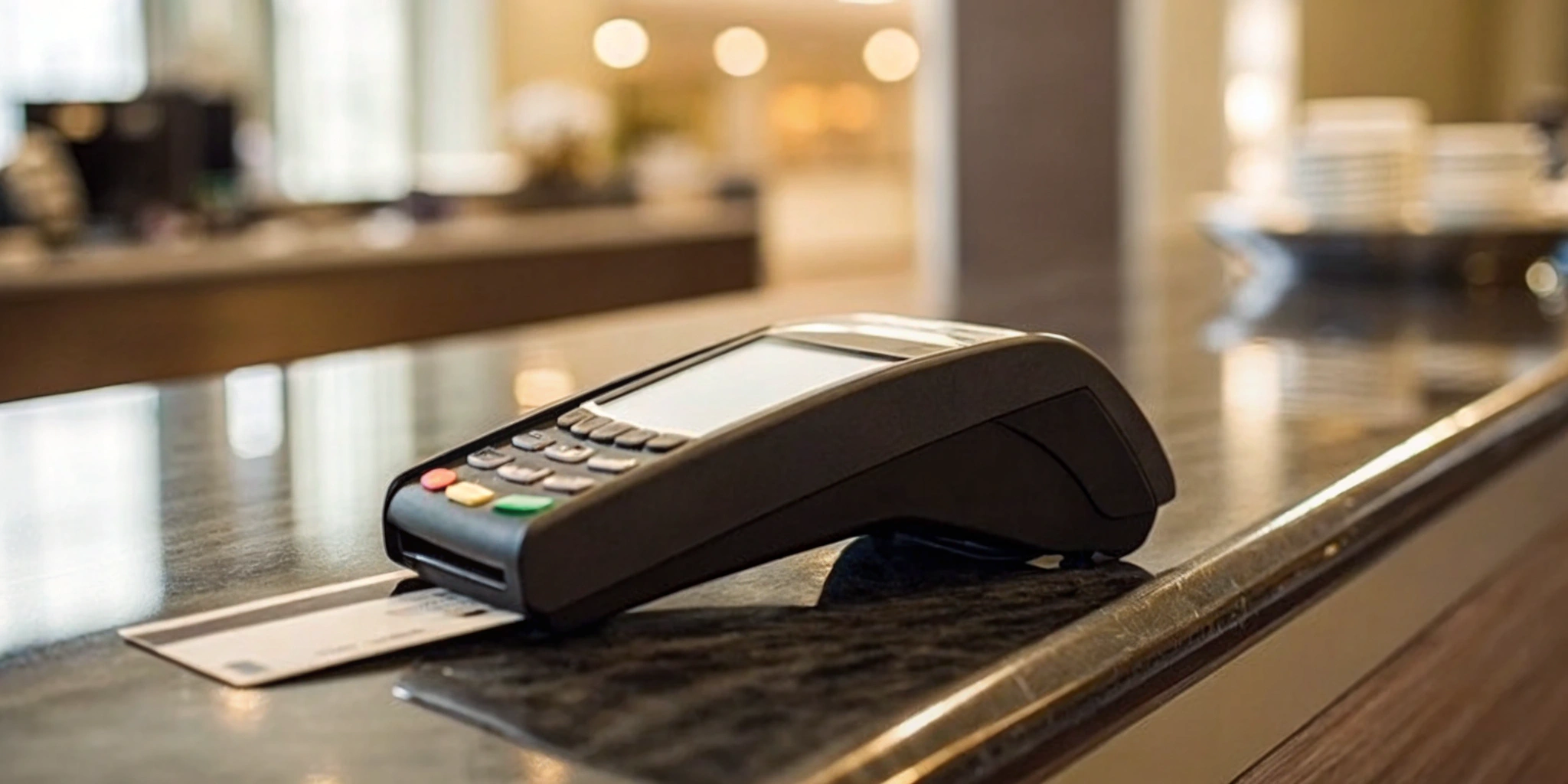
You’ve seen these a million times—they’re the sturdy, reliable machines sitting by the register at your favorite local shop. Classic countertop terminals are the go-to for businesses with a fixed physical location, like retail stores, salons, and auto repair shops. They connect directly to a phone line or internet connection for secure processing. These terminals are built to handle all standard payment types, including EMV chip cards, magnetic stripes, and tap-to-pay. They are a straightforward and dependable way to accept payments at a dedicated checkout spot.
Mobile and On-the-Go Card Readers
If your business is always on the move, a mobile card reader is your best friend. Perfect for food trucks, market vendors, plumbers, and consultants, these compact devices connect to your smartphone or tablet. They turn the device you already own into a powerful payment tool. Mobile readers are small enough to fit in your pocket but can still process chip cards and contactless payments. They use your phone’s cellular data or Wi-Fi, giving you the freedom to accept payments securely from absolutely anywhere your work takes you.
Tap-to-Pay and Contactless Systems
Contactless payment isn’t just a trend; it’s quickly becoming the standard. Customers love the speed and convenience of simply tapping their card, phone, or smartwatch to pay. This technology, known as NFC (Near Field Communication), is a must-have feature for any modern terminal. Offering a contactless payment option shows your customers you value their time and security. Whether you choose a countertop model or a mobile reader, make sure it’s equipped with NFC capabilities to provide a fast, smooth checkout experience that keeps your lines moving.
All-in-One POS Solutions
For businesses that need more than just a payment machine, an all-in-one Point of Sale (POS) system is the answer. Think of it as the command center for your entire operation. These systems combine robust hardware—like a touchscreen, cash drawer, and receipt printer—with powerful software to manage sales, track inventory, and run customer reports. Restaurants and busy retail stores often rely on POS systems to streamline their day-to-day tasks. While they represent a larger initial investment, they can save you significant time and provide valuable insights to help your business grow.
Key Features to Look For in a Modern Terminal
Not all credit card terminals are created equal. When you’re choosing a device for your business, you’re not just picking a piece of hardware—you’re investing in the speed, security, and reliability of your entire checkout process. The right terminal can make transactions seamless for your customers and simplify operations for your team. As technology evolves, customer expectations change with it. A modern terminal should do more than just accept a swipe; it needs to be equipped with the features that protect your business and keep your customers happy. Let’s break down the essential features you should look for.
Security and EMV Chip Readers
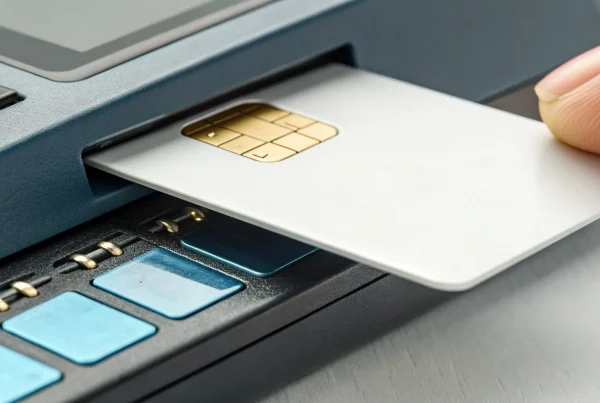
First and foremost, your terminal needs to be secure. The standard for secure in-person payments is EMV chip technology—that small, metallic square on the front of modern credit and debit cards. When a customer “dips” their chip card, the terminal and the chip create a unique, one-time code for that specific transaction. This process makes it incredibly difficult for fraudsters to counterfeit cards. Modern terminals use advanced encryption to protect sensitive card data from the moment it’s captured, significantly reducing your risk of a data breach and the costly chargebacks that can follow. This isn’t just a nice-to-have feature; it’s the baseline for secure payment acceptance.
Contactless and NFC Capabilities
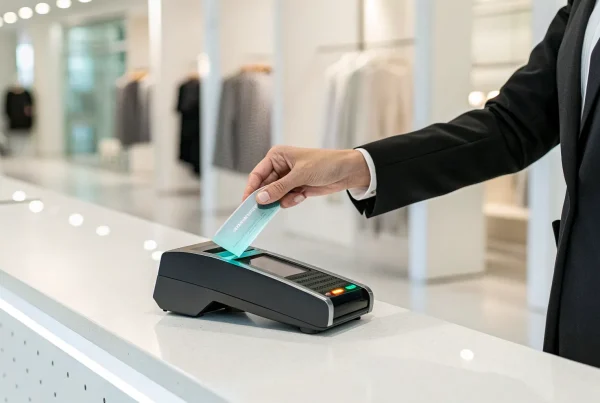
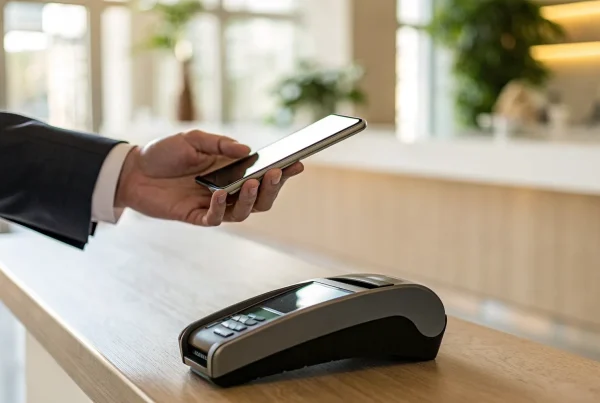
In a world of convenience, speed is king. Contactless payments, often called “tap-to-pay,” have become a customer expectation. This is made possible by Near Field Communication (NFC), a technology that allows a card or a mobile device (like a smartphone with Apple Pay or Google Pay) to communicate with the terminal just by being close to it. For your customers, it’s a fast, simple, and hygienic way to pay. For your business, it means shorter lines and a smoother checkout experience. A terminal without NFC capabilities is already behind the times, so make sure this is a core feature of any device you consider.
Fast, Reliable Processing
Nothing kills the momentum of a sale like a slow, lagging credit card terminal. The few seconds it takes to process a payment can feel like an eternity to a customer in a hurry. A modern terminal should process transactions almost instantly, keeping the checkout line moving and the customer experience positive. Reliability is just as crucial. Your terminal needs to be a workhorse that you can count on during your busiest hours. A system that frequently crashes or loses connection can lead to lost sales and immense frustration. Choosing the right terminal makes your payment process smoother and helps ensure you never miss out on a sale due to a technical hiccup.
Fraud Prevention and PCI Compliance
Protecting your customers’ data is your responsibility, and the payment industry has strict rules to enforce it. Any business that accepts card payments must adhere to the Payment Card Industry Data Security Standard (PCI DSS). These standards are designed to ensure that all companies that process, store, or transmit credit card information maintain a secure environment. Using a modern, PCI-compliant terminal from a reputable provider is a critical step in protecting your business from fraud, data breaches, and the steep penalties that come with non-compliance. Your payment processor should help you understand and meet these requirements, giving you peace of mind.
How to Start a Credit Card Processing Company
Starting a credit card processing company is a rewarding way to build a business with recurring income. The industry is built on relationships, and breaking in is achievable with a solid plan. It all starts with a few foundational steps, from getting the right credentials to finding your first clients.
Get Licensed and Compliant
First, you need to operate by the book. The world of payments is built on security, and your primary job is protecting customer data. This means becoming compliant with the Payment Card Industry Data Security Standard (PCI DSS), the global standard for securing card information. You’ll also need to check for any specific local or state laws. Getting these certifications in place isn’t just a requirement—it’s how you build trust with your clients from day one.
Find Your Tech and Banking Partners
You can’t process payments alone. You need key partnerships, starting with an acquiring bank to handle transaction processing. You’ll also need a technology partner for the infrastructure and software. Many new independent agents partner with a larger payment solutions provider that already has these relationships established. This allows you to focus on what you do best: building relationships with merchants who need your services.
Set Your Pricing Strategy
How you make money is a critical piece of your business plan. Most processors charge merchants a combination of fees, like a percentage of each sale or a fixed fee per transaction. Your goal is to create a structure that is both competitive and profitable. Research common models to see what makes sense for your target clients. A transparent and easy-to-understand pricing strategy will be one of your most powerful tools for winning over new merchants.
Create a Plan to Find Clients
Once you’re set up, it’s time to connect with merchants. The payment processing market is competitive, so you’ll need a plan to stand out. Start by defining your ideal client—are you focusing on local restaurants or online boutiques? Tailoring your message to a specific niche makes your marketing much more effective. From there, build your strategy through networking or direct outreach to clearly communicate your unique value and attract your first clients.
How to Choose the Right Terminal Provider
Picking a credit card terminal provider can feel like a huge decision, and it is—this is the partner you’re trusting to handle your hard-earned money. But it doesn’t have to be complicated. The key is to think beyond the terminal itself and evaluate the entire service package. You’re not just buying a piece of hardware; you’re investing in a system that will be a core part of your daily operations. The right provider will feel like an extension of your team, offering transparent pricing, solid security, and support you can count on when you need it most.
Before you start comparing options, take a moment to think about your specific business needs. A mobile food truck requires a different setup than a multi-location retail store. Do you need a simple reader for on-the-go payments, or a full-featured point-of-sale (POS) system that integrates with your inventory? Knowing what you need will help you cut through the noise and focus on the providers that are a true fit. From the fees you’ll pay on every transaction to the support you’ll receive when something goes wrong, every detail matters. We’ll walk through the most important factors to consider so you can make a choice with confidence.
Compare Transaction Fees and Overall Costs
One of the biggest headaches for business owners is dealing with high or unpredictable transaction fees. These costs can quietly eat away at your profits if you’re not careful. When you’re comparing providers, don’t just look at the advertised rate. Ask for a complete breakdown of all potential charges, including monthly statement fees, batch fees, and any hidden costs. A transparent partner will be upfront about their pricing structure. Look for solutions like cash discount or dual pricing programs, which can help you significantly reduce your processing expenses by passing the cost to customers who choose to pay with a card.
Prioritize Security and Data Protection
In a world of digital transactions, protecting your customers’ payment information is non-negotiable. A single data breach can damage your reputation and result in serious financial penalties. That’s why ensuring data security should be at the top of your checklist. Your terminal provider must be PCI compliant, which is the industry standard for protecting card data. Make sure their terminals are equipped with EMV chip readers and support security features like end-to-end encryption and tokenization. This technology protects sensitive information from the moment a card is used, keeping both you and your customers safe from fraud.
Check for Easy System Integration
Your payment terminal doesn’t operate in a vacuum. It needs to work smoothly with the other tools you use to run your business, like your accounting software, inventory management system, or e-commerce platform. A clunky setup that requires you to manually enter data between systems is a recipe for errors and wasted time. Before committing to a provider, ask about their integration capabilities. A provider that offers seamless system integration with popular software can streamline your operations, automate bookkeeping tasks, and give you a clearer picture of your business performance.
Look for Reliable Customer Support
When your payment terminal goes down, your business comes to a halt. In those stressful moments, you need to know that help is just a phone call away. Reliable customer support is one of the most critical, yet often overlooked, aspects of choosing a provider. Find out what a provider’s support hours are—are they available 24/7? Do they offer help through phone, email, and chat? Look up reviews and see what other business owners say about their support team’s responsiveness and expertise. A provider with a reputation for excellent customer support is an invaluable asset.
Accept All the Ways Your Customers Pay
Customer payment preferences are always changing. While credit and debit cards are still king, more and more people are using mobile wallets like Apple Pay and Google Pay, or contactless tap-to-pay cards. If you can’t accept a customer’s preferred payment method, you risk losing the sale. Make sure your terminal provider can equip you with modern hardware that accepts all major payment types, including EMV chip cards, magstripe, and NFC (contactless). Offering a variety of payment methods not only improves the customer experience but also positions your business as current and convenient.
Related Articles
- 5 Best Credit Card Terminals for Small Business
- The 5 Best Contactless Payment Terminals
- Wireless Credit Card Terminal: A Buyer’s Guide
- 6 Best Small Business Credit Card Machines
Frequently Asked Questions
What’s the real difference between a payment processor and my business bank account? Think of it this way: your bank is where your money lives, but the payment processor is the secure messenger that gets it there. When a customer pays, the processor manages the communication between their bank and yours to confirm the funds and approve the sale. After all the day’s transactions are complete, the processor bundles the money and facilitates the final deposit into your business bank account.
Is it really necessary for my business to accept contactless payments like Apple Pay? Absolutely. While it might seem like a small feature, accepting contactless payments is all about meeting customer expectations for speed and convenience. People are used to tapping their phone or card for a quick checkout, and not offering that option can make your payment process feel dated. It helps keep your lines moving and shows customers you value their time, which is always a good look.
What exactly is PCI compliance, and is it something I need to handle myself? PCI compliance is simply the set of security rules every business must follow to protect customers’ credit card information. While the responsibility is ultimately yours, a good payment provider makes it much easier. They provide you with terminals and software that are already compliant and guide you through any necessary steps, like completing an annual questionnaire. This partnership helps ensure you’re protecting your customers’ data without having to become a security expert yourself.
How do cash discount or dual pricing programs actually work to lower my fees? These programs are designed to offset your credit card processing fees by offering customers a choice. With a cash discount, you offer a small discount to customers who pay with cash. With dual pricing, you display both a card price and a slightly lower cash price. In either case, the program encourages cash payments and covers the processing cost for card transactions, which can dramatically reduce or even eliminate your monthly processing bill.
I’m interested in the industry. Is it better to become an agent or try to start my own processing company? For most people, partnering with an established provider as an independent agent is the most practical path. Starting a processing company from the ground up requires a massive financial investment and complex relationships with banks and tech partners. As an agent, you can leverage the infrastructure and support of a larger company, allowing you to focus entirely on building your client portfolio and earning residual income without the immense overhead.