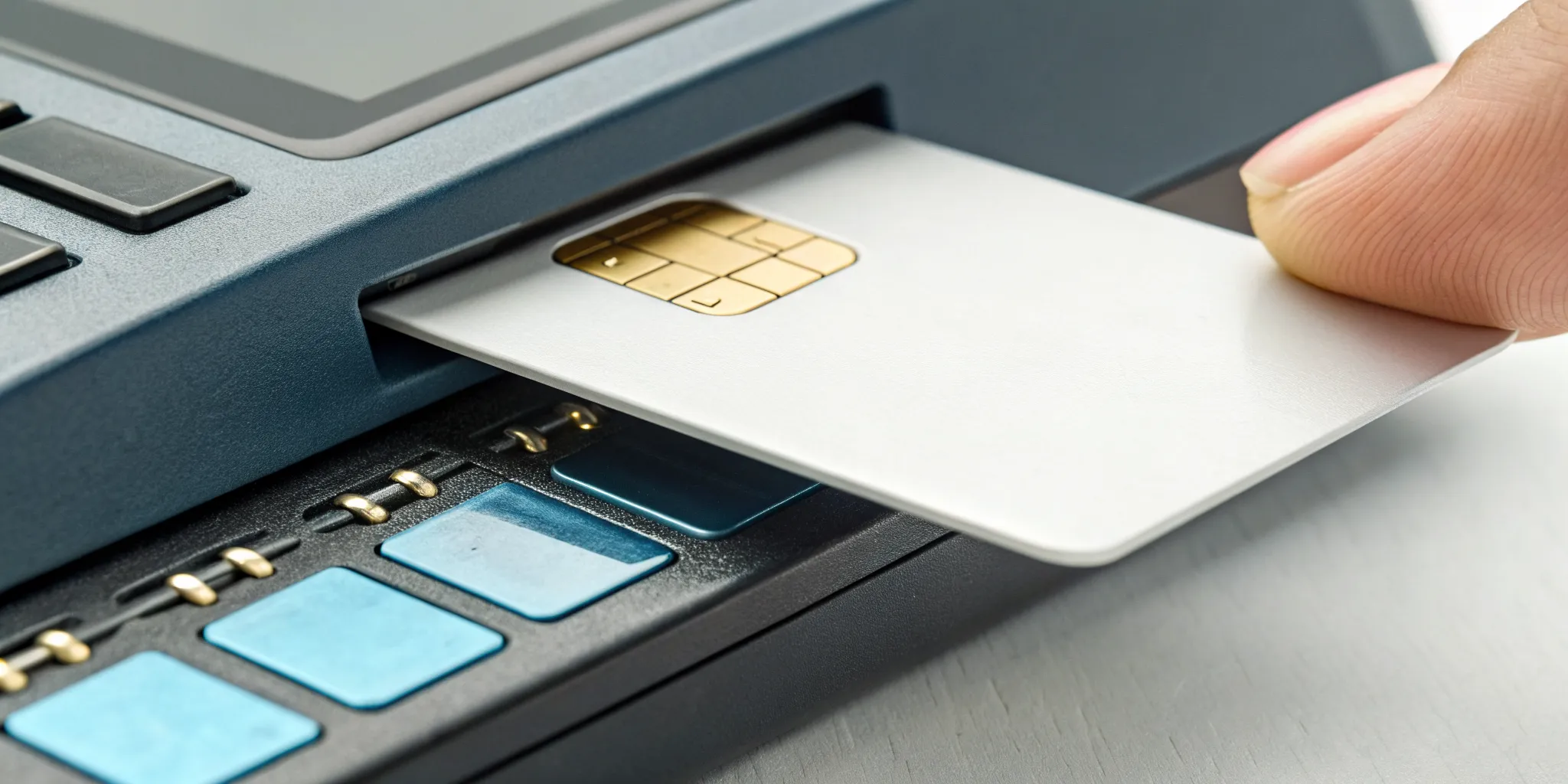
Let’s compare the old magnetic stripe to the new EMV chip. The stripe was like writing a password on a sticky note; it was static, unencrypted, and easy for anyone to copy with a simple skimming device. The EMV chip, however, is like a digital fortress. It’s an active microcomputer that creates a brand-new, secret code every time it’s used. This fundamental difference is what makes modern card payments so much safer for you and your customers. While the technology behind it sounds complex, the concept is straightforward. So, how does an EMV chip reader work to generate these one-time codes? We’ll demystify the process and explain how this smart technology makes counterfeit card fraud a thing of the past.
Key Takeaways
- EMV technology secures transactions with dynamic data: Each time a chip card is used, it creates a unique, one-time code for that specific sale, making the card information useless to fraudsters and nearly impossible to clone.
- Adopting EMV readers protects you from fraud liability: Under the liability shift rule, your business is financially responsible for counterfeit chip card fraud if you don’t use an EMV reader. Upgrading your equipment is essential for protecting your bottom line.
- Choose compatible hardware and train your team: For a successful switch, select an EMV reader that works with your POS system and supports contactless payments. Then, train your staff to guide customers through the new “dip” process to ensure a smooth checkout experience.
What Is an EMV Chip and Why Is It Better Than a Magnetic Stripe?
Let’s start with the basics. You’ve probably noticed that little metallic square on your credit and debit cards. That’s an EMV chip, and it’s a game-changer for payment security. EMV stands for Europay, Mastercard, and Visa, the three companies that originally developed the standard. Think of it as a tiny computer embedded in the plastic, designed to protect you and your customers from fraud.
For decades, we relied on the magnetic stripe on the back of cards. The problem? That stripe contains static, unencrypted data, making it incredibly easy for fraudsters to copy with a simple skimming device. Once they had that data, they could create counterfeit cards and go on a shopping spree. The EMV chip was created to solve this exact problem. Instead of holding static data, the chip creates a unique, one-time-use code for every single transaction. This dynamic data makes it nearly impossible for criminals to clone the card information. It’s the difference between leaving your front door key under the mat and having a lock that changes its combination every time you use it. This technology is the new global standard for a reason: it makes card-present transactions significantly safer for everyone involved.
From Swiping to Dipping: A Quick History
The move from swiping magnetic stripes to “dipping” chip cards wasn’t just a random update. It was a coordinated effort to fight rising credit card fraud. As skimming technology became cheaper and more widespread, the vulnerability of magnetic stripes became a massive liability for banks, merchants, and consumers. In response, major card brands like Visa and Mastercard began a major push for retailers and banks to adopt the more secure chip-based technology. This U.S. migration to EMV marked a fundamental shift in how payments are processed, moving the entire industry toward a safer, more dynamic standard and leaving the outdated swipe behind.
How Chip Cards Keep Transactions Secure
So, what’s the secret sauce? It all comes down to something called dynamic authentication. When a customer inserts a chip card into an EMV reader, the chip and the terminal communicate to create a unique, single-use transaction code. This process is often called tokenization. Unlike a magnetic stripe, which transmits the same sensitive card number over and over, the chip sends this one-time code to the payment processor. Because that code is encrypted and expires after the transaction is complete, it’s useless to any fraudster who might intercept it. This is the key security benefit: it makes creating counterfeit cards from stolen data incredibly difficult, effectively stopping one of the most common types of card-present fraud.
How Does an EMV Chip Reader Actually Work?
You see it happen dozens of times a day: a customer dips their card, waits a few seconds, and the sale is complete. But what’s really going on inside that little machine? Unlike old magnetic stripes that stored static data, making them easy to copy, EMV chips create a brand-new, one-time-use code for every single transaction. This process involves a quick but complex conversation between the card, the terminal, and the banks to verify the payment is legitimate. Think of it as a secure, digital handshake that protects both you and your customer from fraud.
This technology is the current standard for a reason; it makes it incredibly difficult for criminals to create counterfeit cards and steal sensitive information. For you as a business owner, using an EMV reader isn’t just about accepting modern payments. It’s about protecting your business from fraudulent chargebacks and building trust with your customers by showing you take their security seriously. Understanding how it works, even at a high level, can help you appreciate the protection it offers and explain its benefits to your team and customers.
A Step-by-Step Look at a Chip Transaction
When a customer is ready to pay, they “dip” their card by inserting it into your EMV reader. The chip on the card makes direct contact with the terminal, which powers it up and starts the process. The terminal then asks the customer to enter their PIN or provide a signature. This action, combined with the information on the chip, generates a unique transaction code. This code is like a secret password that’s only good for this one specific purchase. It can’t be reused, which is a major reason why EMV technology is so effective at preventing fraud from stolen card data.
How the System Verifies and Protects Card Data
Once the one-time code is created, the real security magic begins. The EMV chip uses sophisticated encryption to protect the card data as it travels from your terminal to the payment processor. This process uses something called cryptographic card authentication, which is a fancy way of saying the system runs a series of checks to confirm the card is authentic and not a clever fake. Because each transaction generates dynamic data that is unique to that specific sale, it’s nearly impossible for fraudsters to intercept the information and use it to create counterfeit cards. This is a huge upgrade from magnetic stripes, which passed the same vulnerable data with every swipe.
From “Insert Card” to “Approved”
After the card’s authenticity is verified, your terminal sends the encrypted transaction details through the payment network to the customer’s bank for approval. The bank checks if the customer has sufficient funds and confirms the unique transaction code is valid. If everything checks out, the bank sends an approval message back to your terminal. The screen flashes “Approved,” the sale is complete, and the funds are scheduled to be deposited into your business account. This entire back-and-forth communication happens in just a few seconds, providing a secure and seamless checkout experience for everyone involved.
What Makes an EMV Chip So Secure?
What makes an EMV chip so different from the old magnetic stripe? It all comes down to one word: dynamic. The data on a magnetic stripe is static, meaning it never changes. Think of it like a key that can be easily copied. Once a fraudster skims that data, they can create a clone of the card and use it freely. This vulnerability is why counterfeit fraud became such a major problem for business owners.
The EMV chip, however, is a tiny, powerful computer embedded in the card. It doesn’t just hand over your account information. Instead, it runs a program that creates a brand-new, unique set of data for every single transaction. This dynamic data acts like a secret handshake between the card, the terminal, and the bank, confirming that the real, physical card is present for the sale. Because this data changes every time, it becomes practically useless to anyone who might try to steal it. This fundamental shift from static to dynamic information is the core of EMV’s security. It’s why adopting EMV readers is one of the most important steps you can take to protect your business and your customers from in-person card fraud.
Creating a Unique Code for Every Sale
When a customer “dips” their chip card, something amazing happens behind the scenes. The chip doesn’t just transmit the card number. Instead, it communicates with your terminal to generate a one-time-use transaction code, also known as a cryptogram. Think of it like a single-use ticket for a concert. It gets you in the door once, but it’s invalid for any other show. This unique code is sent to the payment processor for approval. If a fraudster were to somehow capture this code, it would be completely useless for making another purchase. This process ensures that every transaction has its own distinct digital fingerprint, making each sale secure and verifiable.
How Encryption Stops Fraudsters
That unique transaction code isn’t just unique; it’s also heavily encrypted. Encryption is the process of scrambling data so that it can only be read by someone with the right key. When the chip creates the transaction code, it’s immediately encrypted before being sent through the payment network. This means that even if a criminal managed to intercept the data, it would just look like a random jumble of characters. They wouldn’t be able to see the card number or any other sensitive details. This method of securing data is often part of a process called tokenization, which is the same technology that protects mobile payments like Apple Pay and Google Pay.
Why Chip Cards Are Nearly Impossible to Clone
The biggest weakness of magnetic stripes was how easy they were to clone. All a criminal needed was a simple skimming device to copy the static data and create a counterfeit card. EMV chips were designed specifically to solve this problem. Because the chip is an active microcomputer, it can’t be passively copied like a magnetic stripe. The chip must be present and active to generate the unique, encrypted code for each transaction. This dynamic process provides proof to the card issuer that the genuine card was used at your terminal. This is why EMV technology has been so successful in reducing counterfeit card fraud at the point of sale.
What Are the Different Ways to Accept EMV Payments?
EMV technology provides the secure foundation for modern payments, but the way a customer authorizes a transaction can vary. Understanding these methods helps you choose the right equipment and create a smooth checkout experience. The three main ways to process an EMV payment are Chip and PIN, Chip and Signature, and contactless tap-to-pay, each with its own process and level of security.
Chip and PIN
This is one of the most secure ways to accept a card payment. When a customer pays, they “dip” or insert their card into your EMV card reader. The terminal then prompts them to enter their four-digit Personal Identification Number (PIN). This combination of the physical chip and a secret PIN creates a unique, secure code just for that single transaction. It’s a powerful two-factor verification method that confirms the cardholder is who they say they are, significantly reducing the risk of fraud if a card is lost or stolen.
Chip and Signature
You might remember this method being more common a few years ago. With Chip and Signature, the customer still inserts their card into the reader, but instead of entering a PIN, they sign a receipt on the screen or on paper. While the chip still provides strong encryption for the transaction data, this method is becoming less popular. Why? A signature is easier to forge than a PIN is to guess, making it a less secure way to verify the cardholder’s identity. Most payment processors and businesses now prefer the added security that comes with using a PIN.
Tap-to-Pay: Contactless and NFC
Contactless payments are all about speed and convenience. Many modern EMV cards, smartphones, and smartwatches contain a tiny antenna with Near-Field Communication (NFC) technology. This allows customers to simply tap their card or device near a compatible reader to pay. The transaction is just as secure as inserting the chip because it still generates a one-time code. This tap-to-pay method is perfect for businesses with long lines, like coffee shops or food trucks, as it keeps the checkout process moving quickly while protecting customer data.
What Should You Consider Before Getting EMV Readers?
Making the switch to EMV chip readers is one of the smartest moves you can make to protect your business. While it might seem like just another piece of hardware, it’s a crucial tool for preventing fraud and building customer trust. Before you jump in, there are a few key things to think about to make sure the transition is smooth for you, your team, and your customers.
Thinking through these points ahead of time will help you choose the right equipment and roll it out without a hitch. We’ll walk through the most important considerations: understanding the costs and the liability shift, making sure the new readers work with your current setup, and getting your staff and customers ready for the change. It’s all about being prepared so you can start accepting chip cards with confidence.
Understanding the Costs and the Liability Shift
The single biggest reason to adopt EMV technology is something called the “liability shift.” In simple terms, if a customer pays with a fraudulent chip card and you don’t have an EMV reader to process it correctly, your business could be held responsible for the loss, not the card-issuing bank. This rule has been in place for years, but it’s still the most compelling reason to upgrade. The cost of a new reader is a small investment compared to the potential cost of a single fraudulent transaction. Think of it as insurance for your sales. Protecting your business from that financial risk is a top priority, and an EMV reader is your first line of defense.
Checking for POS System Compatibility
Before you buy a new EMV reader, you need to make sure it can communicate with your existing point-of-sale (POS) system. Not all readers work with all systems, so a quick compatibility check is essential. The best first step is to talk to your payment processor. They can tell you which EMV readers are certified to work with your software and hardware. If you’re using an older cash register or POS system, this might be the perfect time to explore a more modern, integrated POS system that comes with EMV and contactless payment capabilities built right in. This ensures all your components work together seamlessly from day one.
Preparing Your Staff and Customers for the Change
New technology is only effective if people know how to use it. Take some time to train your employees on the new workflow. Show them how to guide customers to “dip the chip” instead of swiping the stripe. Since chip transactions can take a few seconds longer than swipes, it’s also helpful to prepare your customers. A small sign at the checkout counter that says “We now accept chip cards! Please insert your card below” can make a big difference. This simple step manages expectations, keeps the line moving, and shows your customers that you’re serious about protecting their payment information. A little preparation goes a long way in creating a smooth checkout experience for everyone.
How Do You Choose the Right EMV Reader for Your Business?
Picking the right hardware for your business can feel like one more thing on an already long to-do list. But choosing the right EMV reader isn’t just about accepting a new type of card; it’s about protecting your business, speeding up your checkout line, and showing customers you take their security seriously. When you’re ready to upgrade, you’re not just buying a piece of equipment. You’re investing in a smoother, safer way to get paid.
The good news is that you don’t have to be a tech expert to make a great choice. By focusing on a few key areas, you can find a reader that fits your business perfectly. We’ll walk through the essential features you need, why speed and reliability are non-negotiable, and how the right device keeps your business compliant and ready for the future. Think of this as your simple guide to finding the perfect match for your checkout counter.
Key Features to Look For
When you start comparing EMV readers, it’s easy to get lost in the technical specs. Let’s cut through the noise and focus on what really matters. First and foremost, ensure the device is truly EMV-compliant and can accept chip cards by having customers “dip” their card. But don’t stop there. You’ll also want a reader that handles contactless payments. The ability to accept “tap to pay” from cards and mobile wallets like Apple Pay is quickly becoming a customer expectation.
Finally, make sure the hardware plays well with your other systems. Your card reader, POS system, and payment processor all need to work together seamlessly. Choosing a payment partner that supports and integrates modern EMV technology is the best way to guarantee a smooth setup and reliable daily operations.
Why Speed and Reliability Matter
We’ve all been there: stuck in a checkout line while the card reader takes forever to process a payment. That delay can be frustrating for everyone involved. Because EMV payments require a constant connection between the chip and the reader during the transaction, some systems can feel slow. A fast, modern EMV reader minimizes that wait time, keeping your lines moving and your customers happy. A quick and painless checkout process is a small detail that leaves a big impression.
Reliability is just as important. A reader that frequently has errors or fails to read cards creates friction for both your staff and your customers. You need a dependable system that works every time, so you can focus on serving your customers instead of troubleshooting your equipment.
Staying Compliant and Ready for the Future
Upgrading to an EMV reader is one of the most important steps you can take to protect your business from fraud. Under the liability shift rules, if a fraudulent chip card is used at your business and you don’t use an EMV reader, you could be held responsible for the loss, not the bank. Using a compliant reader provides critical financial protection by shifting that liability away from you.
Beyond compliance, adopting modern payment technology builds trust. Customers notice when a business invests in security, and it can strengthen your credibility. As the payments industry continues to move away from the magnetic stripe, having an EMV and contactless reader ensures you’re not left behind. It prepares your business for the future and shows you’re committed to providing a secure, professional experience.
What Are Some Common Myths About EMV Technology?
When EMV technology first rolled out, it came with a lot of questions and a fair bit of confusion. It’s completely normal. Any time there’s a major shift in how we do business, especially with something as important as payments, myths and misunderstandings are bound to pop up. You might have heard conflicting stories from other business owners or read confusing articles online, leaving you unsure about what’s true and what’s just noise.
Let’s clear the air. Understanding the facts about EMV is crucial for protecting your business, your customers, and your bottom line. It’s not just about getting a new piece of hardware; it’s about understanding how that hardware changes your responsibilities and safeguards your transactions. We’ll walk through some of the most common myths, from what EMV can and can’t do for your security to how the liability rules actually work. We’ll also touch on some of the practical concerns business owners have about putting these systems into practice. Getting the right information helps you make smart, confident decisions for your business.
Myth vs. Fact: What EMV Can (and Can’t) Do
One of the biggest misconceptions is that simply using an EMV reader makes your business fully secure and compliant. While EMV is a huge step forward, accepting chip cards doesn’t automatically guarantee PCI DSS compliance. Compliance involves a much broader set of security standards for your entire payment environment.
Another common myth is that EMV doesn’t really stop fraud. The truth is, it’s extremely effective at preventing counterfeit card fraud, which is exactly what it was designed to do. Finally, many people think the U.S. uses the same “chip and PIN” system as Europe. In reality, the standard here is “chip and signature.” While PIN adds another layer of security, chip and signature is still a massive improvement over the old magnetic stripe.
Clearing Up Confusion About Liability Rules
This is where things get serious for business owners. You may have heard that you aren’t responsible for fraud if you don’t accept EMV cards, but the opposite is true. Since the liability shift was introduced, the financial responsibility for certain types of counterfeit fraud falls on the party with the less secure technology.
Here’s what that means for you: if a customer pays with a fraudulent chip card and you process it by swiping the magnetic stripe instead of using a chip reader, your business could be on the hook for the full amount of that fraudulent transaction. The card-issuing banks have done their part by providing chip cards, so the responsibility now rests with merchants to adopt the technology to accept them securely.
Answering Common Concerns About Implementation
Getting the new hardware is only half the battle. A frequent concern is that businesses won’t use the technology correctly, and it happens more than you’d think. Some merchants install EMV-capable terminals but never actually activate the chip reader, which makes the investment useless. It’s essential to ensure your system is fully set up and that your staff knows to prompt customers to “dip the chip.”
There’s also the customer side of the equation. When chip cards first arrived, many people weren’t sure what to do with them. While most customers are used to it now, a little guidance can go a long way. Training your team to quickly and politely explain the process can prevent confusion at the checkout counter and keep your lines moving smoothly.
How Can You Make the Switch to EMV Readers a Success?
Making the move to EMV chip readers is one of the smartest decisions you can make for your business. It’s not just about getting new hardware; it’s about protecting your revenue, building trust with your customers, and keeping your payment process modern and secure. While any technology change can seem daunting, breaking it down into simple, manageable steps makes the entire process feel straightforward. A successful transition hinges on three key things: having a clear plan, preparing your team and customers, and committing to ongoing maintenance.
Think of it as a simple upgrade that pays for itself in peace of mind. By embracing EMV technology, you shield your business from the financial risks associated with the liability shift, where you could be held responsible for fraudulent transactions if you aren’t using a chip reader. Plus, you’re meeting the expectations of today’s customers, who are used to the speed and security of dipping or tapping their cards. With a little preparation, you can ensure the switch is seamless for everyone involved, from your newest cashier to your most loyal customer. Let’s walk through exactly how to make that happen.
Your Implementation Checklist
Getting started is all about having the right tools in place. First, ensure your card readers can accept EMV chip payments, which means customers can insert their cards. It’s also a great idea to choose terminals that handle contactless “tap to pay” options like Apple Pay and Google Pay, as this is quickly becoming a customer favorite. Before you buy any new equipment, double-check that it’s compatible with your current point-of-sale (POS) system. A quick call to your payment solutions provider can save you a lot of headaches by confirming that everything will work together smoothly from day one.
How to Train Your Team and Educate Customers
A smooth transition depends on your team feeling confident with the new process. Start by explaining why you’re making the switch, focusing on how EMV technology protects both the business and the customer from fraud. Train your staff to guide customers to “dip the chip” instead of swiping. The process itself is simple: customers insert their card chip-first, follow the on-screen prompts, and then enter a PIN or sign if needed. To help customers adjust, place a small, friendly sign at your checkout counter. A simple message like, “We now accept chip cards! Please insert your card to begin,” is all you need to prevent confusion and keep the lines moving.
Keeping Your System Updated and Running Smoothly
Once your EMV readers are up and running, the final step is to keep them that way. Regularly updating your software is critical. These updates often contain important security patches that protect your system from new threats. Remember, if a fraudulent chip card transaction happens and you didn’t use an EMV reader to process it, your business could be held responsible for the loss. This is the “liability shift” in action. By keeping your hardware and software current, you ensure your payment processing remains secure and compliant, protecting your hard-earned money and giving you one less thing to worry about.
Related Articles
- How to Buy a Credit Card Terminal with Chip Reader
- EMV Compliant Card Reader Cost: A Full Breakdown
- The 6 Best EMV Readers for Your Business
Frequently Asked Questions
Why is it so important for my business to use an EMV reader? The most important reason comes down to financial protection. Because of a rule called the “liability shift,” if a customer uses a fraudulent chip card at your business and you process it by swiping the magnetic stripe, you (not the bank) could be responsible for the full cost of that transaction. Using an EMV reader for every chip card sale is the best way to protect your business from those losses.
Are chip card transactions really more secure than swiping? Yes, they are significantly more secure. A magnetic stripe contains unchanging data, which is easy for criminals to copy with a skimming device. An EMV chip, however, creates a brand-new, one-time-use code for every single sale. Because that code is unique and expires after the transaction, it’s practically useless to anyone who might steal it, which stops counterfeit card fraud in its tracks.
Is tapping a card or phone just as safe as inserting the chip? Absolutely. Contactless payments, or “tap-to-pay,” use the same core security technology as inserting a chip card. Both methods generate a unique, encrypted transaction code that protects the card information. Tapping is simply a faster and more convenient way to complete that same secure process, making it a great option for keeping your checkout line moving.
What happens if a customer’s chip is damaged? Can I still swipe their card? You can, but it’s important to understand the risk. If you swipe a card that has a chip (even a damaged one), you are accepting financial liability if that transaction turns out to be fraudulent. The payment networks expect you to process a chip card using the chip. Swiping should only be a last resort, and you should be aware that it leaves your business unprotected for that specific sale.
How do I know which EMV reader is right for my business? The best first step is to talk with your payment processor. They can tell you which readers are compatible with your current point-of-sale (POS) system, which saves a lot of headaches. Look for a device that not only accepts inserted chip cards but also handles contactless payments. This ensures you can securely accept payments from customers whether they want to dip their card or tap their phone.