What if your payment terminal could do more than just process sales? What if it could also give you the insights needed to make smarter business decisions? That’s the power of today’s cashless transaction machine. These devices are powerful tools that not only make checkout faster but also provide a wealth of data on your sales trends, inventory levels, and customer behavior. By understanding what’s selling and when, you can optimize your offerings and grow your bottom line. Let’s explore how going cashless can transform your payment system from a simple necessity into a strategic asset for your business.
Key Takeaways
- Going cashless drives sales and efficiency: By accepting a wider range of payments, you make it easier for customers to spend more, while also simplifying your own operations by cutting down on cash-handling tasks and manual record-keeping.
- Meet customer expectations with secure, flexible payments: Modern consumers expect to pay with cards, mobile wallets, and tap-to-pay. Offering these options creates a smooth checkout experience, and built-in security features like encryption and EMV chips protect both you and your customers.
- Choose a partner, not just a processor: Look beyond the initial hardware cost when selecting a provider. Evaluate their transaction fees, security protocols, and integration support to find a solution that truly fits your business needs and can grow with you.
What Is a Cashless Transaction Machine?
A cashless transaction machine is any device that lets your business accept electronic payments instead of physical cash. You’re probably already familiar with them: the countertop credit card terminal at your favorite coffee shop, the mobile card reader a vendor uses at a farmers market, or even a self-service kiosk at a movie theater. These machines are designed to make it fast and simple for customers to pay using their preferred method, whether that’s a credit card, debit card, or a mobile wallet like Apple Pay or Google Pay.
For you as a business owner, these devices are about much more than just convenience. They are powerful tools that can streamline your entire sales process. Going cashless reduces the risks and hassles that come with handling physical money, like counting drawers, making frequent bank runs, or worrying about theft. It also helps you meet the expectations of modern consumers who increasingly prefer not to carry cash. By adopting this technology, you not only open your business to more potential sales but also gain access to valuable data on your sales trends, helping you make smarter decisions. It’s a secure and efficient way to manage transactions, freeing you up to focus on what you do best: running your business.
How Does the Technology Work?
So, what happens when a customer taps their card or phone? Inside every cashless machine is a smart component that connects to the internet, usually through Wi-Fi or a cellular network. When a payment is made, this device securely sends the transaction information to the payment processor. The processor then communicates with the customer’s bank to verify they have enough funds. This entire check happens in just a few seconds. To keep everything safe, the technology uses strong data encryption, which scrambles the card information so it can’t be intercepted by fraudsters. It’s a quick, automated, and highly secure process.
Common Types of Cashless Machines
Cashless machines come in all shapes and sizes to fit different business needs. The most familiar is the countertop credit card terminal you see in retail shops and restaurants. For businesses on the move, like food trucks or market vendors, there are mobile card readers that connect to a smartphone or tablet. There are also unattended options, like the card readers on vending machines or parking meters. Modern payment terminals often do more than just process sales; they support contactless payments, send digital receipts, and accept mobile wallets, making the checkout experience smooth for everyone.
What Payments Can You Accept?
One of the best things about upgrading to a cashless machine is the flexibility it offers your customers. Gone are the days of digging for exact change. Modern payment terminals are designed to handle a wide variety of payment types, making it easy for people to buy from you, no matter what’s in their wallet (or on their phone). By accepting the methods your customers already use and trust, you create a smoother, faster checkout experience that keeps them coming back. Let’s walk through the most common payment options you can offer.
Credit and Debit Cards
This is the foundation of any cashless setup. Your machine will be equipped with a card reader that allows customers to pay with their Visa, Mastercard, American Express, or Discover cards. These readers can handle all the standard ways people pay with plastic: inserting a chip card, swiping a magnetic stripe, or tapping a contactless card. Offering card payments is non-negotiable for most businesses, as it’s the most common alternative to cash. Equipping your machines with a reliable vending machine credit card reader ensures you never miss a sale because a customer is out of cash.
Mobile Wallets
More and more customers are leaving their physical wallets at home and relying on their smartphones to pay. Mobile wallets like Apple Pay, Google Pay, and Samsung Pay store a customer’s card information securely on their device. To pay, they simply hold their phone or smartwatch near the reader. This method is incredibly fast, convenient, and secure, since the actual card numbers are never shared with the merchant. Accepting mobile payments shows your customers that you’re keeping up with technology and value their convenience and security.
Contactless “Tap-to-Pay”
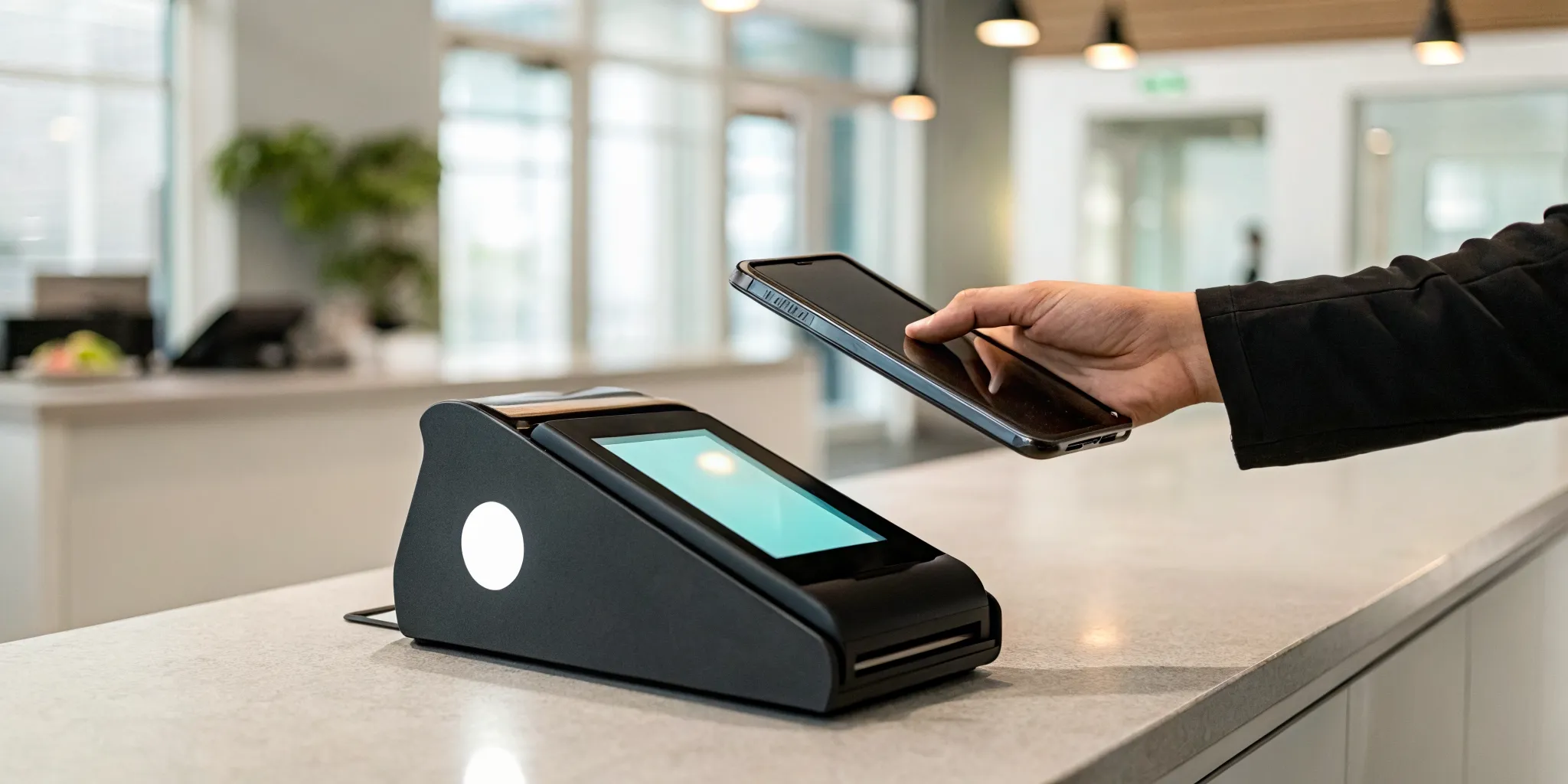
“Tap-to-pay” has quickly become a customer favorite. This technology, also known as NFC (Near Field Communication), allows for quick transactions from both contactless credit cards and mobile wallets. Instead of swiping or inserting, customers just tap their card or device on the reader to complete the purchase. It’s fast, clean, and simple. Behind the scenes, a secure device inside the machine instantly connects to the internet to verify the payment, making the process seamless. This speed is perfect for high-traffic environments where you want to keep lines moving and serve more people.
How Can Going Cashless Help Your Business?
Switching to a cashless transaction machine is more than just a modern upgrade; it’s a strategic move that can directly benefit your business. By accepting cards, mobile wallets, and other digital payments, you open the door to more sales, happier customers, and a much smoother workflow. Think of it as an investment that pays off in multiple ways. You can increase your revenue by making it easier for people to buy, improve your customer experience with quick and convenient payments, and even reduce your own operational headaches. Plus, these systems provide valuable data that helps you make smarter decisions to grow your business. Let’s break down exactly how going cashless can work for you.
Increase Revenue and Sales
One of the most compelling reasons to go cashless is the direct impact on your sales. When customers aren’t limited by the cash in their pockets, they tend to spend more. In fact, some businesses report a revenue increase of around 30% after adding a cashless card reader. This happens for a few reasons. First, you capture impulse buys from customers who don’t carry cash. Second, the average transaction size often goes up because shoppers can easily afford a more expensive item or add to their purchase without a second thought. By removing the friction of cash-only payments, you make it simple for customers to say “yes.”
Improve the Customer Experience
In a world of instant gratification, a fast and easy checkout process is essential. Customers expect convenience, and fumbling for exact change is anything but. Cashless machines allow people to pay in seconds by simply swiping, tapping, or dipping their card or phone. When it’s easy to buy, people are more likely to become repeat customers. Providing a seamless payment option shows that you value their time and makes their interaction with your business a positive one. This simple upgrade can be seen as a workplace perk for employees or a welcome convenience for the public, building loyalty with every tap.
Streamline Operations and Reduce Costs
Going cashless doesn’t just benefit your customers; it makes your life easier, too. Handling cash comes with hidden costs, from time spent counting money and making bank deposits to the risk of theft or human error. By automating payments, you can reduce operational costs significantly. Digital systems track every sale, so you always have an accurate record without manual reconciliation. Cashless machines also tend to be more reliable since they have fewer moving parts that can jam or break. Best of all, automated inventory tracking means you know exactly when to restock, preventing lost sales from an empty machine.
Get Actionable Insights from Data
Modern cashless machines do more than just process payments; they provide a wealth of data that can help you run your business more effectively. Many systems include telemetry, which sends you real-time information on sales, inventory levels, and even the machine’s operational health. This data helps you understand what’s selling well and what’s not, allowing you to optimize your product offerings. With these business insights, you can make informed decisions about restocking schedules, product placement, and pricing strategies, turning your payment system into a powerful tool for growth.
How Are Your Transactions Kept Secure?
Accepting cashless payments means you’re handling sensitive customer data, and keeping it safe is a top priority. Modern payment systems are built with multiple layers of security to protect both you and your customers from fraud. These protections work together to verify transactions, shield data, and give everyone peace of mind. Here are the key components that keep every transaction secure.
Encryption and Data Protection
Think of encryption as digital armor for your transaction data. The moment a customer pays, encryption scrambles their financial information into an unreadable code. This process ensures that even if data were intercepted as it travels to the payment processor, it would be useless to anyone without the key to decrypt it. Using strong encryption techniques is fundamental to securing every sale and building customer trust. This protection works behind the scenes for both in-person and online payments, safeguarding your business’s reputation.
EMV and PCI Compliance
The small microchips on modern credit and debit cards, known as EMV chips, are a huge leap forward in security. Unlike old magnetic stripes, EMV chips create a unique, one-time-use code for every transaction, making it incredibly difficult for fraudsters to create counterfeit cards. Beyond the hardware, industry-wide rules called the Payment Card Industry Data Security Standard (PCI DSS) set the requirements for handling cardholder data. Partnering with a provider that helps you implement secure payment processing systems is essential for meeting these standards and protecting your customers.
Fraud Prevention Tools
Great payment security is also proactive. Modern payment solutions include fraud prevention tools that actively monitor for suspicious activity. These systems can check for mismatches in billing and shipping addresses (AVS), require the card’s security code (CVV), and use analytics to flag unusual transactions. These tools work in real-time to stop fraudulent purchases before they are completed. Implementing robust fraud detection systems not only saves you from chargebacks but also reinforces customer confidence. When shoppers feel secure, they are more likely to become loyal customers.
What Does It Cost to Get Started?
Thinking about adding a cashless payment machine is a great step, and it’s natural to wonder about the investment. The costs can be broken down into two main categories: the initial setup for your equipment and the small, ongoing fees for each transaction. Viewing these as an investment in your business’s efficiency and customer satisfaction can help frame the decision. Let’s walk through what you can typically expect to budget for as you get started.
Equipment and Setup Fees
Your primary upfront cost will be the hardware itself. A reliable card reader generally costs between $200 and $600 per machine. Think of this as a one-time purchase that equips your business for years of transactions. Depending on your setup, you might also have a small installation fee, which usually runs from $50 to $100. This covers getting the machine physically in place and ready to go. Investing in the right credit card machine from the start ensures you have a durable and efficient tool to serve your customers without any hiccups.
Ongoing Processing Fees
Once your machine is running, the main ongoing cost is the processing fee. For every cashless transaction, a small percentage, typically between 3% and 5%, is charged by the payment processor. This fee covers the complex and secure process of moving money from your customer’s bank to yours. The exact rate can vary based on your provider and the type of plan you choose. It’s a good idea to ask potential providers about their fee structures. Some companies offer programs like cash discounts that can help you significantly reduce or even eliminate these processing fees, putting more money back into your business.
Installation and Training Needs
Getting your new system up and running is more straightforward than you might think. Most modern card readers are designed for a simple ‘plug-and-play’ installation, allowing you to connect them to your existing machines without needing special tools or technical skills. The most important step is making sure the credit card machine integrates smoothly with your point-of-sale (POS) system. This connection is key for keeping your sales records, inventory, and payment data all in one place. A good payment partner will provide clear instructions and support to make sure your POS integration is seamless from day one.
What Challenges Should You Expect?
Switching to a cashless system is a big step forward, but it’s smart to go in with your eyes open. Like any new business tool, there can be a learning curve. Being prepared for potential hurdles makes the transition smoother for you, your team, and your customers. Let’s walk through a few common challenges and how you can get ahead of them.
Technical Integration
Getting new technology to play nicely with your existing setup can sometimes feel like a puzzle. When you introduce a cashless machine, you want to ensure it integrates smoothly with your point-of-sale (POS) system and accounting software. A clunky integration can lead to a poor user experience, error-prone delays, or trouble tracking your transactions. The key is to work with a payment provider who offers clear guidance and reliable support. A good partner will help you avoid common digital payment challenges and make sure your new system is up and running without a hitch.
Encouraging Customer Adoption
While most customers are used to paying with cards or phones, some might still prefer cash. Moving to a cashless model isn’t just a technical switch; it’s a shift in how you interact with your community. The goal is to meet your customers where they are and make the change feel like an improvement, not an inconvenience. Clear signage explaining your new payment options and staff trained to guide customers through the process can make all the difference. Reassure them that their transactions are secure and that this change helps you serve them more efficiently. Most people will adapt quickly, especially when they see how fast and easy it is.
Handling Failed Payments
A declined card is frustrating for everyone involved. Failed payments can happen for many reasons, from insufficient funds to a technical glitch, and they can create a negative customer experience. Staying on top of this requires tracking your transaction success rate. By monitoring key payment processing metrics, you can spot patterns or recurring issues in your payment process. If you notice an unusual number of failed transactions, you can work with your provider to troubleshoot the problem before it affects more customers or your bottom line. This proactive approach helps keep your payment system reliable and your customers happy.
How to Choose the Right Solution
Picking the right cashless transaction machine isn’t just about finding the cheapest option. It’s about finding a partner that fits your business goals, supports your customers, and makes your life easier. A little homework upfront can save you a lot of headaches down the road. Think about your specific needs, what features are non-negotiable, and what kind of support you’ll want as you grow.
Key Metrics to Track
Once you start accepting cashless payments, you’ll have access to a ton of data. Instead of getting overwhelmed, focus on a few key numbers that tell you how well your system is working. By tracking metrics like transaction success rates, authorization rates, and chargeback ratios, you can spot any issues before they become big problems. Your transaction success rate, for example, shows you the percentage of payments that go through without any errors. A low rate could mean lost sales and frustrated customers, so it’s a critical number to watch. Keeping an eye on these figures helps you understand your payment health and make smarter decisions.
How to Evaluate Different Providers
When you’re comparing providers, look beyond the basic transaction processing. The best payment terminals offer features that improve the customer experience, like support for contactless payments, digital receipts, and mobile wallet compatibility. Security should also be at the top of your list. A trustworthy provider will always prioritize the security and encryption of your customers’ data. Don’t be afraid to ask potential providers detailed questions about their security protocols, customer support availability, and how their hardware integrates with any software you already use. Think of it as a long-term partnership, not just a one-time purchase.
Assess Your Business’s Needs
Every business is unique, and the right payment solution for a coffee shop might not work for a retail boutique. Before you decide, take a close look at your own operations. How many transactions do you process daily? Do your customers prefer to tap, swipe, or use their phones? Investing in flexible payment options can help you compete and grow, but it’s important to weigh the costs and choose a provider that understands your specific challenges. Consider where you want your business to be in a few years and choose a system that can scale with you.
Related Articles
Frequently Asked Questions
How quickly do I receive the funds from my sales? This is a great question, and the answer is much faster than you might think. Typically, funds from your credit card and mobile wallet sales are deposited directly into your business bank account within one to two business days. The exact timing depends on your payment provider, but the days of waiting a week for your money are long gone. A good provider will offer clear, consistent funding schedules so you always know when to expect your deposits.
What happens if my internet connection fails? Losing your internet connection doesn’t have to mean losing sales. Many modern cashless machines come with an offline mode or a cellular backup feature. In offline mode, the machine securely stores transaction information and then processes all the payments once your connection is restored. This ensures you can continue serving customers without interruption, which is especially helpful during a temporary outage or at a busy event with spotty Wi-Fi.
Will I alienate customers who prefer to pay with cash? This is a common concern, but most businesses find the transition to be very smooth. You don’t have to go completely cashless overnight. Many businesses choose to accept both cash and electronic payments, giving customers the choice. Over time, you’ll likely see more and more people opt for the convenience of tapping their card or phone. By clearly communicating your payment options, you can make everyone feel welcome while still gaining the benefits of faster, more secure transactions.
Is it difficult to get a new cashless machine set up? Not at all. Most modern terminals are designed to be incredibly user-friendly, often with a simple ‘plug-and-play’ setup. Your payment provider will typically send the machine pre-configured for your business. The main step is connecting it to your point-of-sale (POS) system, and a good partner will provide clear instructions and customer support to walk you through it, ensuring all your sales data syncs up perfectly from the very first transaction.
Are the processing fees really worth it compared to just taking cash? It’s helpful to think of processing fees as an investment that generates a return. While cash seems free, it has hidden costs like time spent on bank runs, the risk of theft, and potential for human error. More importantly, by not accepting cards, you risk losing sales from customers who don’t carry cash. Studies often show that people spend more when using a card, so the small fee per transaction is often easily offset by higher sales volume and larger average purchases.