You just had a record sales day at a local festival or a busy Saturday at your shop. The feeling is great, but it’s followed by a familiar question: when will that money actually be usable? For many business owners, the standard two-to-three-day hold on funds is a constant source of friction, making it difficult to manage daily expenses. This is precisely the problem a wireless credit card terminal with next day funding is built to solve. It gives you the technology to make sales on the spot and the peace of mind that comes with knowing your funds will be in your account the next morning, ready to be put back to work.
Key Takeaways
- Improve your cash flow with the right tools: A wireless terminal gives you the freedom to make sales anywhere, and pairing it with next-day funding ensures you have quick access to your money for daily operational needs.
- Meet modern customer expectations securely: Your terminal should accept all payment methods, including chip cards and contactless options like Apple Pay. Prioritizing PCI compliance and end-to-end encryption is non-negotiable for protecting customer data and your business.
- Analyze the full cost and partnership: The price of the terminal is just one piece of the puzzle; scrutinize transaction fees, contract terms, and any extra charges for services like faster funding, and choose a provider with transparent pricing and reliable support.
What Is a Wireless Terminal with Next-Day Funding?
If you run a business that operates on the go, like a food truck, a mobile service, or a vendor at a local market, you need a way to accept payments anywhere. At the same time, waiting several days for your hard-earned money to hit your bank account can put a serious strain on your cash flow. This is where a wireless terminal with next-day funding comes in. It’s a powerful combination of two essential features for any modern business: payment flexibility and fast access to your funds.
A wireless terminal gives you the freedom to process credit and debit card payments without being tied to a physical phone line or internet cable. Next-day funding ensures the money from those sales is deposited into your account the following business day. Together, they create a seamless payment solution that keeps your business moving and your finances healthy. This means you can pay suppliers, manage payroll, and invest back into your business without the typical delay associated with standard credit card processing. It’s about making your payment system work for you, not against you.
How Do Wireless Terminals Work?
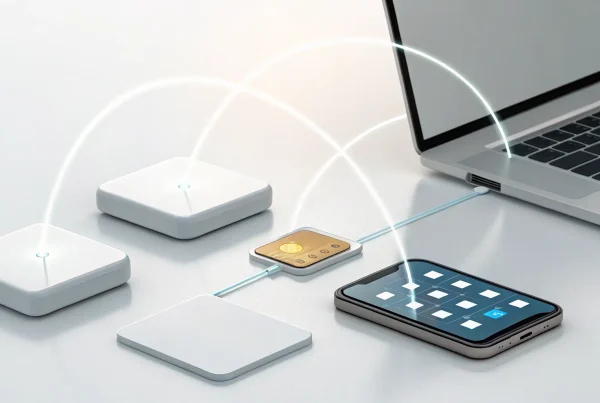
A wireless credit card terminal is a portable payment device that functions much like its traditional countertop counterpart, but with one key difference: it connects to a payment processor through a Wi-Fi or cellular network. When a customer pays, the terminal securely captures their card data, sends it for authorization, and receives an approval or decline message in seconds.
Because these transactions happen over the air, these devices must use secure wireless transmission and strong authentication to protect sensitive information. This technology allows you to take payments from anywhere, whether you’re at a trade show, a client’s home, or just moving around your own shop floor.
Why Next-Day Funding Matters for Cash Flow
Next-day funding is a game-changer for managing your business’s finances. With standard processing, it can take two to three business days for funds from your credit card sales to appear in your bank account. Next-day funding cuts that wait time down significantly. As long as you settle your daily batch of transactions before the processor’s cutoff time (which is often late in the evening), you’ll receive your funds the very next business day.
This faster access to cash is crucial for maintaining healthy operations. It improves liquidity, making it easier to cover immediate expenses like inventory, rent, and payroll without stress. For a small business, having predictable and quick access to revenue is fundamental for stability and growth.
Finding the Right Wireless Terminal for Your Business
Choosing the right hardware is a big step in setting up your payment processing. You need a terminal that not only fits your budget but also matches how you do business every day. Whether you run a busy restaurant, a retail shop, or take your services on the road, the right wireless terminal can make your checkout process smoother for you and your customers. Let’s walk through what to consider so you can find the perfect fit.
MBNCard’s Wireless Solutions
At MBNCard, we focus on providing wireless terminals that give you the freedom to accept payments wherever your customers are. Our solutions are designed for reliability and speed, making in-person checkout simple and accessible. Imagine a server taking payments right at the table or a contractor closing a deal on-site. That’s the kind of flexibility a wireless terminal offers. We help you get set up with a device that works for your specific needs, so you can focus on running your business, not on being tied to a counter.
Countertop vs. Mobile: Which Do You Need?
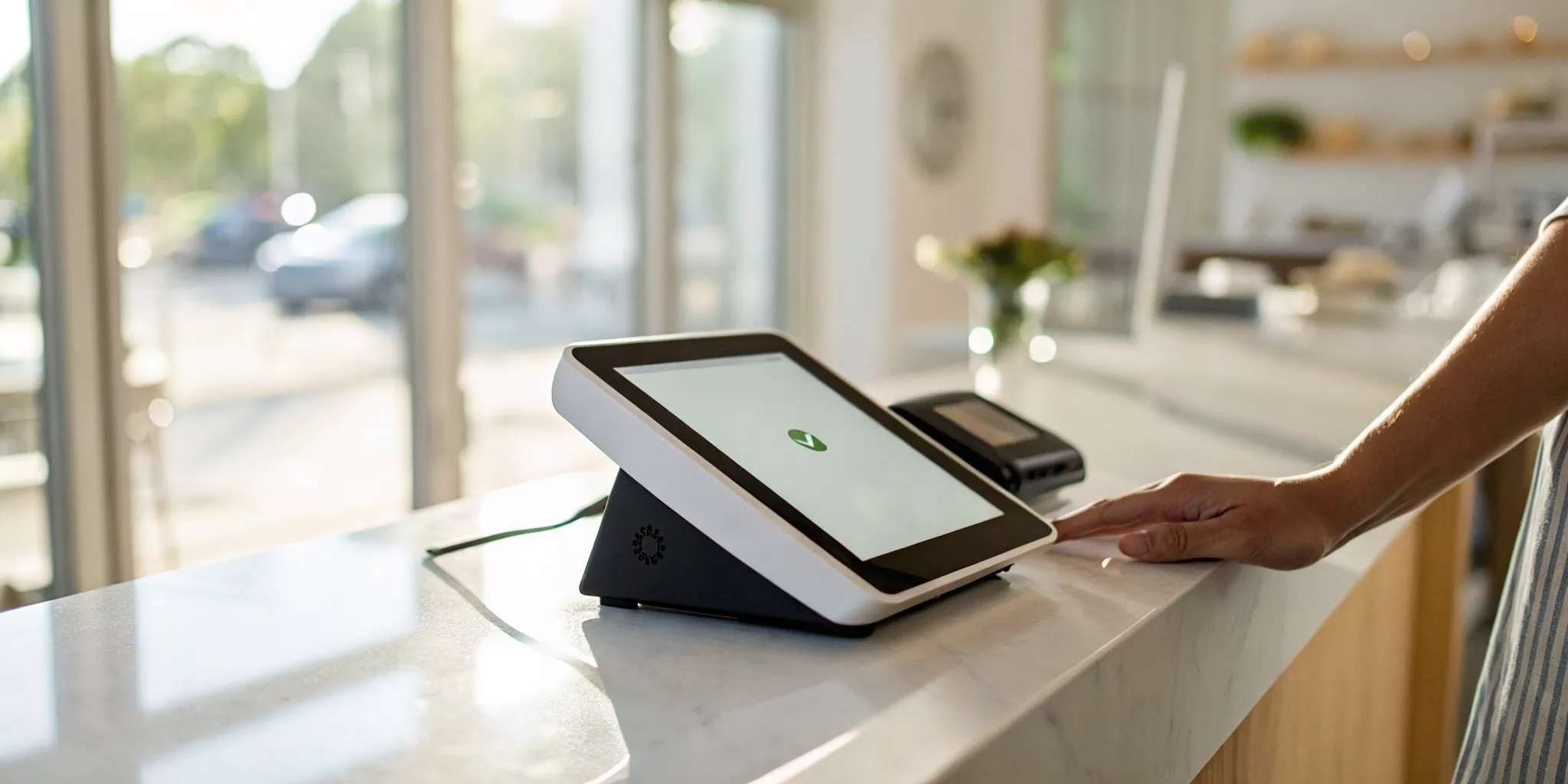
Wireless terminals generally fall into two categories: countertop and mobile. A wireless countertop model is great for a traditional retail or restaurant setting. It stays in one primary location but uses Wi-Fi instead of a phone line, giving you a cleaner setup and more placement options. A truly mobile terminal, on the other hand, is a handheld device that connects through Wi-Fi, 4G, or Bluetooth. This is the perfect choice for businesses on the go, like food trucks, market vendors, or service providers who work in the field. Think about where you interact with customers most to decide which style is right for you.
Key Features in an All-in-One Smart Terminal
Modern smart terminals do more than just swipe cards. When you’re comparing options, look for a device that can handle every type of payment, including EMV chip cards and contactless payments like Apple Pay. Most importantly, your terminal must be secure. Ensure it uses end-to-end encryption and is compliant with the Payment Card Industry Data Security Standard (PCI DSS). This isn’t just a feature; it’s a requirement that protects your customers’ sensitive data and your business from fraud. These security measures are built-in, giving you peace of mind with every transaction.
Key Features to Look for in a Wireless Terminal
Choosing a wireless terminal isn’t just about finding a device that accepts credit cards. It’s about selecting a tool that fits seamlessly into your daily operations, meets customer expectations, and protects your business. The right terminal can speed up your checkout line, simplify your bookkeeping, and give you the freedom to make sales anywhere. As you compare your options, think beyond the basic transaction. Consider how you’ll use the device day-to-day. Will you be taking payments at a farmer’s market, on a client’s job site, or just away from the main counter during a busy rush? This flexibility is what makes wireless terminals so powerful for small and mid-sized businesses.
The best wireless terminals are designed for modern commerce. They’re fast, reliable, and flexible enough to handle whatever your business day throws at them. From accepting the latest payment methods to keeping sensitive data secure, the features you choose will have a direct impact on your efficiency and your customers’ trust. A clunky, slow, or insecure terminal can create friction at checkout and damage your reputation. On the other hand, a smart, all-in-one device shows you’re professional and invested in providing a great experience. Let’s walk through the essential features you should have on your checklist to make sure you find the perfect fit for your business.
Accept All Payment Types (Including Contactless)
Your customers expect to pay how they want, and your terminal should be ready for them. A modern wireless device needs to accept every major payment method. This includes traditional magnetic stripe swipes, secure EMV chip card dips, and contactless “tap-to-pay” options. Contactless payments, which use NFC technology, are especially important as more customers use mobile wallets like Apple Pay and Google Pay. Offering this flexibility not only makes for a faster, smoother checkout experience but also shows your customers that your business is current and convenient.
Check for Portability, Connectivity, and Battery Life
The whole point of a wireless terminal is freedom, so its physical design matters. Look for a device that is lightweight and durable enough to handle your work environment. A long-lasting battery is non-negotiable; you need a terminal that can power through a full day of sales without needing to be plugged in. Equally important is its connectivity. The best terminals offer multiple ways to connect, including Wi-Fi and 4G/LTE cellular service. This ensures you can process payments reliably, whether you’re inside your store or at an off-site event.
Prioritize Top-Notch Security and PCI Compliance
Protecting your customers’ payment information is one of your most important responsibilities. Your wireless terminal must be equipped with the latest security features to keep data safe. This starts with end-to-end encryption, which scrambles cardholder data from the moment a card is used until it reaches the payment processor. Additionally, ensure any terminal you consider is fully compliant with the Payment Card Industry Data Security Standard (PCI DSS). This set of security standards is the bedrock of payment processing and is essential for protecting your business from fraud and data breaches.
Review Integration and Printing Options
A great wireless terminal does more than just process payments; it works with the other tools you use to run your business. Check if the terminal can integrate with your existing Point of Sale (POS) system or accounting software. This connection can automate sales entries and save you hours of manual reconciliation. You should also consider your receipt needs. Many modern terminals come with a built-in printer for customers who want a physical copy. Others offer the ability to send digital receipts via email or text, giving you a more eco-friendly option and a simple way to collect customer contact information.
Breaking Down the Costs of a Wireless Terminal
When you’re choosing a wireless terminal, the price tag on the device is just the beginning. To really understand what you’ll be paying, you need to look at the complete picture. This includes the hardware itself, the fees for every transaction, and any extra costs for services like faster funding. Getting clear on these three areas will help you avoid surprises on your monthly statement and find a solution that truly fits your budget. Let’s walk through each piece so you know exactly what to look for.
Understand Your Equipment and Leasing Costs
First up is the hardware. You can either buy your wireless terminal outright or lease it. Buying means a one-time upfront cost. For example, some popular terminals like the Chase Wireless Terminal can cost around $499. While that might seem like a big initial investment, you own the equipment and won’t have a recurring hardware payment. Leasing, on the other hand, spreads the cost out with a smaller monthly fee. This can be easier on your initial cash flow, but you’ll likely pay more in the long run and could be locked into a lengthy contract. Always ask your provider to clarify if you’re buying or leasing the equipment.
Decode Your Transaction Fees and Processing Rates
This is where the majority of your ongoing costs will come from. For every sale you make, your processor will charge a transaction fee. This is typically a percentage of the sale plus a small flat fee. For instance, a common rate structure might be 2.6% + 10 cents for every tapped, dipped, or swiped payment. However, the rate can be higher, say 3.5% + 10 cents, if you have to manually key in the card number. This is because card-not-present transactions are riskier. Make sure you get a full schedule of rates, as different card types (like corporate or rewards cards) can also have different fees.
Clarify Funding Fees and Contract Terms
Getting your money quickly is a huge plus, but it often comes at a price. While standard two-day funding is usually included in your base rate, faster options are considered premium services. Features like next-day funding can give your cash flow a serious lift, but they typically involve an additional monthly or per-batch fee. It’s important to weigh the convenience against the cost. Beyond funding, read the fine print in your contract for other potential costs, such as monthly minimums, PCI compliance fees, or early termination penalties. Knowing these details upfront helps you make a fully informed decision.
How to Get Started with Your New Wireless Terminal
You’ve picked out your terminal and you’re ready to start accepting payments anywhere. That’s a huge step forward. But before you unbox your new device and put it to work, a little planning will ensure everything runs smoothly from day one. A successful launch comes down to three key areas: getting the terminal set up correctly and your team trained, securing a reliable internet connection, and making sure your security is airtight. Let’s walk through how to handle each one so you can start processing transactions with confidence.
Plan for Technical Setup and Staff Training
Getting your new terminal up and running is usually straightforward, but don’t skip the initial setup. Before you process a real customer payment, take the time to fully charge the device, connect it to your network, and run a few test transactions. This helps you get familiar with the hardware and confirms everything is working correctly.
Even more important is training your team. Make sure every employee who will handle payments knows how to operate the terminal for all transaction types, including contactless tap, chip cards, and mobile wallets. They should also feel comfortable processing voids and refunds. A well-trained staff can handle customer interactions smoothly and troubleshoot minor issues without missing a beat, keeping your lines moving and customers happy.
Ensure Reliable Connectivity (and Have a Backup Plan)
Your wireless terminal needs a steady internet connection to do its job, typically through Wi-Fi or a cellular network like 4G or LTE. Before you rely on it, test the signal strength where you’ll be processing most of your payments. If you’re in a basement shop with weak Wi-Fi or at an outdoor event with spotty cell service, you could run into frustrating delays or dropped transactions.
That’s why a backup plan is essential. If your primary Wi-Fi goes down, can your terminal switch to a cellular network? Consider using a mobile hotspot as a secondary option. Some modern wireless credit card terminals even have an offline mode that securely stores transaction data and processes it once you’re back online.
Stay on Top of Security and Compliance
Protecting your customers’ payment information is one of your most important responsibilities. Your wireless terminal must be compliant with the Payment Card Industry Data Security Standard (PCI DSS), which is the gold standard for preventing credit card fraud. When you partner with a provider like MBNCard, you can be confident that your hardware meets these strict requirements from the start.
Beyond compliance, your device should use end-to-end encryption. This technology scrambles sensitive card data the moment it’s captured, making it unreadable to fraudsters as it travels through the network. Strong security measures like PCI DSS compliance not only protect your business from liability but also build trust with your customers, assuring them that their information is safe with you.
How to Choose the Right Payment Partner
Choosing a wireless terminal is about more than the device. You’re also choosing a long-term partner for your business. The right payment processor provides not only the technology you need but also the support and financial terms that help you grow. When comparing options, focus on three critical areas: the quality of the hardware, the reliability of their customer support, and the transparency of their funding speeds and fees.
Evaluate the Hardware and Software
Your payment terminal is the workhorse of your sales process, so it needs to be reliable and secure. A wireless credit card terminal is a portable device that processes payments over Wi-Fi or a cellular network, giving you freedom to take payments anywhere. But not all hardware is created equal. Ensure any device you consider is fully compliant with the Payment Card Industry Data Security Standard (PCI DSS) and uses end-to-end encryption to protect customer data. Your partner should offer modern, user-friendly terminals that handle every transaction smoothly.
Look for Reliable Customer Support
When your payment system goes down, every minute can mean lost revenue and frustrated customers. That’s why reliable support isn’t a luxury; it’s a necessity. Before you commit to a provider, find out what their customer service is like. Do they offer 24/7 support from real people? Can you easily find answers online through a help center? A great payment partner understands that their job is to keep your business running. They should be accessible and ready to help you solve any technical issues quickly so you can get back to what you do best: serving your customers.
Compare Funding Speeds and Fee Structures
Consistent cash flow is the lifeblood of any small business, which makes funding speed a critical factor. With next-day funding, you can settle your transactions before the daily cutoff time and see the money in your account the very next business day. However, be sure to ask the right questions. Some processors charge extra for this service or have strict volume requirements. Look for a partner who is transparent about their fee structures and funding timelines. You want clear, predictable pricing without hidden charges that eat into your profits.
Is a Wireless Terminal with Next-Day Funding Right for You?
Deciding on the right payment setup can feel like a huge decision, but it really comes down to what your business needs to thrive. A wireless terminal gives you the freedom to take payments anywhere, while next-day funding ensures your hard-earned money gets to your bank account quickly. This combination is a powerful tool for managing cash flow and serving customers on the go. But is it the perfect fit for you?
Before you make the switch, it’s smart to look at your specific operations. Think about where you make your sales, how quickly you need access to your funds, and what your budget looks like. For some businesses, like a food truck or a contractor who visits clients at home, a wireless terminal is a must-have. For others, like a retail shop with high daily sales, the speed of next-day funding can be a game-changer for ordering new inventory. Let’s walk through a few key questions to help you determine if this setup aligns with your business goals.
Consider Your Business Type and Sales Volume
First, think about your day-to-day operations. If you’re constantly on the move, a wireless terminal is practically essential. Businesses like mobile service providers, market vendors, and event-based retailers need the flexibility to accept payments outside of a traditional storefront.
Next-day funding is especially valuable for businesses with tight margins or high inventory turnover, such as restaurants and retail stores. When you can access your sales revenue the very next business day, you can pay suppliers, cover payroll, and handle unexpected expenses without delay. If your sales volume is consistent, you’ll quickly see how faster funding smooths out your cash flow management. This consistent access to capital helps you stay nimble and responsive.
Know the Funding Cutoff Times and Requirements
Next-day funding sounds simple, but there are a few details to keep in mind. The most important one is the daily cutoff time. To get your money the next business day, you need to close out your daily transactions, or “settle your batch,” before a specific time set by your processor. This is often around 10 p.m. EST. If you settle after the cutoff, your funds will likely arrive a day later.
There can also be specific banking requirements. Your payment processor needs to be set up to offer next-day funding, and sometimes this service works best with certain banks. The best approach is to have a direct conversation with your provider. Ask them plainly: “What is your cutoff time for next-day funding, and are there any special bank account requirements?” This ensures you know exactly what to expect.
Weigh the Pros and Cons for Your Business
The biggest advantage of next-day funding is clear: you get your money fast. Instead of waiting the standard two to three business days, your funds are available the very next morning. This immediate access to capital means you can reinvest in your business, purchase inventory, or cover operating costs without waiting. For many small business owners, this improved cash flow isn’t just a convenience; it’s a critical part of running a healthy business.
On the other hand, because next-day funding is a premium service, it can sometimes come with an additional fee. It’s important to weigh whether the benefit of faster funding is worth the potential extra cost. Ask your payment processor for a transparent breakdown of all fees associated with the service. From there, you can make an informed decision that balances speed with affordability for your business.
Related Articles
- Top 5 Contactless Credit Card Machines for Retail
- Wireless Credit Card Terminal: A Buyer’s Guide
- How Do Wireless Credit Card Terminals Work? Explained
Frequently Asked Questions
Is “next-day funding” really guaranteed to arrive the next day? For the most part, yes, but it depends on one key action: settling your batch of transactions before your processor’s daily cutoff time. This deadline is usually late in the evening, giving you plenty of time to close out your day. As long as you settle on time, you can count on seeing the funds in your account the following business day. It’s a reliable way to maintain consistent cash flow.
Are wireless terminals as secure as traditional countertop models? Absolutely. A terminal’s security isn’t determined by a physical cable but by the technology built into it. Modern wireless terminals use the same robust security measures as their wired counterparts, including end-to-end encryption and full PCI DSS compliance. This means customer card data is scrambled and protected from the moment of the transaction until it’s safely with the processor.
What happens if I lose my internet or cell connection during a sale? This is a common concern for mobile businesses, and it’s why many modern terminals come with an offline mode. If your connection drops, the terminal can securely store the transaction details and will automatically process the payment as soon as you’re back online. This feature acts as a safety net, ensuring you never have to turn away a customer due to spotty service.
Besides the transaction rate, what other costs should I expect? It’s smart to look at the complete picture. Beyond the per-transaction fee, your main costs will be for the hardware itself, which you might buy upfront or lease monthly. You should also ask about any monthly account fees, PCI compliance fees, or charges for premium services like next-day funding. A transparent partner will provide a full schedule of fees so there are no surprises.
Why should I get a dedicated wireless terminal instead of just using a card reader with my phone? While phone-based readers are great for very small-scale operations, a dedicated terminal offers a more professional and reliable experience. These devices are built for business, with longer battery life, more durable construction, and often a built-in printer for receipts. It also frees up your phone for calls and other tasks, creating a smoother checkout process for you and your customer.