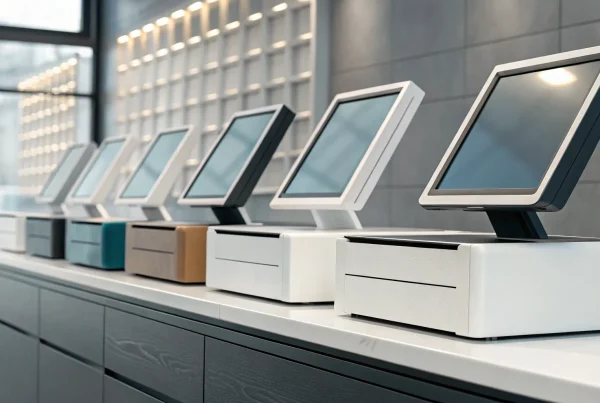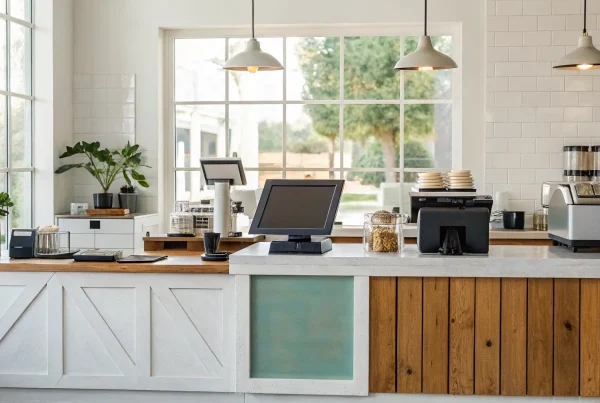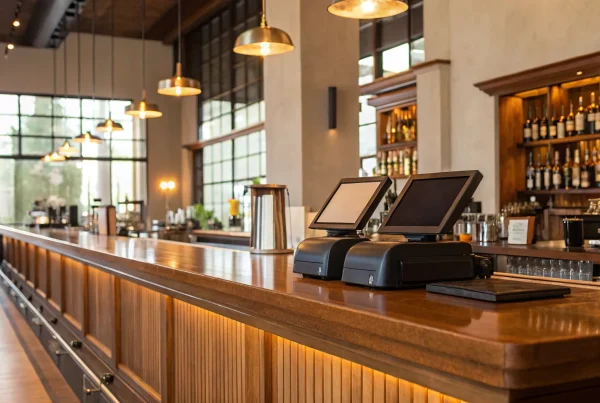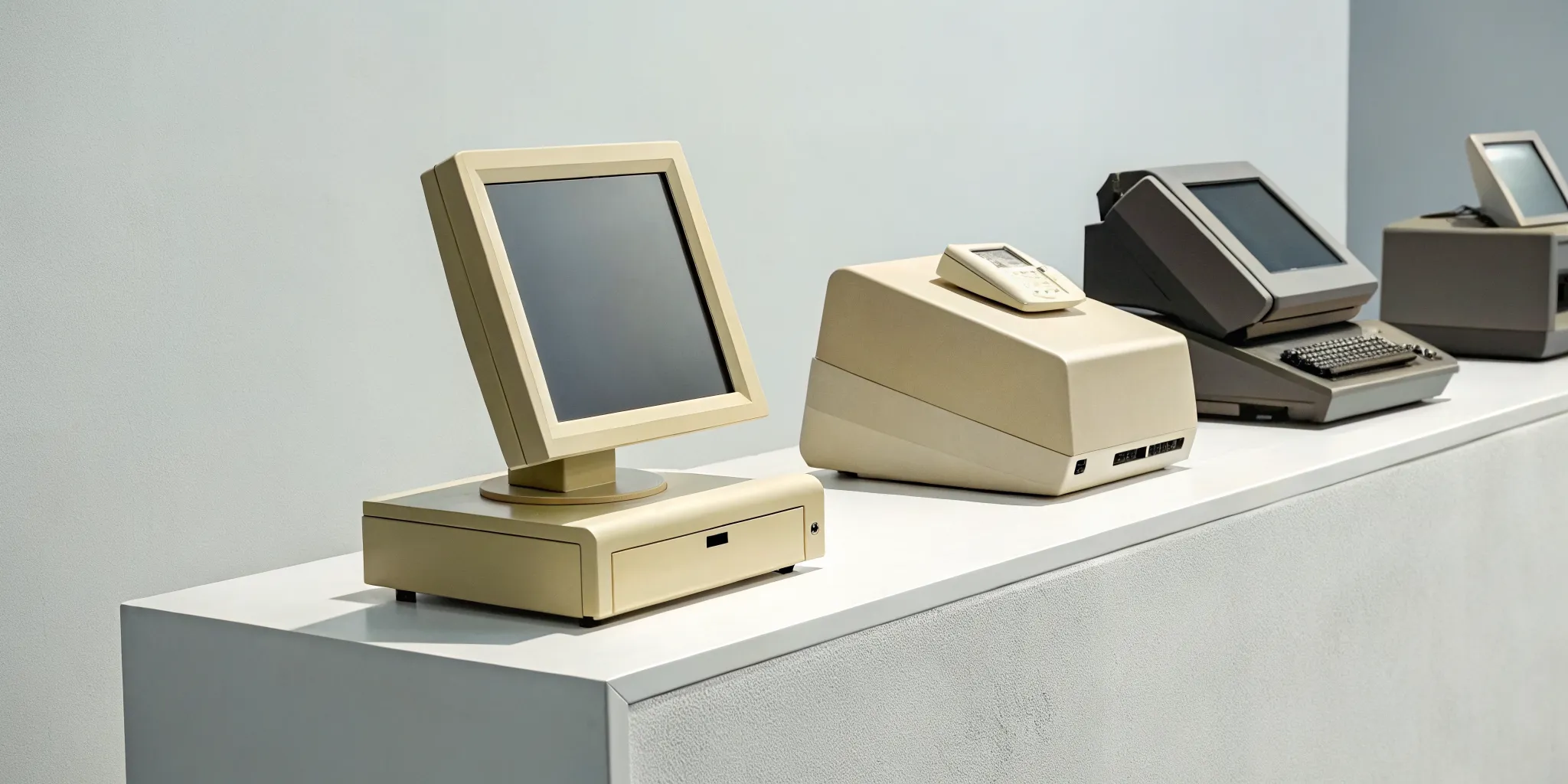
Your point-of-sale system should be the command center of your restaurant, not a cage. Too often, business owners find themselves locked into restrictive hardware or, even worse, a single payment processor with high, non-negotiable fees. This is where buying used can offer a path to freedom. When you look for ‘old restaurant pos systems for sale’, you open up the possibility of owning your hardware outright. This gives you the flexibility to choose a merchant services provider that offers transparent pricing and excellent service, like MBNCard. This guide will show you how to find a compatible system that puts you in control.
Key Takeaways
- Look beyond the sticker price: A low initial cost can be misleading. Always budget for hidden expenses like software licensing fees, potential repairs without a warranty, and professional setup to understand the true total investment.
- Confirm modern payment compatibility: Your POS must handle current payment methods like chip cards and contactless payments. Ensure the system isn’t locked into a specific payment processor so you have the freedom to choose a partner that offers the best rates and service.
- Do your homework before you buy: A hands-on inspection is essential. Test the hardware yourself, contact the software company to verify licensing costs, and have a clear plan for technical support since used systems rarely come with a warranty.
Is a Used Restaurant POS System Right for You?
Choosing a point-of-sale system is one of the biggest tech decisions you’ll make for your restaurant. While the latest models have their appeal, they also come with a hefty price tag. If you’re looking to manage your budget without compromising on quality, a used restaurant POS system could be a brilliant move. It’s not about cutting corners; it’s about making a strategic investment. By opting for a pre-owned system, you can access powerful, reliable technology at a fraction of the cost, freeing up capital for other areas of your business. Let’s walk through the key benefits to see if this path is the right fit for your restaurant.
Save money without sacrificing key features
The most immediate advantage of buying a used POS system is the cost savings. You can find second-hand equipment for 40% to 70% less than the price of a new system. For a small or growing restaurant, that’s a significant amount of cash you can redirect toward inventory, marketing, or hiring great staff. Saving money doesn’t mean you have to settle for outdated technology, either. Many used systems come fully equipped with the essential POS features you need to run your business efficiently, including order management, table layouts, and inventory tracking. You get the core functionality you need to serve customers and manage operations without the brand-new price tag.
Get proven reliability from established brands
When you buy a used POS system from a top-tier brand like MICROS or NCR, you’re investing in hardware that was built to withstand the chaos of a busy restaurant. These systems are commercial-grade workhorses designed for durability and performance. Many used POS systems come from well-known, established brands, which means you’re getting a product that has already been tested and trusted in the market. Opting for a model with a proven track record can often be a safer bet than buying a new, unproven system from a startup brand. This reliability is crucial for keeping your operations running smoothly, especially during your busiest hours.
Get up and running faster
Getting a new restaurant off the ground or upgrading your current tech needs to happen quickly. Purchasing a used POS system can help you get operational faster because many of these systems are already configured and ready for immediate use. Instead of waiting on backorders for new equipment or spending days on a complicated setup, you can often find a pre-owned system that’s practically plug-and-play. This is especially true if you buy from a restaurant that’s simply upgrading its own tech. A faster setup means you can start training your staff and processing payments sooner, minimizing downtime and keeping your focus on your customers.
Go green by reusing equipment
Choosing a used POS system is also a sustainable choice. In an industry that can generate a lot of waste, every green decision counts. Reusing old POS systems helps your business save money while also contributing to environmental sustainability by reducing electronic waste. By giving durable hardware a second life, you’re preventing it from ending up in a landfill. This practice promotes a greener approach in the restaurant industry and allows you to build a business that is not only profitable but also environmentally responsible. It’s a simple way to align your business operations with eco-friendly values.
What to Look for in a Used POS System
When you’re shopping for a used POS system, it’s easy to get drawn in by a low price. But a cheap system that doesn’t actually help you run your business isn’t a bargain; it’s a headache waiting to happen. To make a smart investment, you need to look beyond the hardware and really evaluate the software’s capabilities. Think about your day-to-day operations, from the moment a customer walks in to when you close out the register. How do you manage your team? How do you connect with your customers? How do you track your business’s financial health? The right used POS system will feel like a natural extension of your restaurant, not a clunky piece of old tech you have to fight with.
Before you commit to buying, it’s crucial to ensure the system has the modern features you need to operate efficiently and securely. A system from a few years ago might seem like a good deal, but if it can’t handle online ordering integrations, manage your staff effectively, or give you access to your sales data when you’re off-site, it could hold your business back. The goal is to find a reliable workhorse that saves you money upfront without costing you more in lost time, sales, or opportunities down the road. This means creating a checklist of must-have features. We’ve broken down the key areas to focus on: essential operations, cloud functionality, customer and team management tools, and, most importantly, reporting and payment integration.
Prioritize essential restaurant operations
A modern POS should do more than just process transactions. It needs to be the command center for your entire restaurant. Before you buy, confirm the system can streamline your core tasks with ease. This includes robust sales tracking, intuitive table management, and simple menu customization for daily specials or price changes. Some systems can even manage staff schedules and help you track inventory, which cuts down on waste and saves you money. The right tools can reduce wasted time and keep your team focused on serving customers instead of wrestling with outdated technology. A system that simplifies these daily restaurant operations is essential for keeping things running smoothly, especially during a busy dinner rush.
Check for cloud functionality and offline mode
You need to know where your business data lives and how you can access it. Older, legacy POS systems often store information on an internal, on-site server, which can be risky if the hardware fails or you need to access reports from home. Newer, cloud-based systems are a much better option, as they host your data securely on the web. But what happens if your internet goes down mid-service? That’s why a critical feature to look for is an offline mode. Many cloud-based POS systems have this function, allowing you to continue processing payments, which then sync up once you’re back online. This feature is a lifesaver for preventing lost sales during an outage.
Find integrated CRM and labor management tools
Your POS system holds a ton of valuable data about your customers and your team, and a great used system will help you use it. Look for integrated Customer Relationship Management (CRM) features that turn transaction data into actionable insights. This can help you identify your regulars, create loyalty programs, and encourage repeat business. On the employee side, modern POS software often includes tools that simplify labor management. Features like employee time clocks, scheduling assistance, and performance reporting make it easier to manage your staff, control labor costs, and ensure you have the right people on the floor at the right times, taking the guesswork out of your daily planning.
Ensure real-time reporting and payment integration
Making smart business decisions requires up-to-date information. Cloud-based systems give you real-time connectivity to your business data, so you can see exactly what’s happening even when you’re not physically in the restaurant. This allows you to monitor sales, track performance, and make informed choices on the fly. Just as important is how the system handles payments. Ensure the POS is not locked into a single payment processor. You want the flexibility to choose a merchant services provider that offers transparent pricing and excellent service, like MBNCard. This compatibility is key to avoiding hidden fees and ensuring your payment processing is secure, affordable, and efficient for years to come.
Where to Find Quality Used Restaurant POS Systems
Once you know what features you need, the next step is finding the right equipment. Buying a used POS system can feel like a treasure hunt, but quality hardware is out there if you know where to look. From sprawling online marketplaces to local dealers, you have several great options for sourcing a reliable system that fits your budget. The key is to explore each channel to see which one best aligns with your needs for price, support, and peace of mind. Let’s walk through the most common places to find used restaurant POS systems and what to expect from each.
Shop online marketplaces and specialized retailers
Online marketplaces are often the first stop for savvy shoppers, and for good reason. Websites like eBay offer a massive selection of used restaurant POS systems, from complete bundles to individual components like cash drawers and receipt printers. You can find equipment from nearly every major brand, giving you plenty of choices. The main advantage here is the sheer volume and competitive pricing. However, you’ll need to do your homework. Carefully read item descriptions, check seller ratings, and don’t be afraid to ask questions before you buy. This route is often best for owners who are comfortable setting up their own hardware or have tech support on hand.
Consider refurbished systems from specialists
If buying from an individual seller online feels a bit risky, consider a retailer that specializes in refurbished POS equipment. These companies take used hardware, professionally test it, clean it, and restore it to factory settings. While they might cost a little more than a system from a marketplace, refurbished POS bundles often come with a limited warranty and a guarantee that the equipment is in good working order. This gives you an extra layer of security and confidence in your purchase. It’s a fantastic middle-ground option that balances significant cost savings with the reliability you need to run your restaurant smoothly.
Explore local equipment dealers
Don’t overlook the resources in your own backyard. Many local or regional companies specialize in buying and selling used business equipment. These dealers often acquire hardware from restaurants that are upgrading their systems or closing down. The biggest benefit of shopping local is the ability to see and test the equipment in person before you commit. A local dealer may also offer installation services or be able to recommend a trusted technician in your area. Building a relationship with a local POS hardware buyer can also be helpful for future needs, whether you’re looking to expand or sell your old equipment down the line.
Find a system compatible with MBNCard for seamless payments
No matter where you find your hardware, the most critical step is ensuring it works with your payment processor. A POS system is useless if it can’t securely and efficiently accept customer payments. Before you finalize a purchase, confirm that the software and hardware are compatible with modern payment solutions. You’ll want a system that can handle everything from credit card processing to mobile payments without a hitch. At MBNCard, we help merchants integrate their POS systems with our reliable and affordable payment processing services. Our team can help you verify compatibility and get you set up to accept payments quickly, so you can focus on serving your customers.
Which Brands Offer the Best Value?
When you’re shopping for a used POS system, you’ll see a lot of the same names pop up. Brands like MICROS, NCR, and PAR have been industry leaders for years, and for good reason. They built their reputations on creating durable hardware and software tailored to the unique demands of the restaurant business. While newer, cloud-based systems have their perks, these legacy brands often provide incredible value for a fraction of the cost. The key is to look past the price tag and focus on which system offers the features and reliability your restaurant truly needs. A well-maintained unit from a trusted brand can be a smart investment that serves your business for years to come.
Evaluate MICROS for restaurant-specific features
If you’ve worked in the restaurant industry, you’ve probably come across a MICROS system. They are a powerhouse in the food service world because their systems are built from the ground up for restaurants. Think beyond just taking payments. MICROS systems excel at managing complex orders, tracking tables, and integrating with kitchen displays. When you buy a used MICROS unit, you’re getting access to a suite of features specifically designed to streamline your operations. For many restaurant owners, this specialization makes MICROS one of the best restaurant POS systems you can find on the secondhand market, offering professional-grade tools without the brand-new price.
Consider NCR for its reliability
When your restaurant is packed on a Friday night, the last thing you need is your POS system crashing. This is where NCR shines. Known for its robust and reliable hardware, NCR systems are built to handle high transaction volumes without breaking a sweat. You’ll find them in all kinds of busy retail and restaurant environments because they are true workhorses. Choosing a used NCR system means you’re investing in dependability. It’s a practical choice for any business owner who values stability and wants to minimize the risk of technical hiccups during peak hours. Their reputation for durability makes them a consistently dependable choice for busy establishments.
Look into PAR and other established brands
PAR is another established brand that deserves a spot on your shortlist. They are well-regarded in the restaurant industry for creating POS solutions that are both powerful and easy to use. Many restaurant owners appreciate their user-friendly interfaces, which can make training new staff much simpler. Beyond the big three, you’ll find other reputable brands on the market as well. The best approach is to explore a few different POS solutions to see which one feels like the right fit for your team’s workflow. Don’t limit your search to just one name; you might find a great deal on a system that perfectly matches your needs.
Research brand reputation and long-term support
A low price on a used POS system is tempting, but it’s not the whole story. Before you commit, take some time to research the brand’s reputation for customer service. A great deal can quickly turn sour if you can’t get help when something goes wrong. Look into online forums and talk to other restaurant owners to see what their experiences have been. It’s crucial to understand the availability of long-term support, especially for older models. A brand with a solid support system can save you from major headaches and operational disruptions, making it a much better value in the long run.
What Are the Hidden Costs and Risks?
Buying a used POS system can feel like a smart way to cut costs, but that initial low price can be misleading. Before you commit, it’s important to look beyond the sticker price and understand the potential hidden costs and risks involved. What seems like a great deal upfront can quickly become a financial headache if you’re not careful. From software fees to outdated technology, these unexpected expenses can turn your bargain buy into a costly mistake. Let’s break down the key risks so you can make a truly informed decision for your restaurant.
Watch out for software licensing and activation fees
One of the biggest surprises for buyers is that POS software licenses are rarely transferable. The seller might give you the hardware, but the software that makes it run is likely tied to their original account. This means you’ll have to purchase a new license directly from the software provider, and those costs can be steep. Some experts even say that used POS software is essentially useless because the fees to make it usable for a new owner can be as much as, or even more than, buying a new system. Always contact the software company before you buy the hardware to get a clear quote on licensing, activation, and any reprogramming fees.
Understand the limits of warranties and support
When you buy new equipment, it typically comes with a manufacturer’s warranty and access to customer support. With a used system, you’re usually on your own. While you might save a significant amount on the initial purchase, you also accept the risk of hardware failure. If a terminal or printer breaks down a month after you buy it, the cost of repairs or replacement falls entirely on you. Furthermore, you won’t have a dedicated support line to call when you run into a technical glitch. You’ll either have to troubleshoot it yourself or hire an IT professional, adding another potential expense to your budget.
Avoid outdated tech and compatibility issues
Technology moves fast, and a POS system that was top-of-the-line a few years ago might be obsolete today. An older system may lack the functionality to accept modern payment types like EMV chip cards and contactless payments, which can expose your business to fraud liability. It’s also crucial to check for hardware and software compatibility issues. Outdated hardware might not be able to run the latest software updates, leaving you with security vulnerabilities and preventing you from integrating with essential tools like online ordering platforms or modern payment processors. Your POS system should streamline your operations, not hold them back.
Calculate if the total cost is actually a deal
Before you finalize a purchase, take the time to calculate the total cost of ownership. Start with the asking price for the used hardware, then add all the potential extra expenses we’ve discussed. Factor in the cost of a new software license, activation fees, potential repairs, and any necessary hardware upgrades to meet current payment security standards. Once you have that total, compare it to the price of a new, fully supported POS system. You may find that a new system with a predictable monthly fee, a full warranty, and included support is a much safer and more cost-effective investment for your restaurant in the long run.
How Much Should You Expect to Pay?
Figuring out the right price for a used POS system can feel like a guessing game, but it doesn’t have to be. While prices vary, understanding the key factors that determine cost will help you identify a great deal and avoid overpaying. The sticker price is just the beginning. You also need to think about potential hidden costs like software fees and setup. Let’s break down what you can expect to pay and how to budget for the total investment.
Know the price ranges by brand and complexity
The price of a used POS system depends heavily on its brand and what it can do. For example, you can often find used POS systems for a single station starting around $800, while simpler all-in-one computers might be available for under $500. Well-known brands like MICROS or NCR often hold their value better and may cost more, but they also come with a reputation for reliability. Think about the complexity you need. A basic system for a small café will cost less than a multi-terminal setup for a large restaurant.
Learn what factors affect the price
Several key things influence the final price tag on a used POS system. The physical condition of the hardware is a major one, so look for signs of heavy wear and tear. The age of the software is just as important. Outdated software might not be secure or compatible with modern payment processing. A system with modern features like cloud backup or integrated CRM tools will also command a higher price. While buying used can be a smart cost-effective strategy, be careful not to choose a system so old that it costs you more in the long run.
How to negotiate and find the best deal
Don’t hesitate to negotiate for a better price, especially when buying from an individual seller or on a marketplace. Many sellers on platforms like eBay are open to offers, so it never hurts to ask. Do your homework first by checking the prices of similar systems so you can make a reasonable offer. Remember, buying secondhand can save you a significant amount, often between 40% and 70% compared to the cost of new equipment. Being a prepared negotiator can help you secure a reliable system at a fantastic price.
Remember to budget for setup and integration
The price you pay for the hardware is rarely the final cost. It’s crucial to budget for expenses that come after the purchase, like setup and integration. Often, used POS software comes with additional fees to transfer the license or activate it for a new owner. These costs can sometimes be as much as buying a new system, so ask the seller about them upfront. You’ll also need to account for integrating the system with your payment processor. Factoring these potential expenses into your budget ensures a smooth transition to your new POS system.
What to Inspect Before You Buy
Finding a great deal on a used POS system is tempting, but it’s crucial to do your homework first. A thorough inspection can save you from headaches and hidden costs. Think of it like test-driving a car; you need to check under the hood. By focusing on a few key areas, you can confidently decide if a used system is a smart investment or a potential money pit. Here’s what to look for.
Test the hardware’s condition and functionality
The biggest risk with used equipment is simple wear and tear. A busy restaurant is tough on electronics, so give the hardware a detailed once-over. Power it on and test each component. Does the touchscreen respond accurately? Do the receipt printer and cash drawer work smoothly? Check all ports for damage and look for cracks in the casing. If possible, ask the seller to run a test transaction. Well-maintained equipment will feel solid, while a system on its last legs often shows clear signs of hardware fatigue.
Verify software compatibility and licensing
This is where many buyers get tripped up. You might get a great price on hardware only to find the software is unusable. POS software licenses are often tied to the original owner and can’t be transferred. Before you buy, find out the software’s name and version, then contact the company directly. Ask about their policy for second-hand systems and the cost to transfer or purchase a new license. These fees can sometimes equal the price of a new system. Also, confirm the software still receives security updates to protect your business and customer data.
Confirm it meets payment processing requirements
An older POS might not handle how customers pay today. Ensure it supports modern payment methods, including EMV chip cards and contactless payments like Apple Pay. Using outdated tech frustrates customers and can leave you liable for fraud. Most importantly, confirm the system isn’t locked to a specific payment processor. Some sellers bundle hardware with a processing contract, trapping you with high fees. You want the freedom to choose a merchant services provider that offers transparent pricing. A flexible system lets you partner with a company like MBNCard for secure, affordable processing.
Check your support and maintenance options
When you buy new, you get a warranty and customer support. With a used system, you’re often on your own. Ask the seller if any warranty remains, though it’s unlikely. If not, you’ll need a backup plan. Find out if the original manufacturer still offers support for that model. For older hardware, this is often not the case. Research local IT or POS repair services to see who could help in a pinch and what their rates are. Buying a used system without any available technical support can be a major risk.
Related Articles
- Restaurant Point of Sale POS System: A Buyer’s Guide
- The Hidden Costs of Old Restaurant POS Systems
- What Features Should I Look For In a Restaurant POS System?
Frequently Asked Questions
Are there hidden costs I should know about besides the purchase price? Yes, absolutely. The biggest potential cost is software licensing. The software that runs the POS system is often tied to the original owner, so you will likely need to purchase a new license or pay activation fees directly to the software company. It’s critical to contact the provider before you buy the hardware to get a clear price, as these fees can sometimes make a used system as expensive as a new one.
What happens if the used POS system I buy breaks down? When you buy used equipment, it typically doesn’t come with a warranty or a dedicated support line. This means if a component like the touchscreen or receipt printer fails, you are responsible for the full cost of repair or replacement. Before buying, it’s a good idea to research local IT professionals or POS repair services to have a plan in place for any technical issues that might come up.
Am I stuck with a specific payment processor if I buy a used POS system? You shouldn’t be, but it’s something you need to verify. Some POS systems are sold as part of a bundle that locks you into a single payment processor, which may not offer the best rates. Before you commit, confirm that the system is “unlocked” and gives you the freedom to choose your own merchant services provider. This flexibility allows you to partner with a company like MBNCard to get transparent pricing and secure payment processing.
How can I make sure an older POS system can still handle modern payments? This is a crucial check. You need to confirm the system is equipped to handle current payment technologies, especially EMV chip cards and contactless payments like Apple Pay or Google Pay. Using a system that can’t process these payments securely can make your business liable for fraudulent charges. Always ask the seller for the specific model number so you can research its capabilities and ensure it meets today’s security standards.
Is it better to buy from an online marketplace or a specialized refurbisher? It depends on your comfort level with technology and your tolerance for risk. Online marketplaces like eBay offer a huge selection and competitive prices, but you are responsible for vetting the seller and the equipment yourself. A specialized refurbisher professionally tests and cleans the hardware, often providing a limited warranty for extra peace of mind. This option usually costs a bit more but provides a safer, more reliable purchase.