If you accept credit cards, you’ve probably heard about the “liability shift.” This was a major rule change that put business owners on the hook for counterfeit card fraud if they didn’t have the right equipment. Before this, banks usually covered those costs. Now, if a customer pays with a chip card and you can only swipe the magnetic stripe, that financial risk falls directly on you. This is precisely why having a modern EMV chip card reader is no longer optional; it’s an essential tool for protecting your revenue. This article will walk you through everything you need to know about this technology, from how it works to choosing the right device for your business.
Key Takeaways
- Shield your business from fraud costs: Using an EMV reader is your best defense against the fraud liability shift. If you swipe a chip card instead of dipping it, your business, not the bank, becomes responsible for any counterfeit charges.
- Prioritize security and modern payment options: A good terminal does more than just read chips. Look for essential features like end-to-end encryption to protect card data and NFC technology to accept contactless payments like Apple Pay and Google Pay.
- Choose hardware that fits your workflow: The right reader depends on how you sell. A retail shop needs a fast countertop terminal, a service professional needs a mobile reader for on-the-go payments, and any business can benefit from a device that integrates with its existing POS system.
What Is an EMV Chip Card Reader?
If you’ve accepted a card payment in the last few years, you’re already familiar with EMV chip technology. That small, metallic square on modern credit and debit cards is a powerful microchip that has fundamentally changed payment security. An EMV reader is simply the terminal that communicates with that chip to process a transaction securely.
The term EMV stands for Europay, Mastercard, and Visa, the three companies that developed this global standard to fight card-present fraud. Today, all major card brands, including Discover and American Express, use this technology. For business owners, adopting an EMV reader is more than just keeping up with the times. It’s a crucial step in protecting your business from fraud-related chargebacks. Since the liability shift in 2015, merchants who process a counterfeit chip card with an old magnetic-stripe-only reader are now held financially responsible for any resulting fraudulent charges. Upgrading your equipment isn’t just about better technology; it’s about safeguarding your revenue and showing customers you take their security seriously.
How the Chip Technology Works
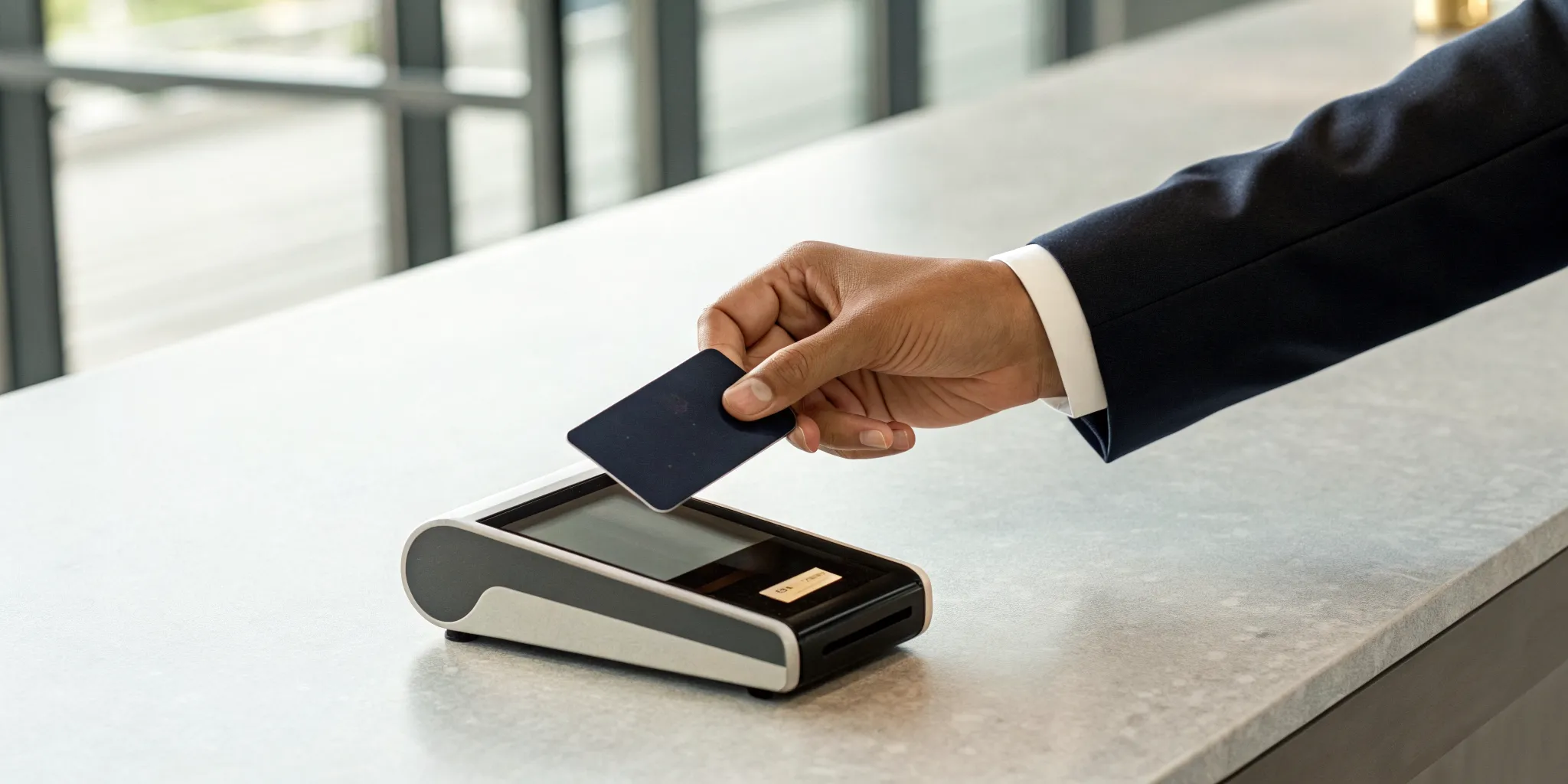
When a customer is ready to pay, they “dip” their card into the EMV reader instead of swiping it. This initiates a secure conversation between the microchip on the card and your payment terminal. During this exchange, the system verifies that the card is authentic and not a counterfeit. Then, the chip and the reader work together to create a unique, one-time-use code, or token, for that specific transaction. This process, known as tokenization, ensures the actual card details are never transmitted. The customer may also be prompted to enter their PIN, adding another layer of identity verification. This entire secure exchange happens in seconds, making it both efficient and incredibly safe.
Why It’s Safer Than the Old Magnetic Stripe
The key advantage of an EMV chip card is its dynamic data. The magnetic stripe on an old card contains static, unencrypted information. If a criminal were to skim that data, they could easily create a counterfeit or “cloned” card with the exact same information. It’s like making a copy of a key; once it’s copied, it can be used over and over. In stark contrast, the EMV chip generates a completely new transaction code for every single purchase. That code is encrypted and can never be reused. Even if a fraudster managed to intercept the data from one transaction, it would be completely useless for making another purchase. This makes it nearly impossible for criminals to create working counterfeit chip cards.
Why Your Business Needs an EMV Reader
Upgrading your payment terminal might feel like just another item on your to-do list, but getting an EMV reader is one of the most important moves you can make for your business. It’s not just about accepting new types of cards; it’s about fundamentally protecting your finances, securing your transactions, and building lasting trust with your customers. In a world where payment fraud is a constant threat, having the right hardware is your first line of defense.
Think of an EMV reader as an investment in your business’s stability and reputation. It directly addresses the risks associated with outdated magnetic stripe technology and aligns your business with current security standards. By processing chip cards, you shield your business from specific fraud-related costs, offer customers a safer way to pay, and show them you’re serious about protecting their information. Let’s break down the three biggest reasons why an EMV reader isn’t just a nice-to-have, but a must-have for any modern business.
Protect Yourself from Fraud Liability
This is the single most critical reason to use an EMV reader. Years ago, a rule change known as the “liability shift” was put in place by major card networks. Before this change, banks typically absorbed the cost of counterfeit card fraud. Now, if a customer pays with a chip card and you process it using the old magnetic stripe swipe instead of the chip reader, you could be held responsible for the entire fraudulent amount. Essentially, if you don’t use the available security technology, the financial risk falls on you, not the bank. Using an EMV reader for every chip card transaction protects your business from these potentially costly chargebacks.
Keep Every Transaction Secure
The old magnetic stripes on credit cards contain static data, meaning your information stays the same with every swipe. This makes them relatively easy for criminals to copy or “skim.” EMV chips, on the other hand, are much smarter. For every single transaction, the chip creates a unique, one-time-use code to authenticate the payment. Even if a fraudster managed to intercept that code, it would be useless for making another purchase. This process, often called tokenization, makes it incredibly difficult to create counterfeit cards from stolen data. It’s a powerful layer of security that protects both you and your customer at the point of sale.
Build Trust and Accept More Payment Types
Your customers notice the technology you use. When they see a modern terminal that accepts chip cards, it sends a clear signal that you are invested in their security. This builds confidence and shows that you’re a professional, trustworthy business. Beyond that, most modern EMV readers are also equipped to handle more than just chip cards. They typically include NFC technology for contactless payments, allowing customers to pay quickly and securely with a tap of their card or phone using services like Apple Pay and Google Pay. Offering these convenient and secure options meets modern customer expectations and can lead to a smoother, faster checkout experience for everyone.
Key Features to Look for in an EMV Reader
Once you decide to get an EMV reader, you’ll find plenty of options on the market. But not all terminals are created equal. The right device for a busy coffee shop might not be the best fit for a freelance contractor or a boutique clothing store. To find the perfect match for your business, you need to look past the price tag and focus on the features that will make your life easier, keep your customers’ data safe, and support your growth. Let’s walk through the four most important features to consider.
Fast Processing and Reliable Connectivity
Nothing slows down a line like a lagging card reader. In a fast-paced environment, every second counts, and slow transaction speeds can lead to frustrated customers and lost sales. Look for a reader known for its quick processing power. Modern terminals should be able to handle a chip card transaction in just a few seconds.
Equally important is a reliable connection. A reader that constantly drops its connection is a liability. Consider how you’ll be using the device. Will it stay on a countertop? Look for one with a stable Ethernet or Wi-Fi connection. Need to take payments on the go? A reader with reliable cellular connectivity is essential. The goal is to ensure you can accept payments anytime, anywhere, without a hitch.
Support for Contactless and Mobile Payments
Customer preferences are always changing, and today, more people expect to pay with a simple tap. Contactless payments, including “tap to pay” cards and mobile wallets like Apple Pay and Google Pay, are no longer a novelty; they’re a standard feature. Offering these options provides a faster, more convenient checkout experience for your customers.
An EMV reader that supports Near Field Communication (NFC) technology is what you need to accept these payments. This feature not only speeds up transactions but also shows your customers that your business is modern and accommodating. When choosing a reader, make sure it’s equipped to handle all the ways your customers want to pay, from traditional chip cards to the latest mobile payment methods.
End-to-End Encryption and PCI Compliance
Security should be your top priority. An EMV reader’s main job is to protect sensitive card data, and the best way to do that is with end-to-end encryption (E2EE). E2EE scrambles cardholder data the instant the chip is read and keeps it encrypted until it reaches the secure payment processor. This process makes the data useless to fraudsters if it’s ever intercepted.
This level of security is also a cornerstone of PCI compliance, which are the industry standards for protecting card data. Using a reader with E2EE and other security features helps you meet these requirements and significantly reduces your risk of a costly data breach. Always confirm that any reader you consider offers robust, built-in encryption.
Seamless Integration with Your Current Setup
A new piece of hardware should simplify your operations, not complicate them. Before you commit to an EMV reader, think about how it will fit into your existing workflow. Does it connect easily with your current Point of Sale (POS) system? Can it sync with your inventory management or accounting software? Compatibility is key to avoiding technical headaches and wasted time.
If you’re just starting out, consider an all-in-one system where the reader and software are designed to work together perfectly. If you already have a setup you love, ask your payment provider for a list of compatible EMV readers. A smooth integration means your sales, inventory, and customer data will all stay in sync, allowing you to run your business more efficiently.
Comparing Different Types of EMV Readers
Once you know you need an EMV reader, the next step is figuring out which type is the right fit for your business. The best choice depends entirely on how and where you sell. A bustling restaurant has very different needs than a plumber who takes payments at a client’s home. Understanding the main categories will help you narrow down your options and find a solution that works seamlessly with your daily operations.
Let’s walk through the four most common types of EMV readers, from comprehensive systems to on-the-go solutions. Each one offers a unique set of features designed for specific business environments. By comparing them, you can identify the hardware that will not only secure your transactions but also make your checkout process smoother for you and your customers.
All-in-One POS Systems
Think of these as the command center for your business. All-in-one POS systems are modern point-of-sale setups that do much more than just process payments. They integrate various functions, including built-in chip slots and screen interfaces, allowing you to manage sales, inventory, and customer data all in one place. These systems are perfect for retail stores, cafes, and restaurants where you need a robust solution to handle a high volume of transactions while also tracking inventory and sales trends. With everything connected, you get a complete picture of your business performance right at your fingertips.
Countertop Terminals
Countertop terminals are the classic, reliable workhorses you see at checkout counters everywhere. These are standard, stationary devices designed for processing transactions at a fixed location, providing a dependable solution for businesses that handle most of their payments in person. If you run a brick-and-mortar shop, a salon, or any business with a dedicated front desk, a countertop terminal is often the most straightforward and cost-effective choice. They are built for durability and speed, ensuring your line keeps moving without a hitch.
Mobile Card Readers
For businesses on the move, mobile card readers are a game-changer. These compact devices plug into a smartphone or tablet, turning your mobile device into a secure payment terminal. A mobile EMV reader enables you to accept payments using a smartphone, whether it’s an iPhone or an Android. This flexibility is ideal for food trucks, market vendors, contractors, and any professional who needs to take payments outside of a traditional storefront. They support both chip cards and older magnetic stripe cards, so you never have to miss a sale, no matter where you are.
Virtual Terminals
What if you take payments over the phone or by mail order? That’s where a virtual terminal comes in. Unlike the other options, this isn’t a piece of hardware. Instead, virtual terminals are secure web pages that let you process payments online. You simply enter your customer’s card information using a computer or mobile device. This makes them perfect for remote transactions and businesses that don’t have a physical storefront. If you’re a consultant, run a B2B service, or handle invoices manually, a virtual terminal gives you a secure and efficient way to get paid.
What Determines the Cost of an EMV Reader?
When you start looking at EMV readers, it’s natural to focus on the price tag. But the true cost of a chip card reader isn’t just what you pay for the device upfront. It’s a combination of the hardware, your ongoing processing fees, and the long-term value it brings to your business. Thinking of it as an investment, rather than just another expense, is the right approach. A reliable EMV reader is your first line of defense against costly fraud, a powerful tool for building customer trust, and a simple way to keep your checkout process fast and efficient.
To really understand what you’ll spend, you need to look at the complete picture. This means going beyond the initial hardware cost to consider how the right terminal can impact your transaction rates and, more importantly, the hidden costs it helps you avoid. The shift to EMV technology wasn’t just about new cards; it was about shifting responsibility for fraud. By having the right equipment, you protect your business from financial hits that could be far more damaging than the cost of a terminal. Let’s break down the three main factors that determine the total cost of an EMV reader.
The Price of the Hardware
The most obvious cost is the physical device. Prices can range from under a hundred dollars for a simple mobile reader to several hundred for a more advanced countertop terminal or a full point-of-sale (POS) system. While it might be tempting to find the cheapest option, remember what this hardware does. It protects you from fraud liability. If a customer pays with a chip card and you can only swipe it, your business is responsible for any fraudulent charges that occur. That single chargeback could easily cost more than the reader itself. Think of the hardware not as a purchase, but as an insurance policy against costly fraud.
Your Processing Fees and Rates
A common worry for business owners is whether upgrading to an EMV reader will increase their credit card processing fees. The good news is, it won’t. Accepting a chip card doesn’t cost more per transaction than swiping a magnetic stripe card. In fact, it can actually save you money. By processing chip cards correctly, you shield your business from the liability of counterfeit card fraud. This means fewer chargebacks and more revenue staying where it belongs: in your bank account. Your payment processing rates are determined by your provider and plan, not by the type of reader you use, so a secure terminal only helps your bottom line.
The True Total Cost of Ownership
To understand the real price, you have to consider the total cost of ownership. This concept looks beyond the initial price tag to include all the costs and benefits over the life of the equipment. For an EMV reader, this means factoring in the hardware cost, your processing rates, and the money you save by preventing fraud. The EMV payment standard applies to every business that accepts credit cards, making this an essential piece of equipment. A reliable reader that integrates smoothly with your setup and keeps transactions secure is an investment that pays for itself by protecting your revenue and reputation.
Common Myths About EMV Readers, Busted
EMV technology has made in-person payments much safer, but there’s still a lot of confusion out there. Let’s clear the air by busting a few common myths. Understanding the facts helps you better protect your business and your customers.
Myth #1: EMV Stops All Fraud
While EMV is a huge leap forward in preventing in-person counterfeit card fraud, it isn’t a silver bullet. The chip creates a unique code for each transaction, making it extremely difficult for criminals to clone a card for physical use. However, this protection doesn’t apply to online or phone orders where the card isn’t physically present. For these “card-not-present” sales, you still need other security tools. Using an Address Verification Service (AVS) and requiring the CVV code are critical steps to confirm the buyer is the legitimate cardholder and reduce your fraud risk.
Myth #2: All Readers Encrypt Data Automatically
Many people assume EMV and encryption are the same, but they serve different purposes. EMV technology is all about authenticating the card itself, making sure it’s legitimate and not a counterfeit. Encryption is what scrambles and protects the sensitive card data as it travels from your terminal to the payment processor. Not all EMV readers automatically provide end-to-end encryption. To fully protect your business from a data breach and maintain PCI compliance, you need a payment solution that delivers both. It’s a crucial combination for keeping customer information safe.
Myth #3: Any EMV Reader Guarantees Liability Protection
Just having an EMV reader on your counter doesn’t automatically shield you from fraud costs. You have to use it correctly. The rules of the liability shift state that if a customer uses a chip card but you swipe it instead of dipping it, your business could be responsible for any resulting counterfeit fraud. This makes staff training essential. Make sure your team knows to always “dip the chip” when a customer presents a chip card. This simple habit ensures the liability for that type of fraud stays with the card-issuing bank, not with you.
How to Choose the Right EMV Reader for Your Business
Now that we’ve cleared up some common myths, let’s get practical. Choosing an EMV reader isn’t about grabbing the first one you see; it’s about finding the right tool for your specific business. The perfect reader for a bustling restaurant will be different from what a freelance photographer needs. To find your best fit, focus on three key areas: your sales environment, your existing tech, and your security needs.
Match the Reader to Your Sales Volume and Business Type
The most important reason to get this right is the fraud liability shift. If a customer uses a chip card and you don’t have an EMV-capable reader, you could be held responsible for any resulting counterfeit fraud. Think about your daily operations. A high-volume coffee shop needs a durable countertop terminal that processes payments in seconds. In contrast, a plumber or a vendor at a farmers market needs a reliable mobile card reader that connects to a smartphone. Matching the hardware to your workflow prevents headaches and protects your revenue from unnecessary fraud costs.
Check Your Integration Needs
Your payment terminal should make your life easier, not more complicated. Before you commit, consider how a device will fit into your current setup. Does it need to sync with your Point of Sale (POS) system, inventory software, or accounting tools? A seamless integration saves you from manually entering sales data, which reduces errors and frees up your time. Also, think about your customers. Modern readers support contactless payments, allowing people to tap their card or phone. Offering these convenient options creates a faster, smoother checkout experience for everyone.
Know Your Security and Compliance Requirements
Here’s a key detail: EMV technology prevents fraud during a transaction, but it doesn’t protect card data once it’s in your system. That’s why you need to look beyond the chip. Your reader should support security features like end-to-end encryption (E2EE), which scrambles card data from the moment it’s captured until it reaches the payment processor. This is a critical part of maintaining PCI compliance, the industry standard for protecting customer information. Choosing a certified, secure reader isn’t just about following rules; it’s about building trust and safeguarding your business’s reputation.
Where to Get Your EMV Chip Card Reader
Once you know you need an EMV reader, the next question is where to get one. You have a couple of solid options, and the right choice depends on your budget, technical comfort level, and long-term business goals. Let’s walk through the most common paths to getting the right hardware for your business.
Partnering with a Payment Processor
Working directly with a payment processor is often the most straightforward way to get an EMV reader. Companies like MBNCard typically offer terminals that are pre-programmed and guaranteed to work seamlessly with their system. This route saves you the headache of worrying about compatibility and setup. Many processors provide the hardware as part of their merchant services package, sometimes through a lease or even as a free placement. While processing fees don’t change just because a card has a chip, accepting EMV cards can be less expensive in the long run. It helps protect your business from the liability that comes with fraudulent transactions, saving you from potentially costly chargebacks.
Buying Directly from a Manufacturer
You can also buy an EMV terminal outright from a manufacturer or a third-party retailer. This means you own the equipment, which can feel like a plus. However, the upfront cost is usually higher, and you’ll be responsible for making sure it’s compatible with your payment processor. You may also need to handle the programming yourself, which can be tricky. The biggest reason to have a compliant terminal is that if your business doesn’t accept EMV chip cards, you become responsible for any in-store card fraud. Buying your own machine ensures you have one, but partnering with a processor ensures you have one that’s correctly configured and supported.
How to Evaluate Your Options and Find the Best Deal
To find the best deal, look beyond the sticker price of the terminal. Consider the total cost of ownership, which includes the hardware, software fees, and your credit card processing rates. If a processor offers a “free” terminal, read the contract carefully to understand the terms. Is it a lease? What happens if you switch providers? Upgrading your equipment is a necessary step to protect your business, so it’s worth taking the time to find a solution that fits your budget and operational needs. Ask questions about warranties, customer support, and whether the terminal is locked to a specific processor before making your final decision.
Related Articles
Frequently Asked Questions
Why am I responsible for fraud if I don’t use a chip reader? This comes down to a rule called the “liability shift.” Before this rule, banks usually covered the cost of counterfeit card fraud. Now, if a customer pays with a chip card but you can only swipe the magnetic stripe, the financial responsibility for that fraud falls on your business. Using an EMV reader for every chip card transaction is your way of showing you used the proper security, which keeps the liability with the bank.
Will accepting chip cards increase my processing fees? No, it won’t. Your processing rates are set by your provider and are not affected by whether a card is dipped or swiped. In fact, using an EMV reader can actually save you money in the long run. By properly processing chip cards, you protect your business from fraud-related chargebacks, which means more of your hard-earned revenue stays with you.
Is a chip reader the same as a contactless or “tap to pay” reader? They are often found in the same device, but they use different technologies. The chip reader uses the small metal square on the card that you “dip” into the terminal. Contactless payments, like tapping a card or using a mobile wallet like Apple Pay, use Near Field Communication (NFC). Most modern EMV terminals include both capabilities, so you can securely accept payments however your customers prefer to pay.
I’m not sure which type of reader I need. How do I decide? The best way to decide is to think about where you make your sales. If you have a physical storefront with a checkout counter, a durable countertop terminal is a great choice. If you’re always on the go, like a contractor or a market vendor, a mobile reader that connects to your phone is perfect. For businesses that need to manage inventory and sales in one place, a full POS system is ideal.
Should I buy my own EMV reader or get one from my payment processor? Getting a reader directly from your payment processor is usually the easiest path. The device will arrive pre-programmed and ready to work with your system, saving you from technical headaches. While you can buy a reader from a third party, you’ll be responsible for making sure it’s compatible and setting it up correctly. A processor can ensure your equipment is secure, supported, and properly configured from day one.