Your business doesn’t just happen behind a counter, so why should your payment processing? Whether you’re a contractor finishing a job on-site, a restaurant server taking an order tableside, or a vendor at a bustling street fair, the ability to accept payments anywhere is a game-changer. This is where a wireless credit card terminal becomes an essential part of your toolkit. It’s more than just a piece of hardware; it’s a way to improve cash flow, speed up service, and provide a seamless experience for your customers. In this article, we’ll explore the key benefits and help you decide if going wireless is the right move for your business.
Key Takeaways
- Serve Customers Anywhere: A wireless terminal untethers you from the sales counter, allowing you to improve customer flow. Use it to take payments at the table, on the sales floor, or at a client’s location to speed up service and create a better checkout experience.
- Focus on Core Features: The best terminal for your business will have a long-lasting battery, both Wi-Fi and cellular connectivity for reliability, and the ability to accept every payment type your customers use, including contactless taps.
- Your Processor Is as Important as Your Hardware: The terminal is just one piece of the puzzle. Partner with a processor that guarantees top-tier security and offers smart payment programs, like dual pricing, to help you significantly reduce or even eliminate your credit card processing fees.
What Is a Wireless Credit Card Terminal?
Think of a wireless credit card terminal as a pocket-sized powerhouse for your business. It’s a portable device that lets you accept credit and debit card payments from anywhere, without being tethered to a phone line or an ethernet cable. If you’ve ever paid a plumber right after they finished a job or bought something from a vendor at a street fair, you’ve likely seen one in action. These terminals free you from the sales counter, allowing you to meet your customers wherever they are—at their table, on the sales floor, or at an off-site event.
This freedom is what makes wireless terminals a game-changer for so many businesses. Instead of funneling every customer into a single checkout line, you can process transactions on the spot, speeding up service and creating a smoother experience. It’s all about bringing the checkout process to the customer, not the other way around. This flexibility is essential for modern businesses that operate beyond the four walls of a traditional storefront. Whether you run a food truck, a mobile service, or a retail shop looking to bust lines during busy hours, a wireless terminal is a key piece of your payment processing toolkit.
How Do They Work?
So, how does this little device securely handle payments without being plugged into the wall? It’s simpler than you might think. A wireless credit card terminal connects to the internet using the same technology as your smartphone: either a Wi-Fi network or a cellular data connection (like 4G or 5G). When a customer taps, dips, or swipes their card, the terminal encrypts the payment information and sends it securely over that wireless connection for approval. The whole process takes just a few seconds. Modern terminals are equipped with powerful security features to protect both you and your customers from fraud, ensuring every transaction is safe.
Why Go Wireless? Key Benefits for Your Business
The biggest reason to go wireless is freedom. These terminals give you the flexibility to take payments from customers in different spots, which is incredibly convenient. For restaurants, it means servers can take payments right at the table, turning tables faster and improving the customer experience. For retailers, it means you can check people out anywhere in the store, cutting down on long lines. If you’re a contractor or service provider who works on-site, you can get paid the moment the job is done. This mobility not only makes your operations more efficient but also helps you create a professional and seamless checkout process that customers appreciate.
What Features Matter Most in a Wireless Terminal?
When you’re ready to cut the cord and go wireless, you’ll quickly find that not all terminals are built the same. It’s easy to get lost in a sea of tech specs and model numbers, but choosing the right device doesn’t have to be complicated. It really comes down to a handful of features that directly impact your day-to-day operations, your customers’ checkout experience, and your business’s security. Think of it like buying a car—you wouldn’t just pick one based on color. You’d look at the engine, the safety features, and whether it fits your lifestyle.
The same logic applies here. You need a terminal that works as hard as you do, whether you’re running a busy restaurant, a pop-up shop at a local market, or a service business on the move. A great wireless terminal should feel like a natural extension of your business, making transactions effortless for both you and your customers. It should give you the freedom to take payments anywhere, from the shop floor to a farmer’s market, without being tethered to a counter. To find that perfect fit, we’re going to walk through the four most important features to look for: payment flexibility, physical reliability, seamless connectivity, and rock-solid security. Understanding these will help you pick a wireless terminal that not only processes payments but also helps your business run smoother and grow stronger.
Accept Every Payment: Cards, Taps, and More
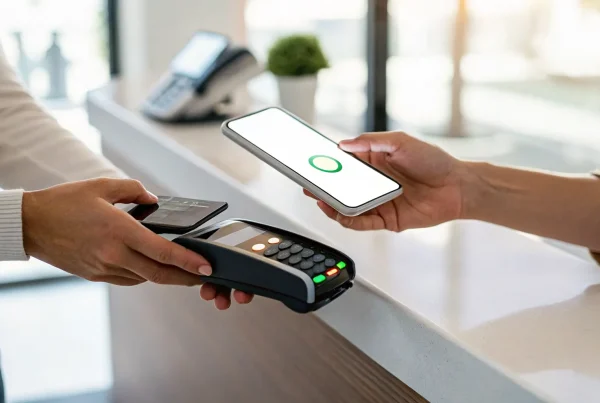
Your customers expect to pay their way, and the last thing you want is to turn someone away because you can’t accept their card. A great wireless terminal should be your all-in-one payment hub. This means it needs to handle everything from traditional magnetic stripe swipes to EMV chip cards. Most importantly, it must be equipped for NFC contactless payments, so customers can simply tap their card, phone, or smartwatch. Make sure your device supports all major networks—like Visa, Mastercard, American Express, and Discover—to give every customer a smooth and simple checkout experience.
All-Day Battery Life and Durability
The whole point of a wireless terminal is freedom, and nothing kills that freedom faster than a dead battery. Look for a device with a battery that can comfortably last through your busiest day on a single charge. You shouldn’t have to hunt for an outlet in the middle of a lunch rush or an outdoor event. Durability is just as important. Your terminal will be handled by staff and customers, and it might even take a small tumble or two. A sturdy, well-built device offers peace of mind and ensures you’re not dealing with costly replacements. This unparalleled mobility is what allows you to process payments anywhere your business takes you.
Stay Connected: Wi-Fi and Cellular Options
A wireless terminal is only as good as its connection. That’s why having flexible connectivity options is a must. Most terminals connect over Wi-Fi, which is perfect for processing payments within your store, café, or restaurant. But what happens if your Wi-Fi goes down or you’re working an event outdoors? That’s where a cellular connection (like 4G or 5G) becomes your safety net. The best wireless terminals offer both Wi-Fi and cellular capabilities, automatically switching to the strongest signal available. This dual connectivity ensures you can process payments reliably, no matter where you are.
Ironclad Security and Encryption
Protecting your customers’ payment information is your most important responsibility. Modern wireless terminals come with powerful security features built right in. The most critical of these is end-to-end encryption, which scrambles sensitive card data the moment it’s captured, making it useless to fraudsters. Your terminal must also be compliant with the Payment Card Industry Data Security Standard (PCI DSS). This isn’t just a recommendation; it’s the industry-wide requirement for securely handling card information. Choosing a secure, compliant terminal protects your customers, builds trust, and safeguards your business from devastating data breaches and fines.
A Look at Top Wireless Terminal Brands
When you start shopping for a wireless terminal, you’ll quickly notice a few brand names that pop up again and again. These companies are the leaders in the payment hardware space, known for their reliability, security, and innovative features. Getting to know the major players will help you understand your options and choose a device that fits your business perfectly. Let’s walk through four of the top brands you’re likely to encounter.
MBNCard Payment Solutions
As a family-owned business that’s been in the industry since 1991, MBNCard offers a personalized approach to payment processing. We provide a curated selection of wireless terminals designed for convenience and reliability, ensuring you can accept payments anywhere. Our mobile solutions are known for their straightforward setup and seamless integration with your existing systems. We focus on making the entire process simple, from choosing your hardware to running your first transaction. This commitment to service and ease of use is why many businesses trust MBNCard for their payment needs, including credit card processing, loyalty programs, and cash discount solutions that help you save.
Verifone
You’ve probably used a Verifone terminal without even realizing it—they are a major leader in the payment industry. Verifone is known for building innovative and highly secure wireless terminals that you can count on. Their devices are designed to accept a full range of payment methods, from traditional EMV chip cards to modern contactless taps. With user-friendly interfaces and powerful security features, Verifone terminals are a popular choice for all kinds of businesses, especially retailers and service providers. Their reliability makes them a go-to for many merchants, including some of the best credit card processing solutions for restaurants.
Ingenico
Ingenico is another powerhouse in the wireless terminal market, recognized for its advanced technology and comprehensive payment solutions. If you’re looking for a device that can handle everything from mobile wallets to standard credit cards, Ingenico has you covered. The company places a strong emphasis on creating a secure and efficient checkout experience for your customers. This focus on data protection and speed is why so many businesses rely on Ingenico’s portable credit card machines to keep their operations running smoothly. Their terminals are built to be both powerful and easy to use, giving you confidence with every sale.
PAX Technology
PAX Technology has made a name for itself with its versatile and forward-thinking wireless payment terminals. Built for a wide range of industries, PAX devices are packed with features that support multiple payment methods, including NFC for contactless payments and QR codes. They are designed to be durable and intuitive, making them a great fit whether you’re a small business just starting out or a larger, established enterprise. Many business owners appreciate that PAX terminals often feel modern and adaptable, making them one of the top choices for anyone looking for the best credit card readers for Android and other mobile operating systems.
How Much Does a Wireless Terminal Cost?
When you’re ready to invest in a wireless terminal, one of the first questions you’ll ask is about the price. The answer isn’t a single number, because the cost depends on more than just the hardware. The price tag on the device is your starting point, but the features you need, the software it runs, and your payment processing plan all play a role in the total investment.
Think of it like buying a new phone. You can get a basic model that handles the essentials, or you can opt for one with all the latest features, which will naturally cost more. Wireless terminals work the same way. Understanding the different components of the cost will help you find a solution that fits your business needs and your budget without any surprises. We’ll break down the upfront hardware costs and the other factors that influence what you’ll actually pay.
Breaking Down the Price
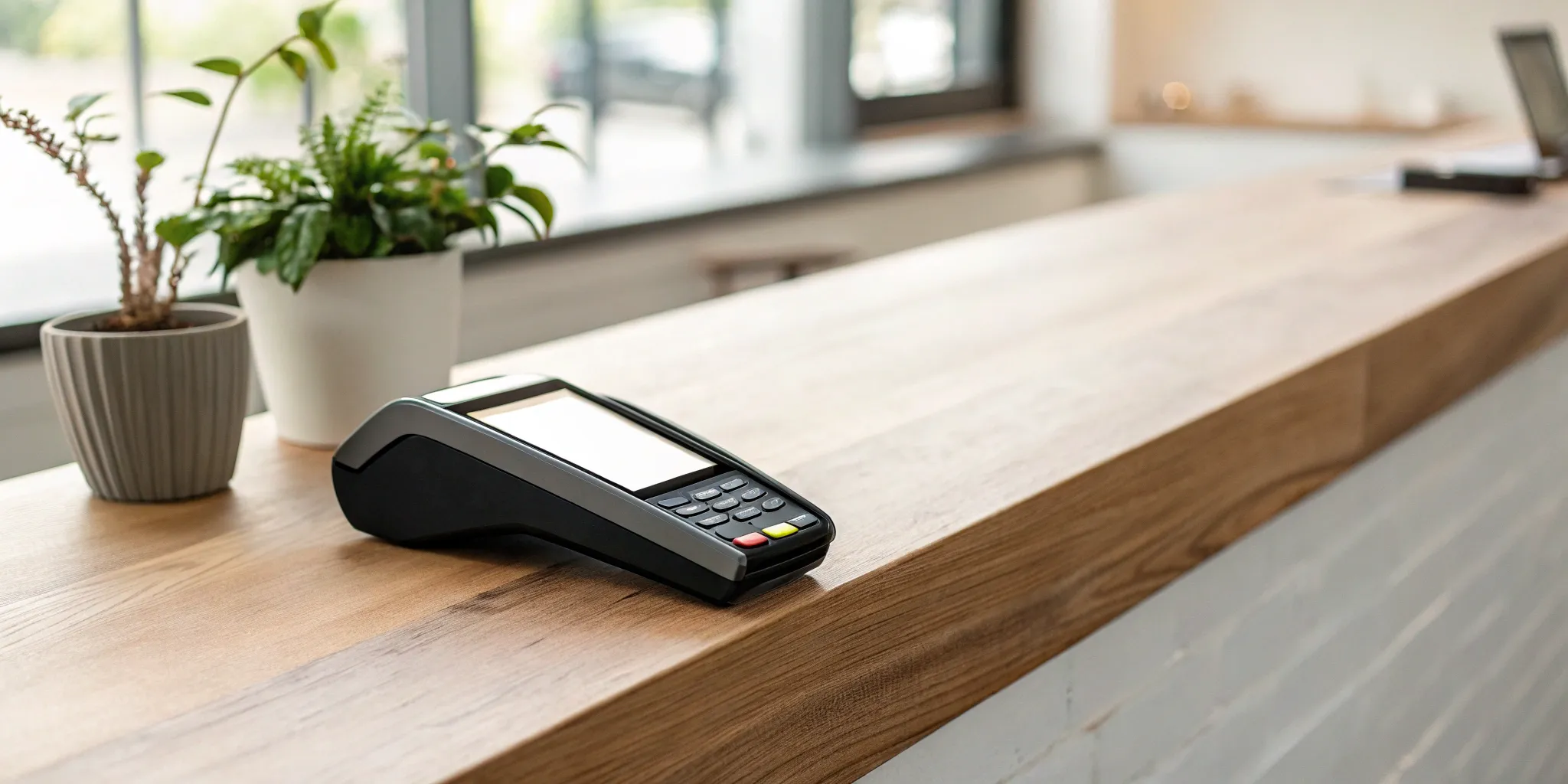
The physical wireless credit card machine can cost anywhere from $200 to $1,000. At the lower end of that range, you’ll find reliable devices with all the core functions: a magnetic stripe reader, a keypad, a display screen, and an EMV chip reader for secure card payments. These are perfect for businesses that need a straightforward, portable way to accept cards.
For comparison, traditional wired terminals that stay plugged in at your counter typically run from $100 to $850. The extra cost for a wireless model covers the technology that gives you the freedom to move—namely, the internal battery and the Wi-Fi or cellular connectivity. This upfront hardware cost is a one-time purchase that gets the device in your hands.
What Influences the Final Cost?
The initial price of the terminal is just one piece of the puzzle. More advanced features, like a built-in receipt printer, a larger touchscreen, or a longer-lasting battery, will place a terminal at the higher end of the price spectrum. The brand and specific model also affect the cost.
Beyond the hardware, your ongoing merchant service fees are a major part of the total cost of ownership. These include transaction fees, monthly account fees, and other charges from your payment processor. This is where choosing the right partner becomes critical. At MBNCard, we help you find a terminal that works for your budget and pair it with a transparent processing plan. Programs like dual pricing can even help you offset your processing costs entirely, making the hardware your main investment.
Is a Wireless Terminal Right for Your Business?
Deciding on the right payment hardware can feel like a big commitment, but it really comes down to how you operate. A wireless terminal isn’t just a gadget; it’s a tool that can completely change your workflow and customer experience. If your business involves movement—whether that’s moving around your store, visiting clients at their homes, or setting up shop at a weekend market—then going wireless is worth a serious look. Let’s break down which types of businesses benefit the most from cutting the cord.
Perfect for Businesses on the Move
If your business operates on the go, a wireless terminal is practically a necessity. Think about service providers like plumbers, electricians, or mobile detailers who complete jobs at a client’s location. Instead of sending an invoice later and waiting for payment, you can securely process transactions right on the spot. This simple change improves your cash flow and adds a layer of professionalism. Food trucks, delivery services, and freelance photographers also gain incredible flexibility, allowing them to accept credit and debit cards anywhere they find customers. It transforms any location into a point of sale, making sure you never miss out on a sale because you can’t take a card.
A Game-Changer for Restaurants and Retail
For restaurants and retail stores, wireless terminals are all about improving the customer experience. In a restaurant setting, bringing the terminal to the table for payment is a huge win. It’s faster for the customer, more secure since their card never leaves their sight, and helps your staff turn tables more efficiently. In a retail environment, you can use wireless devices to “line bust” during busy periods. Instead of letting a long queue form at the counter, your associates can check customers out anywhere on the sales floor. This reduces wait times, keeps shoppers happy, and can prevent them from abandoning their purchase out of frustration.
Essential for Pop-Ups and Events
Selling at farmers’ markets, craft fairs, or trade shows means you need a payment setup that’s as mobile as you are. Wireless terminals are perfect for these temporary environments because they don’t rely on a physical phone line or internet cable. As long as you have a Wi-Fi or cellular signal, you’re ready to make sales. This freedom allows you to set up your pop-up shop quickly and focus on your customers, not your tech. It also lets you accept modern payment types like tap-to-pay and digital wallets, which speeds up transactions and keeps the line moving—a crucial factor in a bustling event setting.
Keeping Your Payments and Customers Secure
When you’re handling customer payments, security is everything. It’s about protecting your business from fraud and earning your customers’ trust with every single transaction. The good news is that modern wireless terminals are built with multiple layers of security to keep sensitive data safe. You don’t have to be a security expert to protect your business—you just need to know what features to look for. Choosing the right terminal means you can accept payments anywhere with confidence, knowing that both your business and your customers are secure.
Understanding Encryption and Tokenization
Think of encryption and tokenization as your terminal’s secret service agents. When a customer pays, encryption immediately scrambles their card information into an unreadable code as it travels from the terminal to the payment processor. This ensures that even if a fraudster managed to intercept the data, it would be completely useless to them.
Tokenization takes security a step further. After the initial transaction, it replaces the customer’s actual card number with a unique, non-sensitive placeholder called a token. This token can be used for future transactions or stored for recurring billing without ever exposing the real card details. Together, these two features are the cornerstones of modern payment security.
Meeting PCI Compliance Standards
If you accept card payments, you need to follow the Payment Card Industry Data Security Standard (PCI DSS). These are the essential rules for safely handling credit card information and preventing data breaches. While it might sound complicated, your payment processor and terminal provider do most of the heavy lifting.
Any modern wireless terminal you use must be PCI compliant. This is non-negotiable. Working with a trusted merchant services provider ensures the hardware you receive already meets these strict security standards. This protects your customers’ data and saves you from the steep penalties and potential business loss that can result from non-compliance.
Using Built-In Fraud Prevention Tools
Beyond encryption, today’s wireless terminals have smart, built-in tools that actively screen for fraud. These features work automatically in the background to protect your business from bad transactions. For example, the terminal can instantly check if a card has been reported stolen, is expired, or has been flagged for suspicious activity.
If a potential issue is detected, the payment will be declined, preventing a fraudulent sale and a potential chargeback down the line. These automated checks happen in seconds, so they don’t slow down your checkout process. They simply provide an essential layer of defense, giving you peace of mind with every tap, dip, or swipe.
How to Set Up Your New Wireless Terminal
Getting new hardware can feel a little intimidating, but setting up your wireless terminal is surprisingly simple. Think of it like setting up a new smartphone. In just a few minutes, you’ll be ready to accept payments from anywhere. The key is to follow the steps in order and have your account information handy. Let’s walk through the process together so you can get up and running without a hitch.
Your Step-by-Step Setup Guide
First things first, let’s get your terminal powered up and online. Unbox your device and plug it in to make sure it has a full charge before you start. Once it’s charged, power it on. The device will guide you through the initial startup. The most important step here is connecting to the internet. Just like on your phone, you’ll go to the settings menu to find your Wi-Fi network and enter the password. If your terminal has cellular capabilities, it may connect automatically. Following the manufacturer’s instructions is the best way to set up a wireless credit card terminal and ensure a smooth connection.
Connect to Your Merchant Account
Your terminal is now online, but it needs to be linked to your merchant account to actually process payments. This is how the money from a customer’s card gets to your bank account. You’ll need to enter your merchant account credentials, which your payment processor (like us at MBNCard) provides. This usually involves an account ID and a password. Every terminal model is slightly different, so follow the specific instructions from your processor to connect your wireless terminal correctly. This step is what officially activates your device and prepares it to handle transactions securely.
Run Your First Test Sale
Before you put your new terminal in front of a customer, it’s smart to do a quick test run. This simple step confirms that the device is connected, the software is working, and payments are flowing into your account as they should. To do this, you’ll run a test transaction for a small amount, like $1.00, using your own credit or debit card. Process the sale just as you would for a customer, and make sure you see a confirmation on the screen and get a receipt. Then, check your merchant account portal to see the transaction appear. Once you’ve confirmed it went through, you’re officially ready for business.
Common Myths About Wireless Terminals, Busted
When you’re considering new tech for your business, it’s easy to get bogged down by rumors and outdated information. Wireless terminals are no exception. You’ve probably heard a few things that made you pause—concerns about security, reliability, or cost. Let’s clear the air and tackle these myths head-on so you can make a decision based on facts, not fear. These devices are designed to make your life easier and your business more efficient, and understanding the truth behind them is the first step.
Myth #1: “They aren’t secure.”
Let’s start with the big one: security. The idea of payment information flying through the air can feel risky, but modern wireless terminals are built like digital fortresses. Every transaction is protected by advanced data encryption, which scrambles sensitive card information into an unreadable code. On top of that, all legitimate terminals must be compliant with the Payment Card Industry Data Security Standard (PCI DSS). This is a strict set of rules designed to ensure that all companies that process, store, or transmit credit card information maintain a secure environment. So, rest assured, these devices are designed from the ground up to keep your business and your customers safe.
Myth #2: “The battery and connection are unreliable.”
Worried about a dead battery or a dropped connection in the middle of a rush? It’s a valid concern, but terminal technology has come a long way. Today’s devices are designed for the real world, with long-lasting batteries that can easily get you through a full day of sales. While they do rely on Wi-Fi or cellular networks, many models offer dual connectivity, automatically switching to a cellular signal if the Wi-Fi drops. Of course, if your business operates in an area with spotty service, it’s something to consider. But for most, the connection is just as reliable as your smartphone’s.
Myth #3: “They’re too expensive for a small business.”
The sticker shock myth—the idea that wireless terminals are out of reach for small businesses. While there is an upfront hardware cost, it’s more of an investment than an expense. The price can range from a couple hundred to over a thousand dollars, depending on the features you need. But think about the return: you can take payments anywhere, speed up checkout lines, and improve the customer experience. Plus, smart payment solutions can help you manage the costs. For example, a dual pricing program can offset your credit card processing fees, making the initial investment in a quality terminal much more manageable.
Troubleshooting Common Wireless Terminal Issues
Even the most reliable technology has its off days. When your wireless terminal acts up, it can throw a wrench in your workflow, especially with a customer waiting. The good news is that most common issues are surprisingly easy to fix yourself. Instead of panicking, you can run through a few simple checks to get back to business quickly. Here are a few common hiccups and the straightforward steps to resolve them.
What to Do When Your Connection Drops
A dropped connection is probably the most common headache, leading to failed transactions and awkward moments at the counter. When your terminal loses its signal, don’t worry. Start by checking the basics. Is your terminal within range of your Wi-Fi router? Sometimes just moving a few feet closer can solve the problem. You should also check for any Wi-Fi interference from other electronics like microwaves or cordless phones. If the Wi-Fi seems fine, a quick reboot of both your terminal and your internet router can often reset the connection. It’s also a good idea to check if your internet service provider is experiencing an outage in your area.
Handling Device Compatibility
Sometimes, the problem isn’t a glitch but a compatibility issue between your terminal and your other systems. To avoid these headaches, it’s crucial to ensure your wireless terminal works seamlessly with your existing Point of Sale (POS) system from the start. Beyond software, true compatibility means meeting industry security standards. Your device must be compliant with the Payment Card Industry Data Security Standard (PCI DSS) and use end-to-end encryption to protect every transaction. This isn’t just a technical detail—it’s fundamental to keeping your customers’ data safe. Finally, make sure your terminal supports all the ways your customers want to pay, from traditional cards to contactless taps and digital wallets.
Quick Fixes for Technical Glitches
For those moments when the screen freezes or the terminal just isn’t responding, a few quick fixes can save the day. The first and most effective step is often the simplest: restart the device. Turning your terminal off and on again clears its temporary memory and can resolve many minor software glitches. If that doesn’t work, check for any pending software updates. Manufacturers regularly release updates to fix bugs and improve performance. Also, take a moment to confirm the battery has enough charge, as low power can cause unexpected issues. These simple checks will often get your terminal running smoothly again without needing to call for support.
Find the Right Wireless Terminal for Your Business
Choosing a wireless terminal isn’t just about picking a piece of hardware. It’s about finding a complete payment solution that fits your business goals, keeps your customers’ data safe, and protects your bottom line. The right terminal, backed by the right payment processor, can make a huge difference in your daily operations and long-term growth.
Why Your Payment Processor Matters
The physical terminal is important, but the payment processor you partner with is the real key to success. Think of your processor as the engine and the terminal as the car’s dashboard—you need both to work together seamlessly. A great processor ensures every transaction is protected with features like encryption and tokenization to keep customer data safe. They also guarantee your hardware is compliant with the Payment Card Industry Data Security Standard (PCI DSS), which is non-negotiable for protecting your business from fraud. Choosing the right partner means you get more than just a machine; you get a secure, reliable system that supports your business with every sale.
How Dual Pricing Can Offset Your Costs
Let’s talk about cost. The price of the terminal itself is one thing, but ongoing processing fees—often 2% to 3.5% of every sale—can really eat into your profits. This is where a smart payment program makes all the difference. With a dual pricing program, you can virtually eliminate your credit card processing fees by offering customers a choice between a card price and a discounted cash price. This simple shift covers your processing costs, freeing up money that you can reinvest in your business. Imagine using those savings to get a wireless terminal that speeds up checkout lines and gives your customers a smoother, faster payment experience.
Related Articles
- 5 Best Credit Card Terminals for Small Business
- Affordable POS Equipment | MBN Card Services
- Credit Card Machine Price: A Small Business Guide
Frequently Asked Questions
Is a wireless terminal the same as using a card reader with my smartphone? While both let you take payments on the go, they are built for different needs. A smartphone reader is a great starting point, but a dedicated wireless terminal is a more robust, professional solution. It has a much longer battery life, is more durable for daily use, and often includes a built-in receipt printer. Think of it as the difference between a helpful app and a dedicated tool designed to handle the demands of a growing business.
Do I really need a terminal with both Wi-Fi and cellular connectivity? Think of dual connectivity as your business’s safety net. Wi-Fi is perfect when you’re operating inside your store or restaurant. But if your internet ever goes down or you take your business to an outdoor market or a client’s home, a cellular connection ensures you can still process payments without a hitch. Having both means you’re always prepared and never have to turn away a sale due to a bad connection.
How does a program like dual pricing work on a wireless terminal? It’s surprisingly seamless. The terminal’s software is configured to automatically display both a card price and a discounted cash price for every transaction. When you enter the sale amount, the screen clearly shows these two options to the customer. This makes the process transparent and simple, allowing you to offset your processing fees without any complicated manual calculations on your end.
What happens if my wireless terminal breaks or gets lost? This is a practical concern, and it’s where having a great payment partner really matters. Most quality terminals come with a manufacturer’s warranty to cover defects. For accidents or loss, your merchant services provider should have a clear support process to help you get a replacement device quickly. We understand that you can’t afford downtime, so we work to get you back up and running as fast as possible.
How difficult is it to get started? Do I need to be tech-savvy? Not at all. Setting up a new wireless terminal is designed to be very straightforward, much like setting up a new phone. The device will walk you through the initial steps of powering on and connecting to the internet. From there, your payment processor will provide simple instructions for linking your merchant account. You can be ready to run your first test transaction in just a few minutes.