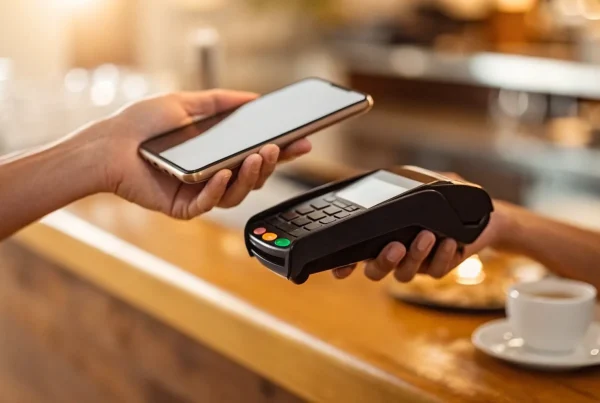
Let’s be honest: the payment processing industry doesn’t always have the best reputation. Many business owners are tired of confusing statements, surprise fees, and customer support that disappears when you need it most. But accepting card payments is non-negotiable, so you’re stuck, right? Not at all. Finding a transparent, reliable partner is possible when you know what to look for. This guide is your roadmap to avoiding the common frustrations and pitfalls. We’ll walk you through every step, showing you how to find a provider you can trust and how to open a merchant account online without getting locked into a bad deal.
Key Takeaways
- Organize Your Paperwork First to Speed Up Approval: The most common reason for a delayed application is missing or inaccurate information. Gather your business license, EIN, and bank details before you apply to ensure a smooth and fast underwriting process.
- Choose a Partner, Not Just a Processor: The cheapest rate isn’t always the best deal. Look for a provider that offers real value through reliable customer support, strong security features, and seamless integrations with the tools you already use.
- Be Transparent to Build Trust: Underwriters assess risk by reviewing your application, credit history, and business model. Being upfront and accurate with all your information helps them see you as a reliable partner and is the best way to handle potential roadblocks like a high-risk classification.
What Is a Merchant Account (and Why Do You Need One)?
Let’s start with the basics. A merchant account is a special type of business bank account that allows you to accept and process electronic payments, like credit and debit cards. Think of it as the essential link between your customer’s bank and your business bank account. When a customer pays with a card, the money doesn’t just magically appear in your account; it first goes through your
If you plan to accept card payments—whether online, in-person, or over the phone—you absolutely need one. While some payment service providers bundle this into their offerings, a dedicated merchant account gives you more control, better rates, and a direct relationship with your payment processor. It’s the backbone of modern commerce, ensuring you get paid quickly and securely. Without it, you’re essentially limited to cash and checks, which can turn away a huge number of potential customers who prefer the convenience of paying by card.
How Does It Actually Work?
The process might sound technical, but it’s pretty straightforward once you break it down. When a customer taps, swipes, or enters their card details, the transaction information is sent through a payment gateway. This gateway securely checks with the customer’s card issuer (like Visa or Mastercard) to make sure they have sufficient funds.
Once the transaction is approved, the funds are captured. Your merchant account then holds this money temporarily before transferring it into your regular business bank account. This entire process is designed to be fast and secure, with the funds typically landing in your account within one to two business days. Getting a merchant account set up is a foundational step to making this seamless payment flow a reality for your business.
The Key Benefits for Your Business
Opening a merchant account does more than just let you accept cards; it offers real advantages that can help your business grow. First and foremost is improved cash flow. Instead of waiting for checks to clear or dealing with invoicing delays, card payments are deposited directly into your account quickly. This predictability makes managing your finances so much easier.
Beyond that, you’re providing a better customer experience. Shoppers expect the convenience of paying with their preferred method, and not offering card payments can be a dealbreaker. A proper merchant account also comes with enhanced security features, protecting both you and your customers from fraud. It legitimizes your business and shows customers that you’re serious about providing a professional and secure checkout process.
What You’ll Need to Apply for a Merchant Account
Applying for a merchant account is a lot like applying for a business loan—the provider needs to know who they’re partnering with. Getting your paperwork in order before you start will make the whole process feel less like a pop quiz and more like an open-book test. A smooth application helps you get approved faster so you can start accepting payments. To set yourself up for success, you’ll want to gather everything ahead of time. Most providers will ask for information in three main categories: your official business documents, your financial history, and your personal identification. Having these items ready to go shows that you’re organized and serious about your business, which can make a great first impression on your potential payment processor. Let’s break down exactly what you’ll need.
Your Business Documents
First up, you’ll need to prove your business is a real, operating entity. This is where your official documents come in. You should have your legal business name, address, and phone number handy. You’ll also need your business license and your Employer Identification Number (EIN), which is like a Social Security number for your company. If you don’t have an EIN yet, you can apply for one for free on the IRS website. Finally, have your business bank account details (routing and account numbers) ready for where you want your funds deposited. Gathering these items confirms your business’s credibility.
Your Financial Information
Next, the provider will want to get a sense of your business’s financial health. This helps them understand the level of risk involved and determine the right terms for your account. Be prepared to share details about how long you’ve been in business and potentially provide some financial statements, like a profit and loss report. If your business is brand new, don’t worry—many providers work with startups. They just need a clear picture of your financial situation and sales estimates. This step isn’t about judging your past performance; it’s about building a transparent and sustainable partnership with your payment processor.
Your Personal ID
Because you are the one opening the account on behalf of your business, the provider will need to verify your identity, too. This is a standard security measure. You’ll be asked to provide your full name, home address, and Social Security number. As part of the underwriting process, the provider will run a personal credit check. This is a normal step for almost any financial service application. It helps the processor confirm you are who you say you are and gives them a better understanding of your financial responsibility as the business owner. Think of it as the final piece of the puzzle to establish trust.
How to Open a Merchant Account: A Step-by-Step Guide
Ready to start accepting credit and debit cards? Opening a merchant account might seem like a complicated task, but it’s really just a series of straightforward steps. Think of it as a formal introduction between your business and the payment processing world. We’ll walk through the entire process together, from choosing a partner to running your first transaction. With the right information and a little preparation, you’ll be set up to take payments in no time.
Step 1: Compare Your Provider Options
Before you jump into an application, take some time to look at different providers. While they all help you accept payments, they aren’t created equal. Look beyond the advertised rates and consider the entire fee structure, including monthly fees, transaction costs, and any potential hidden charges. Pay close attention to contract terms, like early termination fees. You’ll also want to find a partner that offers excellent customer support and integrates smoothly with the tools you already use. A good provider will be transparent about their payment processing fees and help you find a solution that fits your business model, whether that’s traditional processing or a cash discount program.
Step 2: Fill Out the Application
Once you’ve picked a provider, it’s time to fill out the application. This is where you’ll provide all the key details about your business. Be prepared to share your legal business name, address, and phone number, along with your federal Employer Identification Number (EIN). If you don’t have an EIN yet, you can apply for one online through the IRS. You’ll also need to provide personal information for the business owner(s), including your Social Security number for identity verification and a standard credit check. Make sure every detail is accurate to keep the process moving smoothly.
Step 3: Submit Your Documents
Next, you’ll need to provide some documents to verify the information on your application. It’s a great idea to gather these ahead of time so you’re ready to go. Most providers will ask for a copy of your government-issued photo ID, a voided check from your business bank account (this is where your funds will be deposited), and your business license or articles of incorporation. You may also need to provide the last three to six months of your business bank statements. If you’re switching from another processor, having a few recent processing statements on hand can also be helpful.
Step 4: The Underwriting and Approval Process
After you submit everything, your application goes to the underwriting team. This is the risk assessment stage where the provider reviews your business to make sure it meets their criteria. The underwriter will look at your industry, your processing history (if you have one), your business’s financial stability, and the owner’s personal credit history. This step is standard practice for any financial service and protects both you and the provider. For most low-risk businesses, underwriting can be completed in a day or two. For businesses in high-risk industries, it may take a bit longer as the team does a more thorough review.
Step 5: Get Set Up to Take Payments
Congratulations, you’re approved! Once you get the green light, your provider will send over your Merchant ID (MID) and help you get everything set up. This final step involves connecting your payment processing service to your equipment. If you have a physical store, you’ll set up your POS system or terminal. For online businesses, you’ll integrate the payment gateway into your website’s checkout page. Before you go live, it’s always a good idea to run a small test transaction to confirm that everything is working perfectly. Now you’re officially ready to start accepting card payments and growing your business.
Understanding Merchant Account Fees
Let’s talk about the part that makes most business owners nervous: the fees. It’s easy to get overwhelmed by different pricing structures and line items, but understanding the costs is the first step to finding a partner who is transparent and fair. When you know what to look for, you can confidently compare providers and spot any red flags. Most merchant account fees fall into three main buckets: the regular monthly costs, the small fee you pay on each transaction, and other charges that might pop up from time to time.
A great provider will walk you through their fee structure without making you feel like you need a finance degree to understand it. The goal isn’t just to find the cheapest option, but to find the best value with clear, predictable pricing. Hidden fees and confusing statements are a major headache for small businesses, so finding a processor who prioritizes transparency is key. Let’s break down exactly what you can expect to see, so you can ask the right questions and choose a merchant account that truly works for your bottom line.
Setup and Monthly Fees
First up are the recurring fees you’ll see just for keeping your account active. Some providers charge a one-time setup fee to get your account established. After that, you’ll likely have some sort of monthly or annual cost. This could be a simple monthly statement fee or an annual fee for account maintenance, which often runs between $99 and $199. Some processors also have a monthly minimum fee, which means if you don’t process a certain volume of sales, you’ll be charged a small fee to make up the difference. Be sure to ask any potential provider for a full list of their monthly and annual charges.
Per-Transaction Fees
In addition to your monthly costs, you’ll pay a small amount for every sale you process. These per-transaction fees are typically a small, fixed amount, often somewhere between 10¢ and 30¢. This fee is charged on top of the percentage-based processing rate. While a few cents might not sound like much, it’s important to factor this into your budget, especially if you run a business with a high volume of small-ticket sales. Understanding the different payment processing pricing models can help you see exactly how these small charges fit into the bigger picture of your overall costs.
Other Potential Charges
Finally, there are a few other charges that can appear on your statement depending on the situation. The most common one is a chargeback fee. If a customer disputes a transaction and you lose the dispute, your provider will charge a fee that can range from $15 to over $100. Another one to watch for is an early termination fee (ETF). If you sign a long-term contract and decide to leave before it’s up, you could be hit with a hefty fee of $300 to $500 or more. This is why it’s so important to read the fine print and understand your provider’s policies on chargebacks and account cancellation.
How Long Does Approval Take?
You’ve gathered your documents, filled out the application, and hit submit. Now comes the part that can feel like a waiting game. So, how long does it actually take to get approved for a merchant account? The honest answer is: it depends. The timeline can range from a few hours to several weeks, based on the provider you choose, the completeness of your application, and the nature of your business.
After you apply, your information goes through a critical review stage called underwriting. This isn’t just a formality; it’s a standard security check where an underwriter verifies your business’s legitimacy, reviews your financial history, and assesses the level of risk associated with your industry. Think of it as a financial background check for your business. This process is designed to protect everyone involved—it protects you from taking on unsustainable risk, it protects the provider from fraud, and it ultimately protects your customers. While some modern payment processors have streamlined this to get you approved in a day or two, it’s smart to plan for a slightly longer wait. Understanding the factors that influence this timeline can help you set realistic expectations and even speed up the process.
Standard Approval Timelines
For many small businesses, especially those in low-risk industries, the approval process can be surprisingly quick. If you’ve submitted a complete application with all the necessary documents, you could get approved in as little as 24 to 48 hours. Some providers even offer same-day approvals for straightforward applications.
However, it’s best to budget a bit more time. A more typical timeframe is anywhere from a few business days to two weeks. This window gives the provider’s underwriting team enough time to perform their due diligence, verify your business legitimacy, and review your financial history. Setting your own expectations for a week-long process is a safe bet that accounts for any minor back-and-forth that might be needed.
What Can Slow Down Your Application?
The most common reason for a delayed approval is an incomplete or inaccurate application. The review, known as the underwriting process is designed to protect both you and the provider from potential fraud, so every detail matters. A simple typo in your business address, a missing signature, or a failure to upload a required document can send your application to the back of the line.
To keep things moving, double-check every field before you submit. Make sure your business name matches your legal documents exactly and that all required paperwork is clear and legible. If the provider requests additional information, respond as quickly as you can. The faster you provide what they need, the faster they can complete their review and get you approved.
A Note for High-Risk Businesses
If your business is considered “high-risk”, you should anticipate a longer and more thorough approval process. This label isn’t a judgment on your business practices; it simply means your industry has a higher potential for chargebacks or fraud. Common examples include subscription services, travel agencies, CBD sellers, and businesses that sell digital products.
Because the financial risk is greater, underwriters will take a closer look at your business model, processing history, and financial stability. This deeper dive can extend the approval timeline to several weeks. The best approach is to be upfront about your business activities and seek out a merchant account provider that specializes in your industry. They’ll understand the nuances of your business and be better equipped to guide you through their specific underwriting requirements.
How to Choose the Right Merchant Account Provider
Once you start looking, you’ll realize there are a lot of merchant account providers out there. While it’s tempting to just compare rates, the cheapest option isn’t always the best fit for your business. A great provider is more than just a processor; they’re a partner in your success. You need someone who understands your industry, offers the right tools, and has your back when you need it.
Think about what matters most for your daily operations. Do you need a system that works seamlessly with your online store? Is top-tier fraud protection a priority? What happens if you run into a technical issue on a busy Saturday? Asking these questions will help you look beyond the processing fees and find a provider that truly supports your business goals. Let’s break down the three most important things to look for.
Top-Notch Security and Fraud Protection
In the world of payments, security is non-negotiable. You’re handling sensitive customer information, and protecting that data is your responsibility. A single data breach can be devastating for a small business. That’s why you should only partner with a provider that takes security seriously. Look for features like advanced fraud detection tools and, most importantly, full compliance with the Payment Card Industry Data Security Standard (PCI DSS). This isn’t just about checking a box; it’s about building trust with your customers and protecting your business from costly fraud.
Seamless Integrations with Your Tools
Your payment processor doesn’t operate in a vacuum. It needs to connect smoothly with the other tools you use to run your business, whether that’s your ecommerce platform, accounting software, or in-store point-of-sale (POS) system. Before you commit, check if the provider offers easy integrations with your existing setup. A system that works together seamlessly saves you time, reduces manual errors, and creates a much better checkout experience for your customers. The last thing you want is to be stuck with a clunky, disconnected system that causes headaches for you and your team.
Real Support When You Need It
When a customer’s payment won’t go through or your system goes down, you can’t afford to wait on hold for hours. Problems with payments can bring your business to a standstill, so reliable and accessible customer support is critical. Look for a provider that offers help when you actually need it. Do they offer 24/7 assistance? Can you reach a real person by phone, or are you stuck with email or a chatbot? A provider that offers around-the-clock support shows they are invested in your success and are ready to help you solve problems quickly.
Common Roadblocks When Applying (and How to Handle Them)
Applying for a merchant account can feel like a big step, and sometimes you hit a few bumps along the way. Knowing what potential hurdles you might face can make the entire process smoother. Think of it as getting a sneak peek at the challenges so you can prepare your answers ahead of time. Most issues come down to risk assessment and paperwork, and a little preparation goes a long way in presenting your business as a reliable partner. Let’s walk through some of the most common roadblocks and how you can handle them with confidence.
Getting Flagged as “High-Risk”
It can be jarring to see your business labeled “high-risk,” but it’s not a personal judgment. Processors use this term for industries with a higher likelihood of chargebacks or fraud. Businesses can be flagged based on their industry (like travel or subscription services), high average transaction amounts, or even a spotty processing history. This designation can lead to higher fees or make it harder to get approved. The best way to handle this is with honesty. Be upfront about your business model and sales volume. If you know you’re in a high-risk industry, look for a provider that specializes in your field.
Meeting Credit History Requirements
Many business owners assume their personal credit is separate from their business, but that’s not always the case when applying for a merchant account. Providers often check both your business and personal credit scores to gauge financial stability. A poor credit history can unfortunately lead to higher processing fees or even an outright denial of your application. Before you apply, it’s a good idea to check your business credit score and your personal one. If you find any issues, be prepared to discuss them. A strong business plan can also help demonstrate your company’s potential and reliability.
Sorting Out Your Paperwork
One of the most common reasons for a delayed application is incomplete or missing paperwork. It’s easy to underestimate just how much documentation is needed, but providers require it to verify your business is legitimate. You’ll typically need your business registration or license, a voided check for the business bank account, and your Employer Identification Number (EIN). To avoid delays, create a checklist of all the necessary documents before you start filling out forms. Scan and save everything in a dedicated folder on your computer so it’s organized and ready to upload when requested.
Other Approval Hurdles
Sometimes, a small detail can cause a big problem. A common trip-up is selecting the wrong Merchant Category Code (MCC). An MCC is a four-digit number that classifies a business by the type of goods or services it provides. Using the wrong code can lead to higher processing rates or even cause customer transactions to be declined because the bank flags it as unusual activity. Take the time to find the most accurate Merchant Category Code for your business. If you sell a mix of products or services and aren’t sure which one to choose, ask your payment provider for guidance. Getting it right from the start prevents headaches later.
Busting Common Merchant Account Myths
The world of merchant accounts can feel complicated, and a lot of misinformation doesn’t help. Let’s clear the air and tackle some of the most common myths you might hear. Understanding the truth can help you make a much more confident decision for your business and find a partner you can trust.
Myth: “My business is too small.”
This is one of the most common misconceptions that holds entrepreneurs back. The truth is, businesses of all sizes—from solo Etsy sellers to bustling local cafés—can and should have a merchant account. Accepting credit and debit cards isn’t just for large corporations; it’s a fundamental way to serve your customers and build credibility. In fact, offering card payments can make your small operation appear more professional and established. Don’t let your size stop you from accessing the tools you need to grow your business. A full merchant account is accessible and essential, no matter how small you’re starting out.
Myth: “The fees are always confusing.”
We’ve all seen statements that look like they require a decoder ring to understand. While it’s true that some providers have complex and confusing fee structures, it’s not a universal rule. A reputable payment processor will prioritize transparency. They should be able to walk you through every single fee on your statement without hesitation. At MBNCard, we believe in clarity, which is why we offer straightforward options like our cash discount program, designed to make your costs predictable and easy to manage. The right partner will work to demystify your fees, not hide them in the fine print.
Myth: “It’s impossible to switch providers.”
Feeling stuck in a contract is a valid concern, but the idea that it’s impossible to switch is definitely a myth. The payment processing industry is competitive, and many providers are eager to earn your business. If you’re unhappy with your current service, it’s always worth exploring your options. Many providers will even help you handle the transition, and some may offer to help cover any early termination fees from your old contract. The key is to review your current agreement and have an open conversation with potential new partners about how they can make the switch seamless for you.
Myth: “Approval is a sure thing.”
Submitting an application doesn’t guarantee automatic approval. Opening a merchant account involves an underwriting process where the provider assesses your business’s risk. Factors like your industry, credit history, and how long you’ve been in business all play a role. For example, your business is assigned a Merchant Category Code (MCC) that identifies your industry, and this code can influence approval rates. The best way to ensure a smooth process is to provide complete and accurate information on your application. A good provider will guide you through the requirements and help you present your business in the best possible light.
Mistakes to Avoid When You Apply
Applying for a merchant account can feel like you’re just checking boxes, but moving too quickly can lead to delays or, worse, getting locked into a bad deal. A little extra attention upfront can save you a ton of headaches down the road. The underwriting process is all about assessing risk, and your application is the primary tool the provider uses to do that. They’re looking for a clear, complete, and accurate picture of your business. An underwriter’s job is to protect the processor from financial loss, so they scrutinize every detail for potential red flags. Inconsistencies, missing information, or a business description that doesn’t quite add up can all lead to a “no.”
Think of it this way: you’re not just filling out a form; you’re starting a financial partnership. The goal is to find a provider who understands your business and offers a fair, transparent service. Rushing the application can send the wrong signals. By avoiding a few common missteps, you can present your business professionally, speed up your approval, and ensure you end up with a payment processing solution that truly works for you. Let’s walk through the four biggest mistakes business owners make and how you can steer clear of them.
Leaving Your Application Incomplete
Think of your application as the first impression you make on a potential financial partner. An incomplete or inaccurate form is an immediate red flag for underwriters. It can signal disorganization or, in some cases, an attempt to hide something. As Stripe’s guide on how to get a merchant account notes, “Being accurate and complete with your application and documents can help speed up the approval process.” Every blank field or questionable answer is a reason for the underwriting team to pause your application and ask for more information, which adds days or even weeks to the timeline. Before you hit submit, do a final review of every single field to make sure it’s filled out correctly.
Choosing a Provider Based Only on Price
It’s tempting to grab the lowest transaction rate you see and call it a day, but that’s often a costly mistake. A rock-bottom rate can easily be offset by high monthly fees, outdated equipment costs, or terrible customer service that leaves you stranded during a crisis. The best payment processor is a partner that provides value, not just a cheap rate. When you compare merchant services, look at the entire fee structure, the quality of their support, the security features they offer, and how easily their systems integrate with the tools you already use. A slightly higher rate from a reliable provider is always better than a low rate from one that will let you down.
Skipping the Fine Print
I get it—nobody enjoys reading long contracts filled with legal jargon. But your merchant agreement is one document you absolutely cannot afford to skim. This is where providers outline all the terms of your service, including the fees that aren’t advertised on the front page. As Shopify points out, you need to “carefully compare all fees from different providers, including hidden fees like cancellation fees, PCI non-compliance fees, and equipment rental costs.” If you don’t understand what PCI compliance is or what triggers an early termination fee, you could be in for a nasty surprise. Don’t be afraid to ask your sales representative to explain any part of the contract that isn’t crystal clear.
Using the Wrong Business Classification
When you apply, the provider will assign your business a Merchant Category Code (MCC). This four-digit number tells card networks what kind of products or services you sell, which helps them assess risk. Using the wrong classification can cause serious problems. As one guide explains, “The MCC code used for your business can impact the approval rate for your transactions (the wrong MCC code can result in more declined transactions).” This means legitimate customer payments could be rejected, leading to lost sales and frustration. Be as specific and accurate as possible when describing your business on the application to ensure you’re assigned the correct Merchant Category Code from the start.
Related Articles
- Credit Card Processors for Small Business | MBN Card Services
- Top 10 Questions to Ask Merchant Credit Card Processors
- HOW TO APPLY – MBNCARD, Inc.
- How Modern Restaurant Point of Sale Systems Can Help Save You Money
Frequently Asked Questions
What’s the difference between a dedicated merchant account and services like PayPal or Square? That’s a great question because it gets to the heart of how payment processing works. Services like PayPal or Square are often called payment aggregators, which means they group many small businesses under one large, shared merchant account. A dedicated merchant account, on the other hand, is an account that is established specifically for your business. This gives you a direct relationship with the processor, which often leads to more stable service, better rates as your sales grow, and a dedicated support contact who understands your business.
My business is brand new. Can I still get approved without a long sales history? Absolutely. Every established business was a startup once, and payment processors understand that. While having a processing history can help, it’s not a requirement. For new businesses, underwriters will look at other factors to assess your application, such as your personal credit history, a solid business plan, and realistic sales projections. They just want to see that you have a clear vision and are setting yourself up for success.
Why does my personal credit score matter for a business account? This is a common point of confusion. When you open a merchant account, especially for a new or small business, the provider is taking on a financial risk. Since your business doesn’t have its own long track record of financial stability, underwriters look to your personal credit history as an indicator of your financial responsibility. Think of it as a character reference that shows you have a history of managing financial commitments well.
What happens if my application is denied? A denial can be discouraging, but it’s rarely a permanent dead end. The first thing you should do is ask the provider for the specific reason your application was rejected. Often, it’s due to a simple issue like incomplete paperwork, a mistake on the application, or a low credit score. Once you know the reason, you can take steps to fix it, whether that means providing more documentation or working on your credit before reapplying.
Can I use the same merchant account for my online store and my physical location? Yes, and this is exactly what you should aim for with a good provider. A quality payment processor can set you up with an integrated solution that connects your e-commerce sales and your in-person transactions to the same merchant account. This makes your bookkeeping so much simpler because all of your funds are settled into one place, and you can see all of your sales data in a single, unified report.