Take a look at your last merchant statement. That percentage you paid in processing fees represents thousands of dollars over the course of a year that could have been reinvested into your business. What if you could get that money back? With the right pricing strategy, you can. Dual pricing and cash discount programs are designed to shift the cost of card acceptance, effectively eliminating this major expense from your budget. This isn’t about finding small savings; it’s about fundamentally changing your profitability. We’ll compare the financial impact of the dual pricing vs cash discount credit card options to show you exactly how much you can save.
Key Takeaways
- Know the core difference in pricing: Dual pricing presents two distinct prices upfront for every item, one for card and one for cash. A cash discount program lists one standard price and applies a reduction at checkout for customers who choose to pay with cash.
- Clear communication is non-negotiable: To stay compliant and keep customers happy, you must be transparent. Use simple, clear signage at your entrance and register to explain your pricing policy, ensuring there are no surprises at checkout.
- Choose the model that fits your customers: The right program depends on your specific business and clientele. Consider whether your customers would respond better to seeing two prices from the start or to receiving a reward for using cash, as this will determine a smooth and successful rollout.
How Does Dual Pricing Work?
Dual pricing is a straightforward way to manage credit card processing fees by offering customers two prices for every item or service. Think of it as giving your customers a choice: one price for paying with a card and a slightly lower price for paying with cash. This model is all about transparency. Instead of absorbing credit card fees or adding a surprise surcharge at the end of a transaction, you build the cost of card acceptance into your standard pricing from the start.
This approach allows you to offset your processing expenses without hiding them in your overall costs. By clearly displaying both options, you empower customers to select the payment method that works best for them. For many business owners, the constant drain of processing fees can feel like an unavoidable cost of doing business. Dual pricing flips that script. It reframes the conversation around payment costs, making it a shared choice between you and your customer. It’s not about penalizing card users; it’s about rewarding cash users and giving everyone clarity on where their money is going. This method helps you protect your profit margins on every single sale, which is especially critical for small and mid-sized businesses where every dollar counts.
Understanding the Mechanics
At its core, dual pricing works by establishing the credit card price as the standard shelf price for your products or services. This price includes the cost of processing a card transaction. You then offer an immediate discount to any customer who chooses to pay with cash. This isn’t a penalty for using a card; it’s a reward for using cash.
The key is that you clearly post the higher card price and then present the cash price as a visible discount. For example, a coffee that costs $5.00 for card payments might be offered at $4.85 for cash payments. This model is a compliant way to handle transaction fees because the card price is the default, and the cash payment is a genuine discount from that standard price. This clear pricing strategy helps you cover your costs while giving cash-paying customers a nice little incentive.
What Your Customers See at Checkout
With a dual pricing program, transparency is everything. Your customers see both prices upfront, so there are no surprises when it’s time to pay. Whether it’s on your menu, on the price tag, or on your POS system’s screen, both the card price and the cash price are clearly displayed. This clarity puts the choice directly in their hands.
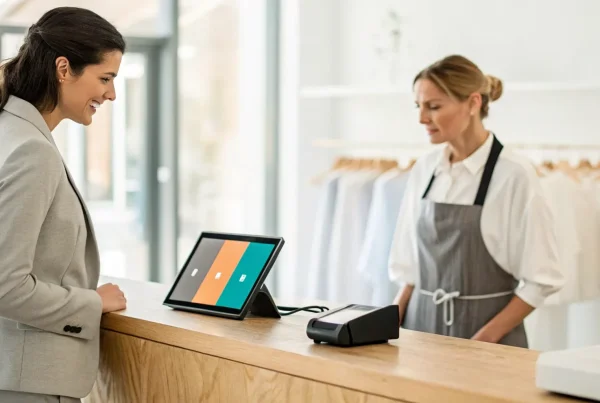
When a customer reaches the checkout counter, they can see the two options and decide for themselves. If they prefer the convenience of a credit card, they pay the standard price. If they’d rather save a little and pay with cash, they receive the discounted price. This upfront communication is crucial for maintaining trust and a positive customer experience. It avoids the negative feeling of a last-minute fee and instead frames the choice as an opportunity for them to save money.
How Do Cash Discount Programs Work?
A cash discount program is a straightforward way for your business to manage credit card processing fees. Instead of absorbing these costs yourself, the program adjusts your pricing to account for them. You set a single price for all your goods and services, which is the price customers pay when using a credit card. Then, you offer an immediate discount to anyone who chooses to pay with cash.
This approach frames the incentive as a reward for paying with cash, not a penalty for using a card. For your business, it means your processing fees are covered by the customers who create them, which can significantly reduce or even eliminate this major expense. It’s a transparent model that gives customers a clear choice while protecting your bottom line.
The Basics of Cash Discounts
Think of a cash discount program as a simple operational shift. You start by setting your shelf prices to include the cost of accepting credit cards. When a customer checks out, your point-of-sale system automatically applies a discount if they pay with cash. For example, if a coffee is priced at $4.15, a customer paying with a card pays that amount. A customer paying with cash, however, gets a discount and pays only $4.00. This method allows you to offset your processing costs without touching your base revenue, making your income more predictable and stable.
Cash Discount vs. Surcharging: A Key Distinction
It’s important to understand that cash discounts and surcharges are not the same thing. A surcharge is an extra fee added at the register when a customer uses a credit card. With surcharging, the shelf price is the cash price. A cash discount program works the other way: the shelf price is the card price, and you offer a reduction for cash payments. This might seem like a minor difference, but it matters for customer perception and legal compliance. Customers generally respond better to getting a discount than to being charged an extra fee. More importantly, while surcharging is restricted in some states, cash discount programs are permitted in all 50 states, making them a universally compliant option for businesses.
Dual Pricing vs. Cash Discount: What’s the Difference?
While both dual pricing and cash discount programs aim to help you lower credit card processing fees, they work in slightly different ways. The main distinction comes down to how you present prices to your customers and the overall experience at checkout. Understanding these differences is the first step in deciding which model fits your business best. Let’s break down how each one operates from both your perspective and your customer’s.
How Prices Are Displayed
The most visible difference between these two models is on your price tags, menus, and terminal screen. With a dual pricing model, you present two prices for every item upfront: a slightly higher price for card payments and a lower price for cash payments. For example, a menu might list a sandwich as “Card: $10.00 / Cash: $9.65.” This approach is completely transparent, as the customer sees both options before they even get to the register.
A cash discount program works a bit differently. You advertise the cash price for your goods and services. Then, if a customer chooses to pay with a card, a service fee is added at the checkout to cover the processing cost. To stay compliant, you must have clear signage explaining this policy to your customers.
The Impact on Customer Experience
How your customers feel about your pricing structure can directly influence their loyalty. Dual pricing often creates a smoother experience because it frames the choice as a reward. Customers see they can get a discount by paying with cash, which feels like a positive incentive. They are empowered to choose the payment method that works best for them, with all the information laid out from the start.
On the other hand, a cash discount program can sometimes cause friction if it isn’t communicated perfectly. A customer might see the menu price, decide on their purchase, and then feel surprised when the total is higher at the register because they used a card. While perfectly legal and effective, this model relies heavily on excellent communication to prevent customers from feeling like they were charged an unexpected fee.
What You Need to Get Started
Getting set up with either program is straightforward, but you’ll want to consider a few things first. If your business sees a high volume of transactions and your monthly card fees are cutting into your profits, either model could be a great fit. Dual pricing is often a simple switch, especially if your average transaction is under $500. The key is having a POS system or credit card terminal that can support the technology and clearly display both prices.
For a cash discount program, your main priority is compliance. You’ll need the right signage and a payment system that correctly applies the service fee to non-cash transactions. No matter which path you choose, partnering with a payment provider who understands the rules is essential. We can help you get the right technology and understand your processing statements to ensure you’re set up for success.
Weighing the Pros and Cons of Each Model
Choosing between dual pricing and a cash discount program comes down to understanding the unique benefits and potential hurdles of each. Both can significantly reduce your processing fees, but they approach pricing and customer communication from slightly different angles. Let’s break down what you can expect from each model so you can decide which one feels like the right fit for your business and your customers.
Dual Pricing: Advantages and Challenges
The biggest advantage of dual pricing is its directness and potential for major savings. By presenting both a card price and a lower cash price, you effectively eliminate your processing fees on every card transaction. For a business processing $50,000 in card sales each month, this can add up to between $12,000 and $17,000 in annual savings. Many business owners also appreciate that this model isolates the cost of card processing to the customers who choose that payment method.
The main challenge is customer perception. Some shoppers might see the higher card price as a penalty for not using cash. However, this can be easily managed with clear, friendly signage that explains your pricing. A simple sign at the register explaining why you offer two prices can make all the difference in maintaining a positive customer experience.
Cash Discounts: Advantages and Challenges
A cash discount program frames the conversation in a more positive light. Instead of a higher price for cards, you’re offering a reward for paying with cash. This simple shift in language can feel more appealing to customers. The financial benefits are just as impressive, with many businesses saving 70% to 90% on their processing fees. It’s an effective way to encourage cash payments while still accommodating customers who prefer to pay by card.
The primary consideration here is compliance. Regulations require you to clearly display the standard price (the card price) and advertise the lower price as a discount for cash payers. Just like with dual pricing, transparent communication is key. As long as your pricing is clearly marked at the point of sale, you can implement a cash discount program smoothly and effectively.
How Each Program Affects Your Bottom Line
Both dual pricing and cash discount programs are designed to do one thing: protect your profit margins from unpredictable processing fees. With dual pricing, you post the higher card price as standard, ensuring your baseline revenue covers all transaction costs. With a cash discount, you advertise the regular price and offer a reduction for cash, which incentivizes fee-free transactions.
Ultimately, both paths lead to the same destination: you no longer have to absorb the cost of credit card acceptance. The money you save drops directly to your bottom line, freeing up capital for inventory, marketing, or other growth initiatives. The choice isn’t about which one saves more money, but about which communication style best suits your brand and customer relationships.
Staying Compliant: Legal Rules to Know
Implementing a dual pricing or cash discount program can be a smart move for your business, but it’s not as simple as just changing your prices. To do it right and protect your business, you need to follow a specific set of rules. These guidelines aren’t meant to be complicated; they’re in place to make sure pricing is transparent and fair for your customers. Think of it as building trust. When customers understand why they see two different prices, they’re more likely to appreciate the savings you’re offering.
Staying compliant means you can confidently offer these pricing models without worrying about potential fines or penalties from card brands or government agencies. It’s all about being upfront and clear, which is just good business practice. The legal side of these programs can feel a bit overwhelming at first, but breaking it down into federal, state, and card brand rules makes it much more manageable. Each layer of regulation has the same core goal: protecting consumers from deceptive practices. By getting your compliance in order from the start, you set a solid foundation for your new pricing strategy and avoid any headaches down the road. This proactive approach not only keeps you out of trouble but also reinforces your reputation as a trustworthy merchant in your community.
Federal Regulations to Follow
At the federal level, the main focus is on transparency. Regulations are in place to ensure you aren’t misleading your customers. For both dual pricing and cash discount programs, you must clearly communicate your pricing structure. This means you can’t hide the credit card price or surprise a customer with an extra fee at the last minute. The goal is to give your customers all the information they need to make an informed payment choice. By being transparent, you not only comply with federal guidelines but also show your customers that you value honesty. This straightforward approach helps prevent customer confusion and builds a stronger, more trusting relationship with them.
Navigating State-Specific Laws
This is where things can get a little more detailed. State laws on pricing programs vary quite a bit, and they can change over time. For example, some states have strict rules or outright bans on traditional credit card surcharges. While cash discounts and dual pricing are legally distinct from surcharges, it’s essential to understand your local landscape to avoid any issues. Before you launch a new pricing program, take the time to check the specific regulations in your state. Working with a knowledgeable payment provider can be a huge help here, as they can guide you through the requirements specific to your location and ensure your setup is fully compliant from day one.
Following Card Brand Rules
On top of government regulations, you also have to follow the rules set by the major card brands like Visa, Mastercard, and American Express. Each company has its own compliance standards for merchants who accept their cards. For dual pricing, a key rule is that you must display both the cash price and the credit price clearly on every item, shelf tag, and menu. The credit card price is considered the standard list price. These card brand rules are non-negotiable, and failing to follow them can lead to penalties. Ensuring your signage and point-of-sale system are set up correctly is a critical step in rolling out your program successfully.
Seeing It Through Your Customers’ Eyes
Switching up your pricing model is a big decision, and while the numbers might make perfect sense for your bottom line, it’s crucial to think about how your customers will perceive the change. After all, a pricing strategy that saves you money but drives away customers isn’t much of a strategy at all. The key is to implement your new program in a way that feels fair and transparent. When customers understand the “why” behind the change and feel they have a choice, they are far more likely to adapt without issue. Putting yourself in their shoes will help you communicate the transition smoothly, keeping your customer relationships strong while you enjoy lower processing fees.
Which Method Do Customers Prefer?
Honestly, there isn’t one single answer here, because what customers really prefer is clarity. They don’t like surprises at the register. Both dual pricing and cash discount programs can be successful as long as they are communicated clearly. Dual pricing lays everything out by presenting a card price and a cash price from the start. This transparency empowers customers to make an informed choice based on their payment preference. A cash discount program can be just as effective when it’s framed as a reward for paying with cash. As long as the pricing is straightforward and easy to understand, most customers will appreciate the option to save money.
How It Influences Buying Behavior
Implementing one of these programs can gently guide your customers’ payment habits. When people see a direct financial incentive to pay with cash, it often influences their behavior at the checkout counter. Dual pricing makes the cost associated with credit card processing visible, which might encourage a customer to pull out their debit card or cash to get the lower price. Cash discount programs can also improve your profit margins by encouraging more cash transactions. Over time, this shift can lead to significant, sustained savings for your business as fewer transactions incur processing fees. It’s a simple way to reduce costs without raising your base prices across the board.
Tips for Communicating the Change
How you introduce your new pricing structure is everything. First, be upfront with clear and simple signage at your entrance and point of sale. No one likes feeling caught off guard. Next, make sure your team is prepared to explain the policy. They should be able to confidently tell customers that this program helps the business keep overall prices competitive by managing high credit card fees. Finally, it’s essential to follow all the rules set by the credit card brands on how prices are displayed. This not only keeps you compliant but also reinforces trust and shows your customers you’re being transparent.
Clearing Up Common Misconceptions
When you’re thinking about changing your pricing structure, it’s easy to get tangled up in myths and misinformation. Let’s clear the air on a few common concerns about dual pricing and cash discount programs. These programs are powerful tools for managing your processing fees, but it’s important to separate fact from fiction so you can make a confident decision for your business.
The truth is, when implemented correctly with a trusted partner, these programs are straightforward, compliant, and customer-friendly. They are designed to give you more control over your revenue without creating headaches for you or your customers. Let’s walk through some of the biggest myths and get you the right information.
Myth: “These programs are illegal.”
This is one of the most persistent myths, but it’s also the easiest to debunk. Let’s be clear: dual pricing is not illegal. In fact, dual pricing is legal in all 50 states. The key is to follow the rules set by the major card brands, like Visa and Mastercard. Their main requirement is transparency. You must clearly display both the card price and the cash price for each item at the point of sale. As long as you’re upfront with your customers about the two pricing options, you are operating well within the legal guidelines.
Myth: “My customers will be confused.”
Any change can feel a little strange at first, but confusion usually comes from poor communication, not the program itself. Some merchants worry that cash discount programs can sometimes leave customers confused if they aren’t explained well. This is why dual pricing is often a clearer path. By displaying both prices on your shelves, menus, and at the register, you give customers all the information they need upfront. There are no surprises at checkout. With simple, clear signage explaining that you offer a discount for cash payments, you empower customers to choose the option that works best for them.
Myth: “It’s too complicated to set up.”
Getting started with a new payment model might sound like a huge project, but it’s much simpler than you think. The right payment technology does all the heavy lifting for you. Modern POS systems and credit card terminals are designed to handle dual pricing automatically. Once programmed, your system will apply the correct price based on the payment method used. The core idea is simple: you post the higher card price and offer a discount for cash. With a provider like MBN Crad, we handle the technical setup, provide the right equipment, and make sure your team is trained and ready to go.
Which Program Is Right for Your Business?
After learning the ins and outs of both dual pricing and cash discount programs, it’s time to figure out which one fits your business. There’s no single right answer, but by looking closely at your operations, sales, and customers, you can make a smart choice that saves you money without alienating your clientele. Let’s walk through the three key areas you should examine to find the perfect fit.
Consider Your Business Type
First, think about your day-to-day operations. Are you a coffee shop with a long line every morning, or a boutique where customers browse? Dual pricing gives customers a clear choice between a card price and a cash price right at the register. This flexibility can be great for businesses that want to gently encourage cash payments while still making card payments simple. A cash discount program, where all prices include the processing fee and cash payers get a discount, might feel more straightforward in a fast-paced environment. Service-based businesses, like auto repair shops, might also find one model feels more natural for their invoicing.
Analyze Your Transaction Volume
Next, let’s talk numbers. How much do you process in credit card sales each month? The higher your volume, the more you stand to save. For example, a business processing $50,000 a month in card sales could save between $12,000 and $17,000 a year with a program like dual pricing. These are significant savings that can be reinvested into your business. If your transaction volume is lower, the savings will be smaller but still impactful. Pull up your recent merchant statements and calculate what you’re currently paying in fees to see how much you could save.
Know Your Customer Base
Finally, and most importantly, think about your customers. Who are they, and how do they prefer to pay? Understanding your customer base is essential because their perception will determine the program’s success. Some customers are loyal to their credit card rewards and will happily pay the card price for convenience and points. Others are more price-sensitive and will jump at the chance to save money by paying with cash. A cash discount program can really improve your profit margins, but it works best when your customers see the value. If you’re unsure, you could poll a few regulars to get their thoughts.
Related Articles
Frequently Asked Questions
What’s the simplest way to understand the difference between dual pricing and a cash discount? Think of it like this: with dual pricing, every item has two prices listed right on the tag or menu, one for card and one for cash. Your customer sees both options from the start. With a cash discount program, you display one standard price (the card price), and then you offer a discount at the register if the customer chooses to pay with cash. The main difference is how the prices are presented to your customer.
Are these programs actually legal and compliant? Yes, both dual pricing and cash discount programs are legal in all 50 states, as long as you follow the rules. The most important rule is transparency. You must clearly communicate your pricing to customers with proper signage at the entrance and at the point of sale. You also need to follow the specific guidelines set by card brands like Visa and Mastercard, which a good payment provider can help you with.
How do I explain this change to my customers without upsetting them? The key is clear and positive communication. Use simple signs to explain that you offer different pricing to manage high credit card fees and keep your overall prices competitive. Train your staff to frame it as a choice that empowers customers; they can pay with a card for convenience or save a little by paying with cash. When you’re upfront and honest, most customers appreciate the transparency.
How much can my business realistically save with one of these programs? The savings can be significant because you are essentially offsetting most, if not all, of your credit card processing fees. For a business with $50,000 in monthly card sales, this could mean saving over $12,000 a year. The exact amount depends on your sales volume and current processing rates, but the goal of both programs is to protect your profit margins on every transaction.
What’s the first step to setting up a dual pricing or cash discount program? Your first step is to partner with a payment provider who understands these programs inside and out. They will help you determine which model is a better fit for your business and customer base. They will also provide you with the compliant POS system or terminal technology needed to run the program correctly and ensure all your signage meets the necessary legal and card brand requirements.