Trying to pick a credit card terminal can feel like navigating a maze blindfolded. You’re bombarded with options: countertop, portable, mobile, all-in-one POS systems. You see names like Square, Clover, and Zettle everywhere, each promising to be the perfect solution. How do you cut through the noise and figure out what your business actually needs? It’s easy to feel stuck, worried you’ll get locked into a costly contract for a machine that doesn’t fit your workflow. This guide is your clear, straightforward map. We’ll explain the different types of credit card terminals for small business in simple terms, helping you find the right fit without the headache.
Key Takeaways
- Choose Hardware That Fits Your Workflow: The right terminal depends entirely on where you do business. Select a countertop model for a fixed checkout, a portable device for tableside service, or a mobile reader for selling on the go.
- Focus on Essential Features for a Smooth Checkout: Prioritize the functions that improve the customer experience. Your terminal must accept EMV chip cards and contactless payments (like Apple Pay) to ensure every transaction is fast, secure, and convenient.
- Look Beyond the Terminal’s Price Tag: The most significant expense is not the machine but the ongoing processing fees. Partner with a provider who offers transparent pricing to understand the true cost and protect your bottom line from hidden charges.
What Is a Credit Card Terminal (and Why You Need One)
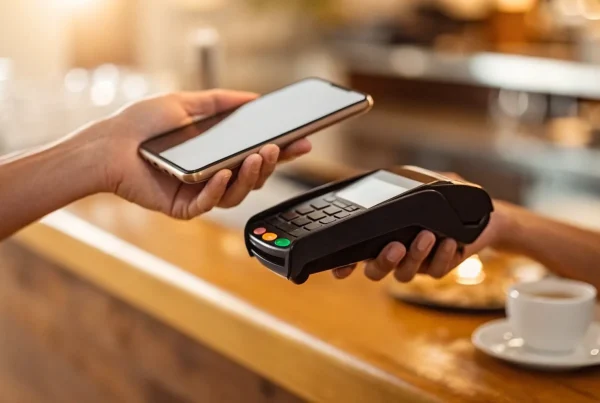
Think of a credit card terminal as the handshake between your customer’s bank and your business account. It’s the physical device that securely reads payment information from a credit card, debit card, or mobile wallet and kicks off the transaction process. Whether your customer wants to swipe, insert an EMV chip, or tap to pay, the terminal is what makes it happen. It’s a simple piece of hardware that plays a huge role in your daily operations.
So, why is it a must-have? The short answer is that your customers expect it. Fewer people carry cash these days, and the convenience of paying with a card is a standard part of the shopping experience. If a customer walks in ready to buy but you can only accept cash, you risk losing that sale—and potentially that customer for good. Offering card payments isn’t just a feature; it’s a fundamental way to simplify your payment process and meet modern consumer demands.
Beyond just capturing more sales, a reliable terminal makes your checkout faster and more professional. It reduces the chance of human error from handling cash and provides a quicker, smoother experience for everyone. But the terminal itself is only half the equation. The device is powered by a payment processor, and choosing the right one is critical. Your provider determines your transaction fees, how quickly you receive your funds, and your security compliance. The wrong partner can introduce a host of credit card processing challenges, from hidden fees to unreliable support, which is why it’s so important to look at the full picture, not just the hardware.
Choosing the Right Type of Credit Card Terminal
Before you can start accepting credit cards, you need the right hardware for the job. But with so many options out there, how do you pick the perfect one? The best credit card terminal for your business comes down to one simple question: where do you meet your customers? Your answer will point you toward the right type of machine.
Think about your daily operations. Do customers always come to a checkout counter? Do you need to bring the payment option to their table? Or are you constantly on the move, selling at markets, festivals, or clients’ homes? Each scenario calls for a different kind of terminal. Getting this choice right from the start makes your checkout process smoother for both you and your customers, which is a win-win for everyone.
We can group most credit card terminals into three main categories: countertop, portable, and mobile. Each is designed for a specific business environment. Let’s break down what makes each one unique so you can feel confident you’re choosing the right tool to help your business grow.
Countertop Terminals
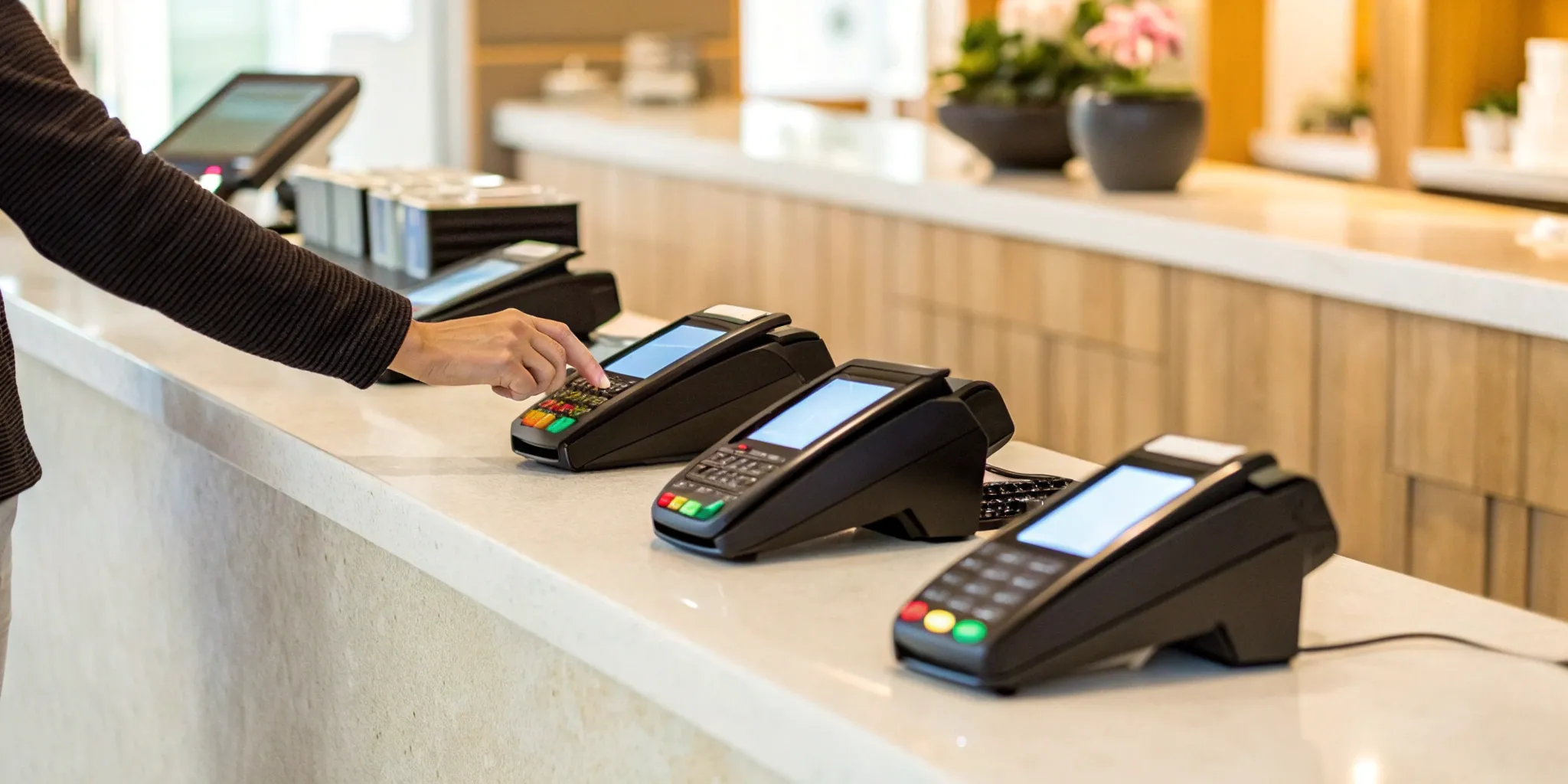
If your business has a dedicated checkout area, a countertop terminal is your reliable workhorse. These are the traditional machines you see in most retail stores, salons, and cafes. They’re designed to stay in one spot, plugged into a power source and a phone or internet line. Because they’re built for stationary use, they are incredibly durable and process transactions quickly, making them perfect for busy retail environments with a steady line of customers. They are a straightforward, no-fuss solution for any business where sales happen at a fixed point.
Portable Terminals
For businesses that need a bit more flexibility, portable terminals are a fantastic option. Think of a bustling restaurant where servers take payments at the table or a garden center where staff helps customers check out in different aisles. These battery-powered devices connect via Wi-Fi, allowing you to take them anywhere within your business premises. This freedom creates a much better customer experience, as customers can pay wherever is most convenient for them without having to walk back to a counter. It’s a simple way to reduce friction and keep things moving smoothly.
Mobile Card Readers
Are you always on the go? Mobile card readers are designed for you. These compact, lightweight devices plug into or connect wirelessly to a smartphone or tablet, turning the device you already own into a powerful payment processor. They are the perfect fit for food trucks, craft market vendors, mobile pet groomers, and any entrepreneur who needs to accept payments outside of a traditional storefront. Since they run on mobile data or Wi-Fi and are battery-operated, you can close a sale just about anywhere, from a client’s driveway to a festival field.
Must-Have Features for Your Credit Card Terminal
When you’re comparing credit card terminals, the options can feel overwhelming. It’s easy to get lost in technical specs and fancy features you might not even need. Instead of trying to find a terminal that does everything, focus on the core functions that will make a real difference in your day-to-day operations. The right machine should make your life easier, not more complicated. It should protect your business and your customers, work seamlessly with the tools you already use, and make the checkout process smooth for everyone involved. Let’s break down the four non-negotiable features every small business owner should look for.
Security and PCI Compliance
First and foremost, your terminal needs to be secure. Protecting your customers’ payment information isn’t just good practice—it’s a requirement. Your terminal must adhere to PCI DSS standards, which are the rules of the road for handling card data safely. Look for terminals with built-in security features like end-to-end encryption and tokenization. These technologies scramble card data the moment it’s captured, making it useless to fraudsters. Strong security is crucial for protecting sensitive customer data, which is the foundation of building and maintaining trust with the people who support your business. Don’t ever compromise on security; the risk simply isn’t worth it.
Flexible Payment Acceptance
Your customers want to pay in whatever way is most convenient for them. A modern terminal should be able to handle it all. This means accepting traditional magnetic stripe cards, more secure EMV chip cards, and contactless payments like tap-to-pay and mobile wallets (think Apple Pay and Google Pay). The last thing you want is to turn away a sale because your equipment can’t process a certain type of card. Offering a variety of payment options ensures a faster, more streamlined checkout experience. This flexibility not only improves customer satisfaction but also future-proofs your business as payment technologies continue to evolve.
POS System Integration
Your credit card terminal shouldn’t operate on an island. For maximum efficiency, it needs to communicate seamlessly with your point-of-sale (POS) system and other business software. When your terminal integrates with your POS, sales data flows automatically into your inventory management and accounting records. This eliminates the need for manual data entry, which saves you a ton of time and reduces the chance of human error. A terminal that works in harmony with your existing systems can significantly improve your operational efficiency. Before you commit, always confirm that the terminal is compatible with the POS software you already use and love.
Simple, User-Friendly Interface
The best technology is the kind you don’t have to think about. Your credit card terminal should have a simple, intuitive interface that both your staff and customers can use with ease. A complicated system slows down checkout lines and creates a frustrating experience for everyone. A user-friendly interface minimizes the learning curve for new employees and helps you process transactions quickly and without errors. The goal is to make paying as effortless as possible. When the process is smooth and straightforward, customers leave happy, and your team can focus on providing great service instead of wrestling with confusing equipment.
Breaking Down Credit Card Terminal Costs
Figuring out the true cost of a credit card terminal isn’t always as simple as looking at the price tag on the machine. The total expense is a mix of one-time hardware costs and ongoing fees that can vary wildly between providers. To make the best choice for your business, you need to look at the complete picture. Some companies might offer a “free” terminal, but they often make up for it with higher transaction rates or long, binding contracts. Others might have a low monthly fee but surprise you with extra charges for things like compliance or customer support.
Understanding these different cost components is the first step to finding a solution that actually saves you money. It helps you ask the right questions and compare providers on a level playing field. Think of it less like buying a product and more like entering a financial partnership. You want a partner who is transparent and whose fee structure aligns with your business’s sales volume and growth. Let’s break down the three main areas where you’ll see costs, so you can avoid surprises and find a terminal that fits your budget.
Upfront Equipment Price
The first cost you’ll encounter is for the physical hardware. This can range from around $25 for a simple mobile card reader that connects to your phone to over $300 for a more advanced countertop terminal with a built-in printer and customer-facing display. Many providers give you the option to either purchase the equipment outright or lease it for a monthly fee. Buying it means you own it, giving you more freedom to switch processors later. Leasing can lower your initial investment, but be sure to read the fine print—you could end up paying more than the device is worth over the life of the contract.
Transaction and Processing Fees
This is where costs can get tricky. For every sale you make, your payment processor will take a small cut. This is usually a combination of a percentage of the transaction amount (typically between 1.5% and 3.5%) and a small fixed fee (like $0.10 to $0.30). These rates depend on the card type, how the payment is accepted (swiped, dipped, or keyed-in), and your provider’s pricing model. While a fraction of a percent might not sound like much, these fees are the most significant ongoing cost and can add up quickly, directly impacting your profitability on every single sale.
Monthly Service and Hidden Fees
Beyond the cost of the machine and the fees on each transaction, you need to watch out for monthly service charges and other hidden costs. Some processors charge a monthly fee for account maintenance, statement preparation, or access to their gateway. You might also see annual fees for PCI compliance or penalties if you don’t meet a monthly processing minimum. These extra charges are often buried in complex contracts and can turn an affordable-looking deal into a financial headache. Always ask for a full schedule of fees so you know exactly what you’re paying for each month.
A Look at Top Credit Card Terminal Providers
With so many options on the market, it helps to see what the top players offer. Each provider has its own strengths, whether it’s all-in-one hardware, flexible plans, or personalized service. Understanding these differences is the key to finding the perfect fit for your business. Let’s look at some of the most popular choices available to small business owners today, so you can feel confident in your decision.
MBNCard Payment Solutions
Here at MBNCard, we do things a little differently. Instead of selling you a single branded device, we act as your payment solutions partner. We start by getting to know your business—how you sell, what you sell, and where you see your company going. From there, we match you with the ideal countertop, portable, or mobile terminal from industry-leading manufacturers that fits your needs and budget. Our focus is on providing transparent, affordable processing and dedicated support. This consultative approach ensures you get a reliable system that works for you, helping you save money and focus on what you do best: running your business.
Square
You’ve likely seen Square’s sleek white terminals at your favorite coffee shop or local boutique, and for good reason. The company is known for its straightforward, user-friendly hardware. The Square Terminal is an excellent all-in-one device that accepts every type of payment and prints receipts from one compact machine. It includes Square’s free point-of-sale software, which is incredibly easy to set up. One of its best features is an offline mode that lets you keep taking payments even if your internet goes down, giving you peace of mind during a busy day. It’s a reliable choice for retailers and service providers who want a simple, integrated system.
Clover
If you’re looking for a system that can grow with you, Clover offers a whole family of devices to fit nearly any business type. Their hardware is designed for flexibility and scalability. For payments on the go, the Clover Go is a small reader that pairs with your phone. For more robust needs, the handheld Clover Flex is perfect for tableside ordering or busting lines in a busy retail store. The compact Clover Mini serves as a powerful countertop point-of-sale. This variety makes Clover’s hardware a smart, scalable option for businesses that expect to expand or have diverse payment needs, from food trucks to full-service restaurants.
PayPal Zettle
If you’re a long-time PayPal user, you might remember PayPal Here. That service has since evolved into PayPal Zettle, which carries on the mission of simple, mobile payments. Zettle is designed for merchants who want a quick and easy way to start accepting in-person payments, especially if they already run their business through PayPal. The system includes a straightforward mobile card reader and a user-friendly POS app that syncs seamlessly with your PayPal Business account. It’s an ideal solution for market vendors, freelancers, and pop-up shops that need a mobile-first payment system without complex hardware or long-term commitments.
SumUp
For new businesses or anyone who loves a simple, no-strings-attached approach, SumUp is a breath of fresh air. The company focuses on a pay-as-you-go model with no monthly fees, which is perfect for businesses with fluctuating sales volumes. Their card readers are stylish, lightweight, and built for life on the move, boasting a long battery life that can handle hundreds of transactions on a single charge. With features like next-day payouts, SumUp removes many of the traditional barriers to accepting card payments. It’s a clean, affordable, and modern solution for entrepreneurs at craft fairs, mobile service providers, or anyone operating outside a traditional storefront.
Which Terminal Is Best for Your Business Type?
The perfect credit card terminal isn’t one-size-fits-all. The right choice depends on how you operate, where you interact with customers, and what your daily transaction flow looks like. Let’s break down the best options for different kinds of small businesses so you can find the perfect match for your needs.
For Retail Stores and Boutiques
If you run a shop with a dedicated checkout counter, a countertop terminal is your reliable workhorse. Since most customers now prefer to pay with cards or their phones, not accepting them means you could be losing sales. A countertop machine stays put at your till, providing a stable and secure point of sale. These terminals are built for high-volume use and connect directly to your power source and internet, so you never have to worry about a dead battery. They are an essential tool for any brick-and-mortar store looking to provide a seamless checkout experience. Investing in a solid retail POS system that pairs with your terminal can further streamline your sales and inventory management.
For Service-Based Businesses
For service-based businesses like salons, auto repair shops, or consulting firms, efficiency is key. You need a payment system that simplifies your workflow, not complicates it. Many businesses struggle with outdated software, which leads to time-consuming manual updates for transaction records. A modern terminal that offers seamless payment integration with your existing accounting or booking software is a game-changer. This helps you avoid errors and ensures your billing is always accurate and up-to-date. Look for a solution that automates record-keeping, allowing you to focus on providing excellent service to your clients instead of getting bogged down by administrative tasks.
For Mobile Vendors and Pop-Ups
Are you always on the move? Whether you’re at a farmers’ market, a craft fair, or running a food truck, you need a payment solution that can keep up. Mobile card readers are the perfect choice for businesses that don’t have a fixed location. These compact, battery-powered devices connect to your smartphone or tablet via Bluetooth and use mobile data or Wi-Fi to process payments anywhere. They are incredibly affordable and give you the flexibility to accept credit and debit cards on the spot. This simple tool ensures you never miss a sale just because a customer isn’t carrying cash.
For Restaurants and Cafes
In the fast-paced world of food service, convenience is king—for both you and your customers. Portable terminals are ideal for restaurants and cafes because they allow you to take payments directly at the table or in a busy line. These battery-powered devices can be carried around your establishment, making the payment process quicker and more secure for diners. Since restaurants process a high volume of transactions, it’s also important to pay attention to processing fees. Finding a provider with transparent and competitive merchant services can make a significant difference to your bottom line, letting you keep more of your hard-earned revenue.
Modern Payment Features to Look For
The way your customers pay has changed dramatically, and your credit card terminal needs to keep pace. Gone are the days of just swiping a magnetic stripe. Today’s customers expect fast, secure, and convenient checkout experiences, whether they’re tapping a card, using their phone, or inserting a chip. Choosing a terminal with modern payment features isn’t just about looking current—it’s about speeding up your lines, protecting your business from fraud, and giving your customers the seamless experience they expect. When you’re shopping for a new terminal, make sure these three features are at the top of your checklist. They are no longer nice-to-haves; they are essential for running a successful business.
Contactless and Tap-to-Pay
If you want to keep your checkout line moving, the ability to accept contactless payments is non-negotiable. This feature allows customers to simply tap their credit card or smartphone to pay, completing a transaction in seconds. It’s the technology behind services like Apple Pay and Google Pay, and it’s incredibly convenient for everyone involved. A quick and frictionless checkout process makes customers happy and allows you to serve more people, especially during busy periods. Prioritizing a terminal with tap-to-pay functionality is one of the easiest ways to improve your customer experience.
Mobile Wallet Compatibility
More and more customers are leaving their physical wallets at home and relying solely on their smartphones to make purchases. That’s why your credit card terminal must be compatible with mobile wallets. Supporting these payment methods shows your customers that your business is modern and adaptable. When a customer can pay with their preferred method, whether it’s Apple Pay, Google Pay, or Samsung Pay, it creates a smooth and positive interaction. Ensuring your terminal is equipped to handle these transactions is a simple way to cater to tech-savvy shoppers and future-proof your payment setup.
EMV Chip Technology
Security should always be a top priority, and that’s where EMV chip technology comes in. The small, metallic chip on modern credit and debit cards provides a powerful layer of fraud protection. Unlike magnetic stripes that contain static data, EMV chips create a unique transaction code for every purchase, making it extremely difficult for fraudsters to counterfeit cards. Accepting chip cards not only protects your customers’ sensitive information but also protects your business from liability for fraudulent transactions. A terminal with EMV capability is the industry standard for a reason—it builds trust and safeguards your bottom line.
Where to Get Your Terminal (and How to Save)
Once you’ve narrowed down the features you need, the next big question is where to actually get your credit card terminal. This decision can impact your upfront costs, monthly expenses, and even your long-term flexibility, so it’s worth taking a moment to explore your options. You don’t have to spend a fortune to get a reliable machine, but you do need a smart strategy.
There are a few main paths you can take: getting a terminal directly from your payment processor, buying one from a third-party retailer, or leasing a device. Each route has its own set of pros and cons, and the right choice really depends on your business’s cash flow and goals. Let’s break down what each option means for your wallet.
Go Direct to a Payment Processor
One of the most straightforward ways to get a terminal is directly through your payment processor. When you partner with a company for your merchant services, they can typically provide you with a terminal that is pre-programmed and guaranteed to work seamlessly with their system. This takes the guesswork out of compatibility and can make setup a breeze. Many processors, including us at MBNCard, offer terminals as part of their service package. Sometimes, you can even get a free terminal when you sign up for a new merchant account. Just be sure to read the contract terms carefully to understand the full agreement—some offers might require a longer-term commitment.
Buy from a Third-Party Retailer
If you prefer to shop around, you can always purchase a terminal from a third-party retailer. Online marketplaces like Amazon offer a huge selection of new and used terminals from brands like Clover, Dejavoo, and Verifone. This can be a great way to compare prices and potentially find a better deal on the hardware itself. The most important thing to remember here is compatibility. Before you click “buy,” you absolutely must confirm with your payment processor that the specific model you’re looking at is supported by their network. You’ll also want to ensure the terminal is “unlocked” and not tied to a previous processor’s software, which can save you a major headache later.
Decide: Lease or Purchase?
This is a classic financial decision for any piece of business equipment. Purchasing a terminal means you pay the full cost upfront—anywhere from $50 for a simple mobile reader to over $300 for an advanced countertop model. While it’s a bigger initial expense, you own the equipment outright. This gives you the freedom to switch processors later without worrying about a lease agreement. Leasing, on the other hand, allows you to get a terminal for a small monthly fee. This is easier on your initial cash flow, but it will almost always cost you more in the long run. Many leases come with long, non-cancelable contracts, so be sure to do the math and read the fine print before you sign.
Find Current Promotions and Discounts
No matter where you decide to get your terminal, always be on the lookout for ways to save. If you’re signing up with a new payment processor, don’t be shy about asking if they have any promotions for new merchants—many offer discounted or free hardware to get you started. If you’re buying from a retailer, keep an eye out for seasonal sales events or check for special tags like “Deal of the Day.” You can also consider buying a certified refurbished terminal from a reputable seller. These devices are often just as reliable as new ones but come at a significantly lower price point, helping you get the tech you need while protecting your bottom line.
Common Credit Card Terminal Myths, Busted
If you’ve been hesitant to get a credit card terminal, chances are you’ve run into some common myths. The world of payment processing can feel complicated, but many of the old assumptions just don’t hold up anymore. Let’s clear the air and bust a few of the most persistent myths about credit card terminals so you can make a confident choice for your business.
Myth: They’re too expensive for small businesses.
This is probably the biggest misconception out there. While some advanced systems can have a higher price tag, there are plenty of affordable options designed specifically for small businesses. Many payment processors, including MBNCard, offer cost-effective terminals or even leasing plans to eliminate a large upfront investment. Think of it this way: the sales you might lose by not accepting cards often outweigh the cost of the equipment. Facing payment processing challenges is common, but high cost doesn’t have to be one of them.
Myth: All terminals are basically the same.
Saying all terminals are the same is like saying all cars are the same. Sure, they get you from point A to point B, but the features and experience are completely different. Modern terminals come with a wide range of capabilities. Some integrate with your inventory system, others have robust customer management tools, and many are designed for specific industries like restaurants or retail. The key is to find a terminal with the varying features that actually help you run your business more efficiently, not just process payments.
Myth: They’re complicated to use.
Gone are the days of clunky, confusing machines that require an engineering degree to operate. Today’s credit card terminals are built to be incredibly user-friendly. Most feature intuitive touchscreen interfaces, simple prompts, and a straightforward setup process. They are designed to make the checkout experience faster and smoother for both your employees and your customers. A good terminal should simplify your workflow, not complicate it. The goal is to streamline the payment process, and modern devices are built to do just that.
Myth: They’re only for physical storefronts.
This might have been true a decade ago, but it’s certainly not the case anymore. With the rise of mobile businesses, pop-up shops, and service providers who work on-location, payment processing has gone mobile. Portable terminals and mobile card readers that connect to your smartphone or tablet allow you to accept secure payments anywhere you do business. Whether you’re a plumber fixing a sink or a vendor at a farmers market, there’s a terminal that fits your on-the-go business model and helps you simplify payment processes wherever you are.
Myth: They aren’t secure.
Customer data security is a huge priority, and rightfully so. Fortunately, modern credit card terminals are equipped with powerful security features to protect you and your customers. Technologies like EMV (chip cards), end-to-end encryption, and tokenization work together to safeguard sensitive payment information from the moment a card is swiped, dipped, or tapped. When you partner with a reputable payment processor, you can be confident that your terminal meets strict industry standards for security. A proper credit card processing setup is one of the most secure ways to handle transactions.
Related Articles
- Credit Card Processors for Small Business | MBN Card Services
- Affordable POS Equipment | MBN Card Services
- Top 10 Questions to Ask Merchant Credit Card Processors
- Best Credit Card Processor for Restaurants
Frequently Asked Questions
What’s the difference between a credit card terminal and a POS system? Think of it this way: the credit card terminal is the tool that reads the card, while the Point of Sale (POS) system is the brain behind the entire transaction. The terminal’s job is to securely capture payment information. The POS system, on the other hand, is the software that tracks sales, manages inventory, and stores customer data. While some modern devices combine these functions, they are two distinct parts of the checkout process that need to work together smoothly.
Is it okay to buy a used credit card terminal to save money? You can, but you need to be careful. Buying used hardware can definitely lower your upfront costs, but it comes with a few risks. Before purchasing, you must confirm with your payment processor that the specific model is compatible with their network and that it can still meet current security standards. You also need to ensure the device is “unlocked” and not tied to a previous owner’s processing account, which can be a major headache to fix.
How do I know if a “free” terminal offer is a good deal? A “free” terminal is rarely ever truly free. It’s a common marketing strategy where the cost of the hardware is often built into other areas of your contract. You might end up paying higher transaction fees or getting locked into a long-term agreement with steep cancellation penalties. The best way to evaluate these offers is to ask for a complete schedule of fees and compare the total long-term cost, not just the attractive upfront price.
Can I keep my current terminal if I decide to switch payment processors? It depends entirely on the terminal and the processor. Some terminals are proprietary and “locked” to a specific provider, meaning they won’t work with anyone else. However, many common models can be reprogrammed to work with a new processor. The best first step is to tell your potential new provider what model you have and ask if they can support it.
What’s the most important thing to consider besides the hardware itself? The single most important factor is the payment processor powering the terminal. The physical device is just a tool, but your processor is your financial partner. They determine your transaction rates, how quickly you get your money, and the quality of support you receive when something goes wrong. A cheap terminal from a processor with hidden fees and poor service is a bad deal, while a reliable processor will help you find the right hardware and support your business’s growth.