What if you could speed up every sale, eliminate checkout lines, and improve your customer experience all with one simple tool? That’s the power of switching to a modern payment solution. By untethering your checkout process, you can serve customers more efficiently and capture sales the moment they’re ready to buy. For businesses on the go, like food trucks or pop-up shops, it’s a necessity. For restaurants and retailers, it’s a competitive advantage. A wireless credit card processing terminal isn’t just about convenience; it’s a strategic investment in your business that leads to better cash flow, happier customers, and a stronger bottom line.
Key Takeaways
- Focus on the non-negotiables: Ensure any terminal you consider accepts all modern payments (chip, tap, mobile wallets), is fully secure with PCI compliance, and has both Wi-Fi and cellular connectivity to keep you online.
- Look beyond the terminal’s price tag: The true cost lies in the processing rates and monthly fees. Always get a complete breakdown of all charges to avoid hidden costs that can hurt your profitability over time.
- Choose your payment partner as carefully as your hardware: The company behind your terminal is critical. Prioritize a partner who provides transparent pricing, responsive human support, and flexible contracts that support your business’s growth.
What Is a Wireless Credit Card Terminal?
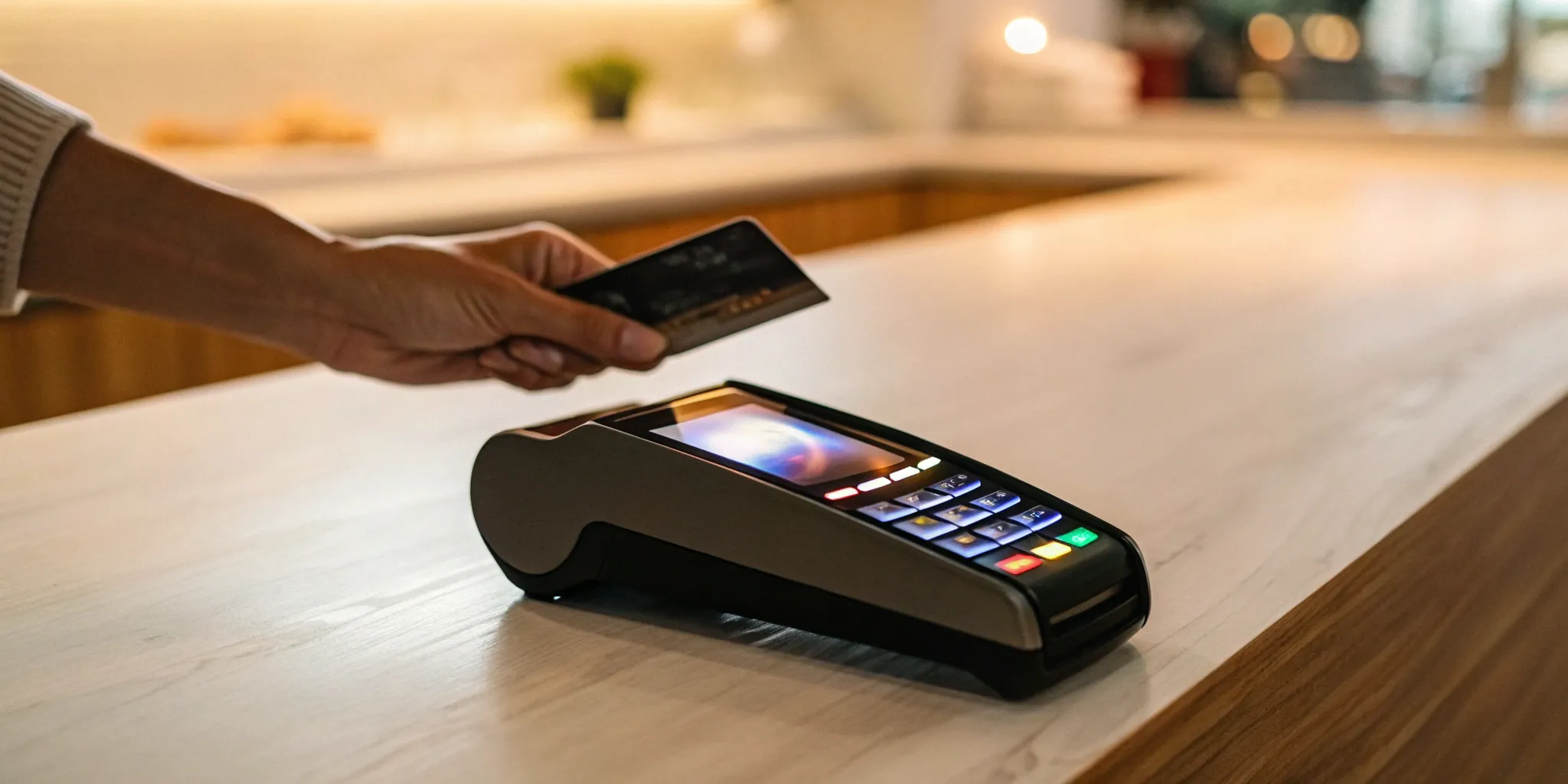
Think of a wireless credit card terminal as your traditional countertop machine, but without the cords. It’s a portable, handheld device that lets you accept credit and debit card payments from anywhere—whether that’s at a customer’s table, on the sales floor, or at a weekend market. Instead of being tethered to a phone line or an ethernet cable, these terminals use Wi-Fi or a cellular network to connect and process transactions. This freedom gives you the power to meet your customers where they are, creating a smoother, faster checkout experience for everyone.
How Do Wireless Terminals Work?
At its core, a wireless terminal works just like its wired counterpart, but with the added magic of a wireless connection. When a customer pays, the terminal securely reads their card information by tap (NFC), dip (EMV chip), or swipe (magnetic stripe). From there, the device encrypts the sensitive payment data and sends it over a Wi-Fi or cellular network to your payment processor. The processor routes the information through the card networks to the customer’s bank for approval. In just a few seconds, the bank sends a response back, and the transaction is either approved or declined.
Understanding Your Connectivity Options
Your wireless terminal’s connection to the internet is its lifeline, so it’s important to know your options. Most devices offer a few ways to get online. Wi-Fi is perfect for businesses that need mobility within a fixed location, like a restaurant taking payments at the table or a retailer busting lines on a busy day. For true on-the-go processing, you’ll need a terminal with cellular connectivity (like 4G or 5G), which works anywhere you have a cell signal. Some terminals can also connect via Bluetooth to a smartphone or tablet, using your phone’s internet connection for processing.
Wireless vs. Traditional: What’s the Difference?
The biggest difference between a wireless and a traditional terminal is freedom. A traditional terminal is physically plugged into a power source and an internet or phone line, chaining you to the checkout counter. A wireless terminal cuts those cords, allowing you to process payments anywhere. This mobility is the main benefit, enabling you to speed up checkout, reduce lines, and improve the overall customer experience. While both terminal types use advanced encryption to keep transactions secure, wireless models are built for the dynamic needs of modern businesses, from food trucks to service providers who work in the field.
What Features Matter Most in a Wireless Terminal?
When you start shopping for a wireless terminal, the options can feel overwhelming. They all look pretty similar, but the features under the hood make a huge difference in your day-to-day operations. Focusing on the right capabilities from the start will save you headaches and help you serve your customers better. Let’s break down the four key areas you absolutely need to consider to make sure you’re choosing a device that’s a true asset for your business.
Accept Every Payment: EMV, NFC, and Mobile Wallets
Your customers expect to pay how they want, whether that’s with a chip card, a tap of their credit card, or their phone. A modern terminal needs to handle all of it. Look for EMV capabilities to securely accept chip cards, which is the standard for preventing fraud. You’ll also need NFC (Near Field Communication) technology. This is what powers contactless payments, including tap-to-pay cards and popular mobile wallets like Apple Pay and Google Pay. Offering these options isn’t just a nice-to-have anymore—it’s essential for a fast, convenient checkout experience that keeps your lines moving and your customers happy. A terminal that accepts every payment type ensures you never miss a sale.
Keep Data Safe: Security and PCI Compliance
Nothing is more important than protecting your customers’ payment information. A security breach can be incredibly damaging to a small business’s reputation and bottom line. That’s why your wireless terminal must have top-notch security features built-in. The most critical one is PCI compliance, which is the industry-wide standard for data security. Your terminal should also use end-to-end encryption to scramble card data the moment it’s captured, making it useless to fraudsters. By choosing a secure, compliant terminal, you’re not just protecting your customers; you’re protecting the business you’ve worked so hard to build. It’s a non-negotiable feature that provides peace of mind for everyone involved in the transaction.
Built to Last: Battery Life and Durability
A wireless terminal is a tool you’ll be using all day, every day, so it needs to be tough enough to handle the job. Think about your business environment. Are you a food truck operator who needs a device that can survive a busy lunch rush? Or a retailer moving around a showroom floor? A long battery life is essential—the last thing you want is your terminal dying in the middle of a transaction. Look for a model that can last a full shift on a single charge. Durability is just as important. A terminal with a rugged design that can withstand occasional bumps or drops will save you from costly replacements and downtime. It’s an investment in reliability.
Stay Connected: Wi-Fi, Cellular, and Backups
A wireless terminal is only as good as its connection. If it can’t communicate with the payment network, you can’t process sales. That’s why understanding your connectivity options is key. Most terminals offer Wi-Fi, which is perfect for use within your store, restaurant, or office. But if you take payments on the go—at markets, client homes, or events—you’ll need a terminal with a cellular data plan (like 4G or 5G). The best devices offer both. This dual-connectivity acts as a fail-safe. If your Wi-Fi ever goes down, the terminal can automatically switch to its cellular connection, ensuring you can continue accepting payments without any interruption. This reliability is crucial for maintaining business continuity and a smooth customer flow.
Comparing the Top Wireless Terminal Brands
Choosing the right hardware can feel like a huge decision, but the good news is that a few key players have consistently proven their worth in the industry. Brands like Verifone, Ingenico, Clover, and PAX Technology lead the pack for a reason—they deliver on security, reliability, and user-friendly design. The best terminal for your business isn’t about picking the most popular name, but about finding the device that seamlessly fits your unique workflow.
Do you need a simple, rugged terminal that just works every time? Or are you looking for a sleek, all-in-one system that can also manage your inventory and customer loyalty programs? Each brand has its own strengths, and understanding them is the first step toward making a choice you’ll be happy with for years to come. At MBNCard, we believe in empowering you with the right information so you can select a terminal that helps your business thrive, rather than just getting by. Let’s look at what makes each of these top brands stand out.
Our Top Picks at MBNCard
Here at MBNCard, we’ve worked with thousands of merchants across every industry imaginable. We’ve seen which terminals hold up during the busiest holiday rushes and which ones are easiest for new employees to learn on the fly. Because we aren’t tied to a single brand, we have the flexibility to recommend the hardware that is genuinely the best fit for your business. We focus on pairing you with a terminal that meets your needs for payment acceptance, security, and budget. Our goal is to provide a solution that feels like a natural extension of your business, helping you serve customers efficiently wherever you are.
A Look at Verifone
Think of Verifone as the trusted workhorse of the payment processing world. For decades, they’ve built a reputation for creating robust, secure, and incredibly reliable terminals. Verifone devices are designed to handle high transaction volumes without a hitch, making them a favorite for busy retail stores and restaurants. They support all modern payment types, including EMV chip cards and NFC contactless payments like Apple Pay. While they may not always have the flashiest interfaces, Verifone terminals are praised for their straightforward functionality and ease of use. If your top priorities are security and dependable performance, Verifone is an excellent choice.
Exploring Ingenico
Much like Verifone, Ingenico is a global leader known for its strong emphasis on security and reliability. Ingenico terminals are engineered to meet the highest industry security standards, giving you and your customers peace of mind with every transaction. They offer a wide range of wireless models that cater to different environments, from pay-at-the-table solutions for restaurants to durable devices for businesses on the go. Merchants often choose Ingenico for their advanced security features, long battery life, and seamless payment processing. They provide a dependable and compliant solution for any business that needs to accept payments securely.
The Clover Ecosystem
Clover is more than just a credit card terminal—it’s a complete point-of-sale (POS) ecosystem wrapped in a sleek, modern package. Known for their intuitive, tablet-like interfaces, Clover devices are incredibly user-friendly. What truly sets Clover apart is its extensive App Market, which allows you to customize your device with tools for everything from inventory management and employee scheduling to customer loyalty programs. This makes it a fantastic option for business owners who want their payment system to serve as a central hub for managing their operations. If you’re looking for a powerful, all-in-one solution that can grow with your business, the Clover ecosystem is hard to beat.
PAX Technology Options
PAX Technology has quickly become a major player by offering flexible, feature-rich terminals at a competitive price point. Many of their modern devices run on an Android-based operating system, providing a familiar, smartphone-like experience that’s easy to navigate. PAX terminals are designed for functionality, supporting a wide variety of payment methods and integrating easily with third-party software. This makes them a versatile choice for businesses that want advanced features and a modern interface without being locked into a single ecosystem. For merchants seeking a blend of performance, flexibility, and value, PAX offers a compelling range of options.
How Much Do Wireless Terminals Really Cost?
When you’re thinking about adding a wireless terminal, the price tag on the machine is just the beginning. The true cost is a mix of the hardware itself, the fees you pay on every transaction, and any monthly charges that might be part of your contract. It’s easy to get drawn in by a low upfront price or a “free terminal” offer, but those deals can sometimes hide higher long-term costs. To make the best decision for your business, you need to look at the complete picture. This means moving beyond the initial sticker shock and digging into the numbers that will affect your profitability month after month. A great payment partner will be transparent about all potential costs, helping you understand exactly what you’re paying for. Let’s break down the three main cost areas so you can avoid any surprises on your monthly statement and choose a solution that truly supports your business growth.
The Upfront Cost: Buying the Hardware
The first cost you’ll encounter is for the physical terminal. Prices can range from a couple of hundred to over a thousand dollars, depending on the brand and its features. A basic terminal that accepts chip cards and swipes will be on the lower end, while a more advanced model with NFC for contactless payments, a built-in printer, and a large touchscreen will cost more. Some processors offer free or leased terminals, but it’s important to read the fine print. These offers often come with a long-term contract, higher processing rates, or hefty cancellation fees. Think of your terminal as an investment. A reliable, modern device can speed up checkout and provide a better experience for your customers, making it a worthwhile business expense.
The Ongoing Cost: Processing Rates
This is where the bulk of your costs will come from over time. Every time you accept a card payment, a small percentage of the sale goes to the payment processor. These processing rates can be structured in a few different ways, such as interchange-plus, flat-rate, or tiered pricing. Understanding these fees is one of the biggest challenges for small business owners, but it’s essential for managing your budget. Don’t be afraid to ask a potential provider to walk you through their fee structure and provide a detailed quote. A transparent partner will be happy to explain exactly how their credit card processing works and what you can expect to pay on each transaction.
Watch Out For: Setup and Monthly Fees
Beyond the hardware and per-transaction rates, many providers charge additional fees that can add up. Be on the lookout for one-time setup fees to get your account started. You might also see recurring monthly fees, such as a statement fee, a gateway fee (for online transactions), or a PCI compliance fee to ensure you’re meeting security standards. Some contracts also include an early termination fee if you decide to switch providers before your term is up. It’s crucial to ask for a full list of potential charges before you sign anything. Overlooking these extra fees is a common mistake that can turn a seemingly good deal into a costly one.
Why Go Wireless? The Biggest Benefits for Your Business
If your business operates beyond a single countertop, a traditional, tethered credit card machine can feel like an anchor holding you back. Going wireless isn’t just about cutting a cord; it’s about fundamentally changing how you interact with your customers and where you can make a sale. Wireless terminals give you the freedom to process payments anywhere, whether that’s at a customer’s table, on the sales floor, or at a weekend market across town. This flexibility is the core advantage that unlocks several other major benefits for your business.
By untethering your payment process, you can speed up transactions, reduce friction for your customers, and create a more modern, professional experience. Think about it: no more long lines snaking through your store, no more asking customers to make an inconvenient trip to a register, and no more missed opportunities because a customer was ready to buy but you weren’t ready to take their payment. Adopting a wireless terminal is a strategic move that can directly impact your efficiency, customer satisfaction, and, most importantly, your bottom line. It’s about meeting your customers where they are and making it incredibly easy for them to say “yes.”
Serve Customers Anywhere You Go
The most obvious advantage of a wireless terminal is the ability to take your business on the road. Wireless credit card terminals work just like regular card machines but let you accept payments anywhere with a Wi-Fi or cellular signal. This is a game-changer for mobile businesses like food trucks, pop-up shops, and craft fair vendors. It’s also perfect for service providers who work at a client’s location, such as plumbers, landscapers, or consultants. You can complete the job and get paid on the spot, which improves cash flow and eliminates the hassle of sending invoices later. This freedom means your business is no longer defined by its four walls.
Speed Up Your Checkout Line
Long lines are a major turn-off for customers. A wireless terminal is your secret weapon for “line busting,” especially during peak hours. Instead of funneling everyone to a single checkout counter, your staff can process payments from anywhere in the store. A customer found the perfect pair of shoes? Check them out right there in the aisle. This not only speeds things up but also makes the whole process feel more personal and efficient. Modern terminals support fast EMV chip and NFC tap-to-pay transactions, so you can get through sales quickly without sacrificing security. A faster checkout leads to happier customers and allows you to serve more people in less time.
Create a Better Customer Experience
Every interaction a customer has with your business shapes their perception of your brand. A clunky, slow, or inconvenient payment process can sour an otherwise great experience. Wireless terminals help you create a seamless and modern checkout flow. In a restaurant, servers can bring the terminal directly to the table, allowing customers to pay without letting their card out of their sight. This simple change adds a layer of security and convenience that people appreciate. By removing friction and making payments effortless, you deliver a better overall customer experience, which is key to building loyalty and encouraging repeat business.
Capture More Sales on the Spot
Have you ever lost a sale because a customer had to wait or go to a register to pay? With a wireless terminal, you can close the deal the moment a customer decides to buy. This is crucial for capturing impulse purchases and maximizing your revenue opportunities. For businesses that operate away from a traditional counter, like a vendor at a trade show or an artist at a gallery opening, these terminals are essential. You can engage with a customer, answer their questions, and process their payment all in one smooth interaction. This immediacy prevents customers from changing their minds and ensures you never miss out on a sale simply because of your location.
What Are the Downsides of Going Wireless?
Wireless terminals offer incredible flexibility, but it’s smart to go in with your eyes open. Like any piece of technology, they come with a few potential challenges that are completely manageable with a little planning. Thinking through these issues ahead of time ensures you can keep your checkout process smooth and your customers happy, no matter where you make a sale.
The main things to keep on your radar are connectivity, battery life, and security. A dropped Wi-Fi signal at a critical moment or a battery that dies mid-rush can bring your sales to a halt. And because you’re processing payments over a wireless network, you need to be sure your system is locked down tight to protect your customers’ data and your business. The good news is that the right hardware and a great payment partner can help you sidestep these problems entirely.
Dealing with Spotty Connections
The biggest selling point of a wireless terminal is its ability to connect from anywhere, but that connection is only as good as your signal. If you’re in an area with weak Wi-Fi or a spotty cellular signal, you could run into trouble. A poor connection can cause transactions to take longer to process or even fail completely, leaving you with a frustrated customer and a lost sale. Before you commit, test the signal strength in all the places you plan to use your terminal—whether that’s at a farmer’s market, on your patio, or just the far corner of your shop.
Keeping Your Terminal Charged
Your wireless terminal is one more device you’ll need to keep charged and ready to go. It’s easy to forget, but a dead terminal during your busiest hours can be a disaster. Imagine your lunch rush hitting and realizing your terminal is out of juice—it can severely impact sales and create a bottleneck at checkout. Get into the habit of charging your terminal overnight, just like you would with your phone. When comparing models, pay close attention to the advertised battery life and consider how it fits with your typical business day. A long-lasting battery is worth its weight in gold.
Protecting Against Wireless Threats
Processing payments over a wireless network requires a sharp focus on security. An unsecured network can create vulnerabilities, putting sensitive customer data at risk. It’s essential to ensure your system uses end-to-end encryption and that you’re following all best practices for network security. This is also where PCI compliance becomes critical. Working with a payment partner who prioritizes security isn’t just a good idea—it’s a must. They can help you understand and avoid common mistakes in credit card processing that could leave your business exposed.
Is a Wireless Terminal Right for Your Business?
Deciding on the right payment hardware isn’t just a technical choice—it’s a decision that shapes your customer experience and daily operations. While a traditional countertop terminal works perfectly for some, a wireless terminal offers a level of flexibility that can completely change how you do business. The real question isn’t whether wireless is better, but whether it’s the right tool for your specific setup.
Going wireless means you can take payments anywhere, from a customer’s doorstep to a bustling farmers market or the floor of your retail store. This freedom can help you speed up service, improve cash flow, and create a smoother, more modern checkout process for your customers. For certain types of businesses, this isn’t just a nice-to-have feature; it’s a fundamental part of running an efficient and profitable operation. To help you figure out if you fall into that category, let’s look at the businesses that benefit most from cutting the cord and going wireless.
Perfect for Mobile Businesses and Pop-Ups
If your business is always on the move, a wireless terminal is non-negotiable. Think about food trucks, craft fair vendors, mobile dog groomers, or seasonal pop-up shops. Your point of sale needs to be as mobile as you are. A wireless terminal allows you to securely accept card payments anywhere you have a cellular or Wi-Fi signal. This means you can capture sales on the spot without having to rely on cash-only transactions or clunky, unreliable card readers that plug into a phone. It makes your small operation look more professional and ensures you never miss a sale just because a customer isn’t carrying cash.
A Must for Retailers Who Bust Lines
Long checkout lines are a major turn-off for customers, especially during busy shopping seasons. Wireless terminals are the perfect tool for “line busting.” Instead of forcing everyone to queue at a fixed counter, your associates can walk the floor and check customers out wherever they are. This simple change dramatically reduces wait times and creates a much better shopping experience. Plus, these terminals are built with security in mind, using encryption to protect payment data during every transaction. You get the freedom to serve customers anywhere in your store without compromising on the security they expect.
Ideal for On-Site Service Providers
For service professionals who work at a client’s location—like plumbers, electricians, landscapers, or in-home consultants—a wireless terminal is a game-changer for cash flow. You can take payment the moment the job is finished instead of sending an invoice and waiting weeks to get paid. This simple step eliminates the administrative headache of chasing down payments and ensures you have a steady stream of income. While you’ll want to consider a terminal with a reliable cellular backup in case you’re working in an area with a spotty Wi-Fi signal, the ability to get paid on-site is an incredible advantage for any service-based business.
Essential for Restaurants and Cafes
Pay-at-the-table service is quickly becoming the standard in modern dining. Wireless terminals allow your servers to bring the checkout process directly to your guests, which benefits everyone. Customers appreciate the convenience and the security of their card never leaving their sight. Meanwhile, your staff can turn tables faster, increasing your restaurant’s overall capacity and revenue potential. With built-in support for EMV chip cards and NFC payments like Apple Pay, these terminals provide the secure payment processing that protects sensitive customer data and builds trust with your diners, making the entire experience smoother from start to finish.
Avoid These Common Mistakes When Choosing a Terminal
Choosing a wireless terminal feels like a small decision, but it has a big impact on your daily operations and your bottom line. It’s easy to get distracted by a sleek design or a low upfront price, but the wrong choice can lead to headaches down the road. To help you pick the right device with confidence, let’s walk through a few common missteps business owners make and how you can steer clear of them.
Understand Your True Processing Costs
The sticker price on a terminal is just the beginning. A frequent mistake is failing to understand processing fees that come with every swipe, dip, or tap. These can include transaction fees, monthly service charges, and other hidden costs that quietly eat into your profits. Before you commit, ask for a complete breakdown of all potential fees. A transparent partner will be happy to walk you through everything, ensuring there are no surprises on your monthly statement. This clarity is essential for accurately forecasting your expenses and protecting your bottom line.
Make Sure It Works with Your POS
Imagine buying a new wireless terminal only to find it doesn’t communicate with your point-of-sale (POS) system. This is a surprisingly common issue that creates a ton of extra work. If your terminal doesn’t sync with your point-of-sale system, you’ll be stuck manually entering sales data, which opens the door for errors and wastes valuable time. A seamless integration means your sales, inventory, and customer data are all updated in real-time. Always confirm compatibility with your POS provider before making a purchase to keep your operations running smoothly.
Pick the Right Pricing Model
Not all pricing structures are created equal, and choosing the wrong one can cost you. Processors offer several models, such as flat-rate, tiered, and interchange-plus, and the best fit depends entirely on your business. For example, a business with a high volume of small transactions has different needs than one with fewer, larger sales. Take the time to learn about the different pricing structures and ask your potential payment partner to run a cost analysis based on your actual sales data. This helps you find a model that aligns with your transaction patterns and saves you money.
Plan for Your Future Growth
The terminal you choose today should be able to support your business as it grows. It’s tempting to pick the cheapest, most basic option, but that can limit you later on. Think about your future needs. Will you need to accept more payment types? Will your transaction volume increase significantly? More importantly, ensure your terminal and processor are fully secure and compliant with industry standards. Neglecting security and PCI compliance not only puts your business at risk but can also create major roadblocks as you expand. A forward-thinking partner will help you choose a solution that can scale with your success.
How to Choose the Right Payment Partner
Picking a wireless terminal isn’t just about the device itself—it’s about the company that stands behind it. A great piece of hardware can quickly become a headache if it’s backed by confusing pricing, non-existent support, and rigid contracts. Your payment processor is a long-term partner in your business’s success, so it’s worth taking the time to find one that truly has your back.
Think of it this way: you’re not just buying a machine; you’re investing in a service. A good partner will offer transparent pricing, be there when you need help, and provide the flexibility your business needs to grow. They should feel like an extension of your team, helping you manage payments smoothly so you can focus on what you do best—running your business. As you compare your options, look beyond the terminal and evaluate the provider on these four key areas.
Find Clear, Competitive Pricing
Nothing sours a business relationship faster than surprise fees on your monthly statement. One of the most common mistakes business owners make is failing to understand processing fees, which can lead to significant unexpected costs. A trustworthy partner will be upfront about every single charge. Ask for a complete breakdown of their rate structure, including interchange rates, assessment fees, and their processor markup. Don’t forget to inquire about monthly minimums, statement fees, and any other costs you might see. A partner who is transparent from day one is a partner you can trust long-term.
Get Real Support When You Need It
Imagine it’s your busiest day of the year, and your terminal suddenly stops working. The last thing you want is to be stuck with a chatbot or an automated phone menu. As one expert notes, “When the terminal goes down in peak hours…having reliable support is essential.” Before you sign with any provider, ask about their customer support. Can you speak to a real person? What are their hours? A dedicated support team that you can reach quickly is non-negotiable. It’s the difference between a minor hiccup and a major sales disaster.
Look for Flexible Contracts and Hardware
Getting locked into a long-term contract with unfavorable terms can hold your business back. “Choosing the Wrong Pricing Model” is a critical error that can be difficult to undo once the ink is dry. Look for a payment partner who offers month-to-month agreements and gives you the freedom to make changes as your business evolves. The same goes for hardware. Avoid proprietary terminals that can’t be reprogrammed if you decide to switch processors. A good partner provides equipment and contract terms that empower your growth, not restrict it.
Demand Great Customer Service
Excellent customer service goes beyond just fixing problems—it’s about preventing them in the first place. Your payment terminal needs to work seamlessly with your other business tools. If your terminal “doesn’t sync with your point-of-sale system, you’re missing out on real-time data” that’s crucial for managing inventory and sales. A great partner ensures your systems integrate smoothly from the start. They’ll help you get set up, train your team, and act as a resource to help you get the most value from your payment technology.
Related Articles
- 5 Best Credit Card Terminals for Small Business
- Affordable POS Equipment | MBN Card Services
- Credit Card Machine Price: A Small Business Guide
Frequently Asked Questions
Do I need a terminal with both Wi-Fi and cellular, or is one enough? Think of it this way: Wi-Fi is perfect for mobility within a set location, like taking payments at tables in your restaurant or on your retail floor. Cellular is for true freedom, letting you process sales at a farmer’s market or a client’s home. The best option is a terminal with both. This gives you a built-in backup plan—if your Wi-Fi ever goes down during a busy rush, the terminal can automatically switch to its cellular connection so you don’t miss a beat.
Are wireless terminals as secure as the ones plugged into the wall? Yes, absolutely. A terminal’s security doesn’t come from its cord; it comes from its technology. Modern wireless terminals use the same powerful security features as their wired counterparts, including end-to-end encryption that scrambles card data the moment it’s captured. As long as you choose a PCI-compliant device and work with a reputable payment partner, you can be confident that your transactions are just as safe.
I’ve seen offers for “free” wireless terminals. Is there a catch? There usually is. Those “free” terminal offers are often used to lock you into a long-term contract with higher processing rates or hefty early termination fees. While it seems like a good deal upfront, it can cost you much more over time. It’s often better to purchase your hardware outright, which gives you the freedom to choose a payment partner with the best rates and terms for your business, rather than being tied down by a lease.
What happens if my internet connection drops in the middle of a sale? A dropped connection can be frustrating, but a good terminal is prepared for it. This is where having a device with both Wi-Fi and cellular connectivity is a huge advantage. If your Wi-Fi signal fails, the terminal can automatically switch over to its cellular network to complete the transaction seamlessly. Some terminals also offer an offline mode that securely stores payment information to be processed later, but a dual-connectivity device is the most reliable way to ensure you can always make a sale.
How do I decide between a simple terminal and an all-in-one system like Clover? The right choice depends on what you need your device to do beyond just taking payments. If your primary need is to accept cards securely and reliably from anywhere, a straightforward and durable terminal from a brand like Verifone or PAX is an excellent choice. However, if you want your payment device to also act as a central hub for running your business—managing inventory, tracking sales analytics, and running customer loyalty programs—then a complete POS ecosystem like Clover is likely a better fit.