Your point of sale is more than just a way to take money; it’s the central nervous system of your business. The right small business credit card machine can act as your silent partner, helping you manage inventory, track sales data, and simplify your accounting. When your payment terminal syncs with the other tools you use, you save hours of manual work and gain valuable insights into your business’s health. This isn’t just about convenience—it’s about making smarter, data-driven decisions. We’ll explore how a modern payment solution can become a powerful hub for your operations, helping you work more efficiently and focus on what you do best.
Key Takeaways
- Choose your processor as carefully as your machine: The company behind the terminal determines your real costs, so look for transparent pricing, fair contracts, and responsive customer support to avoid long-term headaches.
- Focus on features that actually speed up your day: Your machine must handle all modern payment types (chip, tap-to-pay) and offer flexible receipt options. Anything else should directly support your specific workflow, like inventory sync or multi-location management.
- A great machine pays for itself: Investing in a modern, reliable terminal improves checkout speed and customer trust, which leads to happier customers and more sales, directly impacting your bottom line.
What to Look For in a Credit Card Machine
Choosing the right credit card machine can feel like a huge decision, but it doesn’t have to be complicated. When you strip away all the bells and whistles, a great machine really just needs to do a few things exceptionally well. Think about what will make your day-to-day operations smoother and what will give your customers the best possible checkout experience. Let’s break down the essential features that truly matter.
Fast, Reliable Transactions
Nothing slows down a line or frustrates a customer faster than a lagging or frozen card reader. Your machine needs to be a workhorse, processing payments quickly and reliably every single time. Look for a terminal that handles transactions in seconds, keeping your checkout process moving smoothly, even during your busiest hours. It’s also important to know how quickly you’ll see the money in your bank account. Most modern processors ensure you get your funds from card sales within one to two business days, which is crucial for managing your cash flow effectively.
Accepts Every Way Customers Want to Pay
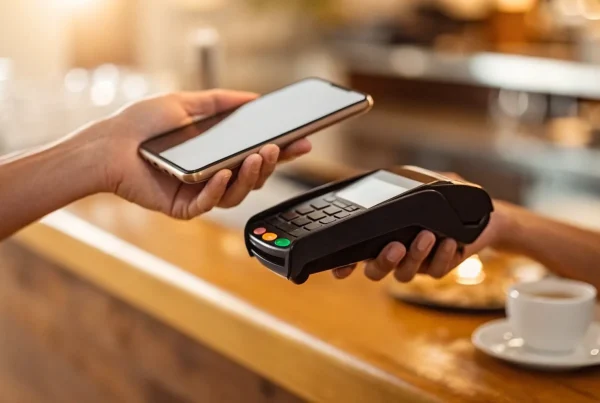
Your customers expect flexibility, and your payment terminal should deliver it. The best credit card machines are equipped to handle every modern payment method. This means it should allow customers to dip a chip card (EMV), swipe a magnetic stripe card, and tap a contactless card or phone. Accepting contactless payments like Apple Pay and Google Pay is no longer a nice-to-have—it’s a standard feature that provides a fast, secure, and convenient option for people on the go. By offering multiple ways to pay, you make the checkout process effortless and ensure you never miss out on a sale.
Connects With Your Other Business Tools
A modern credit card machine should do more than just take payments; it should simplify your entire workflow. Look for a device that can integrate with the other tools you rely on to run your business. Many terminals can connect directly with your accounting software, like QuickBooks, which saves you hours of manual data entry and makes bookkeeping much easier. You should also be able to customize your receipts with your business logo and contact information, turning a simple proof of purchase into a professional branding opportunity. These connections help streamline your operations and keep your business running efficiently.
Keeps Your Business and Customers Safe
Security is non-negotiable when it comes to handling payments. A trustworthy credit card machine protects both you and your customers from fraud. Modern terminals are built with multiple layers of security, including data encryption, which scrambles sensitive card information the moment it’s captured. It’s also essential that your machine and processor are PCI compliant, which is the industry standard for protecting cardholder data. These security measures work behind the scenes to keep every transaction safe, giving you peace of mind and building trust with your customers.
Our Top Picks: The Best Credit Card Machines for Small Businesses
Choosing the right credit card machine can feel like a huge decision, but it doesn’t have to be complicated. The best device is the one that fits your specific business needs—from your sales volume to where you actually meet your customers. A bustling coffee shop has different needs than a freelance plumber or a boutique clothing store. That’s why there’s no single “best” machine for everyone. We’ve looked at some of the most popular options out there to help you see what might work for you. From powerful all-in-one systems to simple mobile readers, here are our top picks that serve a wide range of small businesses.
Remember, the machine itself is only one part of the equation. The payment processor you partner with determines your rates, fees, and the support you receive. It’s easy to get drawn in by sleek hardware, but the wrong processing agreement can cost you thousands in the long run. As you review these options, think about how they would fit into your daily operations and which features would make your life easier. Consider things like battery life for mobile payments, receipt printing options, and how well the device integrates with your other business tools, like accounting or inventory software. This guide is designed to give you a clear overview so you can make a confident choice.
MBNCard Payment Solutions
Instead of locking you into one specific brand, we believe in finding the right tool for the job. At MBNCard, we take a consultative approach, pairing you with the ideal hardware for your business from leading brands like Clover, Dejavoo, and Pax. Whether you need a simple, durable terminal for your countertop or a sophisticated point-of-sale (POS) system to manage inventory and staff, we’ve got you covered.
Our real advantage is pairing that top-tier technology with transparent and affordable processing. We specialize in programs like dual pricing and cash discounts that can help you significantly reduce or even eliminate your processing fees. You get the best of both worlds: a reliable, feature-rich machine and a payment structure that puts more money back into your business. We’ll help you find the perfect fit without the pressure of a one-size-fits-all solution.
Square Terminal
Think of the Square Terminal as a sleek, all-in-one sidekick for taking payments and printing receipts. It’s compact, user-friendly, and ready to go right out of the box. Customers can pay however they prefer—by dipping a chip card, tapping their phone, or swiping. One of its best features is an offline mode that lets you continue accepting payments for up to 24 hours if your internet goes down, which is a lifesaver during an outage.
The terminal comes with Square’s free point-of-sale software, which is a great starting point for managing sales and basic reporting. The Square Terminal is a solid choice for cafes, small retail shops, and service providers who want a simple, reliable, and modern payment device without a lot of complexity.
Clover Flex
If you need a device that does more than just take payments, the Clover Flex is a true powerhouse. This handheld, all-in-one machine is a full POS system that fits in the palm of your hand. It comes with a built-in printer, scanner, and camera, making it perfect for businesses that need to manage inventory, track employees, and run detailed sales reports on the fly. It’s ideal for busy retailers, quick-service restaurants, or any business that operates away from a traditional counter.
The Clover Flex gives you the power to run your entire business from anywhere in your store. You can take orders in line, process payments at the table, or scan inventory in the stockroom. It’s a step up in functionality and price, but for many growing businesses, it’s a worthwhile investment.
SumUp Air
For new businesses, pop-up shops, or anyone who sells at markets and events, the SumUp Air is a fantastic, low-cost entry point into accepting card payments. This small, portable reader connects to your smartphone or tablet via Bluetooth. You manage the sale through the SumUp app, and the customer uses the Air reader to pay. There are no monthly fees—you just pay a simple, flat-rate transaction fee for each payment you process.
The beauty of the SumUp Air is its simplicity and affordability. It’s an easy way to start accepting cards without committing to a monthly contract or expensive hardware. It’s the perfect solution for entrepreneurs who need a flexible and straightforward way to get paid on the go.
PayPal Zettle
If your business already has a strong footing in the PayPal and Venmo ecosystem, the PayPal Zettle Terminal is a natural fit. This device seamlessly integrates with your existing accounts, making it easy to manage all your payments in one place. It’s a smart, standalone terminal that doesn’t need to be connected to a phone or tablet, offering a clean and professional checkout experience for your customers.
One of its biggest draws is its competitive flat-rate fee for in-person transactions, which is among the lowest available. The PayPal Zettle Terminal is an excellent choice for merchants who want to unify their online and in-person sales and offer customers the convenience of paying with their favorite digital wallets.
Toast Go
The Toast Go is built specifically for the fast-paced, and often messy, world of restaurants. This handheld POS device is designed to be tough—it’s spill-proof, drop-proof, and dust-proof, so it can handle the daily grind of a busy service. It allows servers to take orders, send them to the kitchen, and accept payments right at the table, which can speed up turnover and improve the customer experience.
With plans that can include $0 upfront for hardware, the Toast Go makes advanced restaurant technology accessible. It’s an ideal solution for full-service restaurants, bars, and cafes that need a durable and efficient system designed to meet the unique demands of the food and beverage industry.
Understanding the True Cost of a Credit Card Machine
Choosing a credit card machine isn’t just about the price tag on the box. The total cost is a mix of the hardware itself, recurring monthly charges, and the small percentage you pay on every single sale. To make the best decision for your business, you need to look at the complete picture. Think of it less like buying a product and more like entering a financial partnership. Understanding each piece of the pricing puzzle ensures you won’t be caught off guard by unexpected costs down the road. Let’s break down what you can really expect to pay.
The Initial Cost of the Device
The first expense you’ll encounter is the hardware. A credit card machine can cost anywhere from a couple hundred dollars to over $1,000. A simple, no-frills terminal that accepts swipes, chips, and taps will be on the lower end of that range. If you’re looking for more advanced features like a built-in printer, a customer-facing screen, or wireless capabilities for taking payments on the go, the price will naturally go up. While some processors offer “free” terminals, be cautious. The cost is often recouped through higher fees or a long-term contract you can’t easily exit. It’s better to view the hardware as a one-time investment in your business’s efficiency and professionalism.
What You’ll Pay Each Month
Beyond the machine itself, you’ll have recurring monthly or annual fees. These often include a fee for using the processor’s software, a gateway fee for securely connecting to the payment networks, and sometimes a statement fee. Another important cost to be aware of is the PCI compliance fee. This fee covers the cost of ensuring your system meets industry security standards to protect customer data. Also, take a close look at your contract terms. Some providers charge a hefty early termination fee if you decide to switch processors before your contract is up, which can lock you into a service that isn’t working for you.
The Rate for Each Transaction
This is where the costs can really add up. For every sale you make with a credit or debit card, your payment processor takes a small cut. This is known as the transaction fee. It’s usually structured as a percentage of the total sale plus a small, flat fee (for example, 2.9% + $0.30). These rates can vary based on the type of card your customer uses—a premium rewards card often costs more to process than a standard debit card. This is the most significant ongoing cost of accepting cards, but programs like cash discounting can help you offset these fees by offering a small discount to customers who pay with cash.
Watch Out for These Hidden Fees
The most frustrating costs are the ones you don’t see coming. That’s why it’s absolutely critical to read your merchant agreement carefully before signing anything. Some processors tuck extra charges into the fine print, like batch fees (for settling your daily transactions), chargeback fees (if a customer disputes a charge), or monthly minimum fees (if your sales volume doesn’t hit a certain threshold). Always ask for a complete and transparent fee schedule from any provider you’re considering. A trustworthy partner will be upfront about all potential costs, helping you budget accurately and avoid any unpleasant surprises on your monthly statement.
Countertop vs. Mobile: Which Reader is Right for You?
Choosing a credit card machine isn’t just about features; it’s about how you do business. Do you have a dedicated checkout counter, or are you constantly on the move? The answer will point you toward the right type of device. The good news is that whether you need a sturdy countertop terminal or a pocket-sized mobile reader, there’s a solution built for your workflow. Let’s break down the differences to help you find the perfect fit for your business.
Why a Classic Countertop Machine Still Works
If your business has a central checkout spot—like a retail counter, a salon reception desk, or a restaurant host stand—a countertop machine is a reliable workhorse. These devices are built for high-volume use and offer a stable, secure connection. While you might think of them as old-school, modern countertop terminals are anything but. They’re designed to handle every payment type, including chip cards and tap-to-pay. Many are also semi-portable, meaning you can easily move them around the counter area. This makes them perfect for businesses that primarily sell from a fixed location but appreciate a little bit of flexibility.
The Benefits of Going Mobile
For businesses on the go, a mobile card reader is a game-changer. Think food trucks, pop-up shops, contractors working in clients’ homes, or servers taking payments right at the table. These compact devices connect using Wi-Fi or mobile data, allowing you to accept card payments from virtually anywhere. This freedom doesn’t just add convenience; it can directly lead to more sales by meeting customers where they are. By making the payment process seamless and immediate, you remove friction and create a better experience, which keeps people coming back.
Getting the Best of Both Worlds
What if you need the stability of a countertop machine and the freedom of a mobile one? You’re in luck. A new generation of all-in-one devices offers a hybrid solution. Machines like the Square Terminal or Clover Flex act as a complete POS system in a single, handheld unit. You can take payments, print receipts, and manage your sales from one portable device. These are ideal for businesses that need a primary terminal at the counter but also want the option to take payments on the sales floor, at an outdoor patio, or at a local event. They support all modern payment methods, giving you and your customers ultimate flexibility.
How a Good Card Machine Impacts Your Bottom Line
Choosing a credit card machine can feel like just another item on your to-do list, but it’s one of the most important decisions you’ll make for your business. The right device is more than just a tool for taking money; it’s a central part of your customer experience and a powerful driver of your financial health. Think of it as your silent salesperson and bookkeeper, working around the clock to make transactions smooth, secure, and profitable.
A modern card machine does more than just process payments. It speeds up your lines, which keeps customers happy and encourages them to come back. It opens your business to a wider audience who may not carry cash, directly increasing your sales potential. By offering the payment methods customers prefer—like tap-to-pay and mobile wallets—you remove friction at the most critical point of the sale. And let’s be honest, a sleek, reliable terminal just looks more professional, building trust and confidence in your brand from the moment a customer is ready to pay. Investing in the right machine isn’t an expense; it’s a strategic move that pays for itself through improved efficiency, higher sales, and stronger customer loyalty.
Speed Up Your Checkout Line
Nothing kills a sale faster than a long, slow-moving line. When customers are ready to buy, they want the process to be quick and painless. A modern credit card machine with contactless payment capabilities is your best tool for making that happen. Instead of waiting for a chip card to process or fumbling with cash and change, a simple tap of a card or phone completes the transaction in seconds.
This speed has a ripple effect on your entire business. Faster checkouts mean you can serve more customers during peak hours, reducing walkouts and frustration. It also creates a better overall experience, leaving customers with a positive final impression. Plus, a quick and easy payment process can even encourage those valuable impulse buys at the counter.
Open the Door to More Sales
In a world where fewer people carry cash, accepting credit and debit cards is non-negotiable. If you’re not equipped to take card payments, you’re essentially turning away potential customers every single day. By offering card acceptance, you immediately broaden your customer base and capture sales that would have otherwise been lost. Most people now expect to pay by card, and meeting that expectation is the first step to securing their business.
Beyond just accepting more payment types, a great card machine helps you manage your money more effectively. Many modern POS systems automatically track sales, organize transaction data, and simplify your daily reconciliation. This gives you a clearer picture of your cash flow and sales trends without spending hours manually crunching numbers.
Make Paying Easy for Your Customers
Convenience is king, and that’s especially true at the checkout counter. Today’s customers expect flexible payment options that fit their lifestyle. A good card machine empowers you to say “yes” to however they want to pay, whether it’s by dipping a chip card, tapping a contactless card, or using a mobile wallet like Apple Pay or Google Pay.
Offering this variety isn’t just a nice perk; it removes any potential hesitation or friction from the buying process. When a customer knows they can pay quickly and easily with their preferred method, they’re more likely to complete the purchase and feel good about their experience. It shows that you understand their needs and have invested in technology to make their life easier.
Look More Professional
The way you handle payments says a lot about your business. A clunky, outdated machine or a “cash only” sign can make your operation seem dated or less trustworthy. On the other hand, a sleek, modern terminal instantly communicates professionalism and security. It shows customers that you are serious about your business and invested in providing a high-quality experience from start to finish.
Features like a bright, clear screen and a built-in printer for physical receipts add to this professional image. When customers see that you’re using up-to-date, reliable technology, it builds their confidence that their payment information is secure. This small detail can have a big impact on how they perceive your brand and whether they choose to do business with you again.
The Only Features That Really Matter
When you start shopping for a credit card machine, the number of options can feel overwhelming. Every device seems to come with a long list of features, from advanced analytics to employee management tools. While some of these extras can be useful, they often distract from the core functions that will actually make a difference in your daily operations. Getting bogged down in features you’ll never use can lead to paying for a more expensive, complicated system than you really need.
Instead of getting lost in the details, focus on the fundamentals. A great credit card machine should make it easy for you to get paid, simple for your customers to buy from you, and efficient for you to run your business. It’s about finding a tool that works for you, not one that creates more work. We’re going to cut through the noise and highlight the four essential features that truly matter for any small business. These are the non-negotiables that will save you time, improve your customer experience, and support your growth.
Tap-to-Pay and Chip Card Readers
Your customers expect fast and secure ways to pay. A modern credit card machine must accept both EMV chip cards and contactless payments. This includes tap-to-pay cards and mobile wallets like Apple Pay and Google Pay. Not only does this speed up your checkout line, but it also provides the security customers are looking for. Offering these modern payment methods shows that your business is up-to-date and cares about convenience and security. It’s no longer a bonus feature—it’s a baseline expectation for today’s shoppers.
Flexible Receipt Options (Print, Email, Text)
How your customers want their receipt can vary. Some prefer a physical copy, while others want to reduce paper clutter with a digital version. The best credit card machines give you the flexibility to offer all three: print, email, and text. Providing these choices creates a better, more personalized customer experience. Plus, offering digital receipts gives you a natural way to collect customer email addresses or phone numbers, which you can use for future marketing with their permission.
Syncs With Your Inventory
Manually tracking sales and updating inventory at the end of a long day is a recipe for burnout and errors. A credit card machine that syncs directly with your inventory and accounting software is a game-changer. When a sale is made, your stock levels update automatically. This integration gives you a real-time view of what’s selling and when you need to reorder. Connecting your terminal to tools like QuickBooks can also streamline your bookkeeping, saving you hours of administrative work.
Manages Multiple Locations with Ease
If you own more than one store or plan to expand in the future, you need a system that can grow with you. Look for a payment solution that allows you to manage all your locations from a single, centralized dashboard. This feature lets you track sales, compare performance, and manage inventory across your entire business without having to be physically present at each spot. This kind of oversight is essential for maintaining consistency and making smart, data-driven decisions as you scale your business.
How to Pick the Right Payment Processor
Choosing a credit card machine is only half the battle. The company that powers it—your payment processor—is your long-term partner in every transaction. This partnership can either be a seamless part of your operations or a constant source of frustration. A great processor offers more than just hardware; they provide transparent pricing, fair terms, reliable support, and quick access to your money.
Making the right choice from the start saves you from headaches like surprise fees, locked-in contracts, and waiting on hold when you need help the most. Before you commit, it’s essential to look beyond the shiny new terminal and evaluate the company behind it. Think of it like hiring a key team member. You want someone reliable, trustworthy, and invested in your success. We’ll walk through the four most important areas to investigate to ensure you find a payment processor that truly works for your business.
Compare Your Processing Rates
Understanding what you’ll actually pay for each swipe, dip, or tap can feel complicated, but it doesn’t have to be. Don’t just look at the advertised rate; ask for a full breakdown of all potential fees. Processors often have different pricing models, so you’ll want to find one that fits your business’s sales volume and average ticket size. The key is to get a complete picture of your “effective rate”—the total fees you pay divided by your total sales.
Look for a processor who is willing to walk you through their statement and explain every line item. Ask about programs that can help you save, like a cash discount program that encourages customers to pay with cash to offset your processing costs. A transparent partner will help you understand exactly where your money is going.
Read the Fine Print: Contracts and Flexibility
A “free” credit card machine can be tempting, but it often comes with strings attached in the form of a long-term contract. Many processors use these agreements to lock you in for years, with steep early termination fees if you want to leave. Before signing anything, read the entire contract carefully. Look for the contract length, any auto-renewal clauses, and the penalties for closing your account.
Your business needs can change, so flexibility is key. Ideally, you want a processor that offers month-to-month agreements and earns your business every day, not one that traps you with a rigid contract. A trustworthy provider will be upfront about their terms and won’t need to hide costs in the fine print. This is a critical step in choosing a payment processor you can count on for the long haul.
Find Out Who Answers the Phone
Imagine it’s the middle of your busiest lunch rush, and your terminal suddenly stops working. The last thing you want is to be stuck navigating an automated phone menu or waiting hours for an email response. When you need help, you need it immediately from a real person who can solve your problem. Customer support is one of the most overlooked—and most critical—aspects of a payment processing partnership.
Before you sign up, find out what kind of support the processor offers. Are they available 24/7? Do you get a dedicated account representative? Read reviews from other business owners and pay close attention to what they say about the support experience. Don’t be afraid to call the support line yourself to see how quickly you can connect with a human.
Know How Quickly You’ll Get Paid
Cash flow is the lifeblood of any small business. After you’ve made a sale, you shouldn’t have to wait long to get your money. The time it takes for funds from your credit and debit card sales to appear in your bank account is called your funding time. While many processors offer next-day funding, the details matter. Ask about the daily “cut-off” time—if you run transactions after that time, they’ll be included in the next day’s batch.
For some businesses, getting paid in one to two business days is perfectly fine. For others, faster access to funds is essential. Be sure to confirm the deposit schedule with any processor you’re considering. A reliable provider will offer clear and consistent funding so you can manage your cash flow effectively and pay your own bills on time.
Getting Started: A Step-by-Step Guide
You’ve picked your machine, and you’re ready to go. Getting set up is more straightforward than you might think. From the initial application to your very first sale, here’s a clear breakdown of what to expect as you introduce your new credit card machine to your business.
The Application and Approval Process
First, you’ll apply for a merchant account with your chosen payment processor. This special account allows your business to accept credit and debit card payments. The application will ask for standard business details, like your EIN and bank account information for deposits. The processor will then review your application, which often includes a quick credit check—a routine step to verify your business. This process is designed to be quick, often getting you from application to approval in just a few days. Once approved, your provider ships your new machine, and you’re ready for the next step.
Setting Up Your New Machine
When your credit card machine arrives, setup is usually a breeze. Most modern terminals are practically plug-and-play, designed to get you running with minimal downtime. You’ll typically just need to connect the device to power and your internet (via Wi-Fi or Ethernet), then log in to your account. There are no complicated software installations. These all-in-one devices handle everything from processing payments to printing receipts right out of the box. Many providers offer a variety of POS systems to fit your specific needs, from simple readers to full-service terminals.
Training Your Team
Getting your staff comfortable with the new system is key to a smooth checkout. The good news is that today’s credit card machines are incredibly intuitive. Training often takes just a few minutes to cover the basics: how to start a sale, process different payment types like chip cards and contactless payments, and handle returns. Run a few test transactions together so everyone feels confident. It’s also a great idea to show your team how to access customer support. Knowing that help is available gives everyone peace of mind as they learn.
Taking Your First Payment
This is the exciting part! When your first customer is ready to check out, the process is simple. You’ll enter the sale amount, and the machine will prompt the customer to pay. They can dip their chip card, tap their phone or contactless card, or swipe if needed. The transaction is processed in seconds, and you can offer a printed, emailed, or texted receipt. Behind the scenes, your new machine is already working for you by automatically tracking sales data. This not only simplifies your daily bookkeeping but also gives you valuable insights into your business performance.
Related Articles
- Credit Card Processors for Small Business | MBN Card Services
- Top 10 Questions to Ask Merchant Credit Card Processors
- Best Credit Card Processor for Ecommerce & Large Transactions
- SMALL BUSINESS LOANS – MBNCARD, Inc.
Frequently Asked Questions
What’s the real difference between a credit card machine and a payment processor? Think of it this way: the credit card machine is the physical tool you use to take a payment, like the phone in your hand. The payment processor is the service that actually makes it work, like your cell phone provider. The processor is the company that securely handles the transaction, moves the money from your customer’s bank to yours, and provides customer support when you need it. The machine is important, but your partnership with the processor has a much bigger impact on your fees and daily operations.
Do I really need a full point-of-sale (POS) system, or is a simple card reader enough? This completely depends on what you need to do besides take a payment. If your main goal is to simply accept cards on the go or at a simple checkout, a basic reader that connects to your phone or tablet is a great, low-cost option. However, if you need to manage inventory, track employee hours, run detailed sales reports, or manage customer information, then a full POS system is a much better fit. It acts as the central hub for your entire business, not just your transactions.
I see offers for “free” credit card machines. Is there a catch? Yes, there’s almost always a catch. While it sounds like a great deal, the cost of that “free” hardware is usually recovered by locking you into a long-term contract with high termination fees or by charging you higher transaction rates. It’s often more affordable in the long run to purchase your equipment outright and partner with a processor who offers transparent, competitive rates without trapping you in a multi-year agreement.
How quickly will I get my money after I make a sale? For most processors, the standard time to receive funds in your bank account is within one to two business days. This is often called “next-day funding.” One important detail to ask about is the processor’s daily cut-off time. This is the time of day you must close out your transactions to have them included in the next day’s deposit. Any sales made after that time will be processed in the following day’s batch.
Can I use my existing credit card machine if I switch to a new processor? Sometimes, but not always. Many credit card machines sold directly by a processor are “locked,” meaning they are programmed to work only with that company’s service. However, other terminals are universal and can be reprogrammed to work with a different provider. The best way to find out is to ask any new processor you’re considering. They can tell you if your current hardware is compatible with their system.