Many business owners view payment processing as just another necessary expense. But what if you saw it as a tool for growth? The right merchant services do more than just move money from point A to point B. A modern point-of-sale system can track inventory, manage employees, and provide valuable sales data to help you make smarter decisions. Mobile processing lets you sell anywhere, and secure e-commerce gateways open up a world of online customers. This guide will show you how to leverage merchant services to streamline operations and drive revenue. We’ll help you find a provider whose merchant services for small business phone number connects you with experts who can help you grow.
Key Takeaways
- Think beyond transactions: Your merchant service provider is a key partner who impacts everything from the customer checkout experience and operational efficiency to your overall business growth.
- Evaluate the complete package: When choosing a provider, prioritize transparent fee structures, responsive customer support, easy software integrations, and strong security to find a reliable long-term fit.
- Understand your true cost: Protect your bottom line by getting a full breakdown of all potential fees, including transaction rates, monthly charges, and equipment costs, before signing a contract.
What Are Merchant Services (And Why Your Business Needs Them)
If you’ve ever wondered how small shops and online stores handle credit card payments, you’ve been thinking about merchant services. Simply put, merchant services are the collection of financial tools and technologies that allow a business to accept and process credit cards, debit cards, and other forms of electronic payment. Think of it as the essential link between your customer’s bank and your business bank account. Without these services, you’d be stuck in a cash-only world, which can seriously limit your sales and growth potential.
Choosing the right provider is about more than just getting paid. It’s about finding a partner who can help you operate more efficiently, save money on fees, and create a better experience for your customers.
The Basics of Getting Paid
At its core, a merchant service provider gives your business a merchant account, which is a special type of bank account that lets you accept electronic payments. When a customer swipes their card or enters their details online, the provider securely manages the transaction, verifies the funds, and transfers the money into your account. This process is vital for any business that wants to compete and grow. In a world where fewer people carry cash, being able to accept various payment methods isn’t just a convenience; it’s a necessity for survival and success.
How the Right Partner Helps You Grow
Finding the right merchant service provider isn’t just about checking a box. It’s about finding a true partner who understands your specific business needs. A great provider does more than just process payments; they offer solutions that fit how you sell. They can help you streamline your operations, make sense of your sales data, and offer insights that point toward new growth opportunities. Instead of just being a utility, the right partner acts as an extension of your team, committed to helping you succeed. This is especially important for small businesses that need reliable support and transparent pricing to manage their budgets effectively.
Create a Smoother Checkout for Customers
A clunky or confusing checkout process is one of the fastest ways to lose a sale. Your merchant services directly impact this critical moment in the customer journey. Whether you take payments in person with a POS system, online through your website, or over the phone, you need a provider that can handle all your transaction types seamlessly within a single system. This integration creates a smooth and professional experience for your customers, which builds trust and encourages them to come back. A simple, secure, and fast checkout shows your customers that you value their time and their business.
Exploring Your Merchant Service Options
Once you decide to work with a merchant service provider, you’ll find they offer a whole menu of solutions. Your job is to pick the services that fit how you do business. Whether you run a brick-and-mortar shop, sell at local markets, or operate entirely online, there’s a setup designed to make getting paid simple and secure. Let’s walk through the most common options so you can find the right fit for your business.
Accepting Credit and Debit Cards
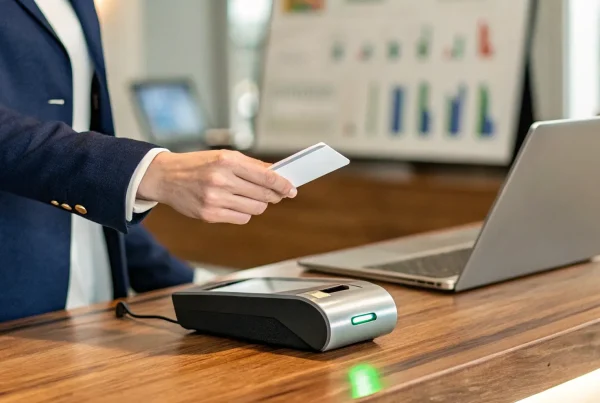
At its core, this is what merchant services are all about. In a world where fewer people carry cash, the ability to accept credit and debit cards is non-negotiable. Not offering this basic convenience can mean losing customers who prefer the ease of paying with a card. A reliable merchant service provider gives you the hardware and software to process these payments smoothly, whether it’s through a traditional countertop terminal or a more advanced system. This is the foundational service every business needs to compete and grow, ensuring you never have to turn away a sale because you can’t accept a customer’s preferred payment method.
Taking Payments On the Go
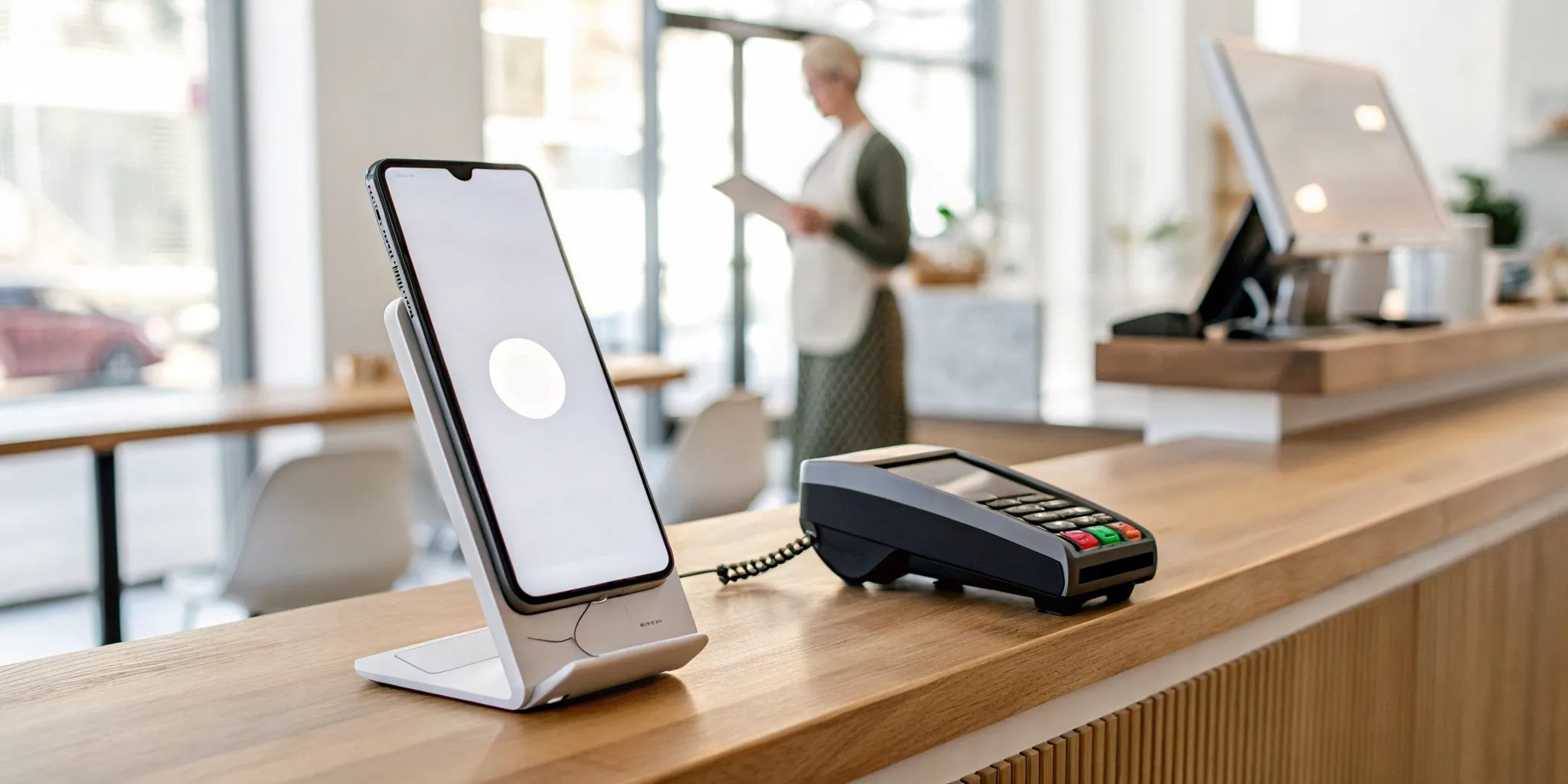
If your business doesn’t live in one place, your payment system shouldn’t either. Mobile processing is essential for anyone who works on the move, from plumbers and electricians to food truck owners and craft fair vendors. These solutions typically involve a small card reader that connects to your smartphone or tablet, turning your device into a portable register. This flexibility allows you to take secure payments anywhere you have a cell signal or Wi-Fi. It means you can close a deal on the spot, get paid immediately, and avoid the hassle of invoicing and chasing payments later. It’s a professional solution that keeps your cash flow steady, no matter where your work takes you.
Selling Securely Online
For e-commerce businesses, the checkout process is everything. A clunky or untrustworthy payment page can send customers running. Merchant services for online sales focus on providing a secure and seamless experience through a payment gateway. This technology encrypts sensitive customer data, protecting both you and your shoppers from fraud. A good provider will offer solutions that integrate easily with your website or e-commerce platform, providing a smooth transition from shopping cart to confirmation page. This builds trust and encourages repeat business by showing customers their information is safe with you.
Your All-in-One POS System
Think of a modern Point of Sale (POS) system as the command center for your business. It goes far beyond simply taking payments. A smart POS can track your inventory in real time, manage employee schedules and permissions, and generate detailed sales reports that help you make smarter business decisions. Instead of juggling different software for sales, inventory, and accounting, an integrated POS system brings it all together in one place. This streamlines your daily operations, saves you time on administrative tasks, and gives you a clear, data-backed view of your business’s health.
Programs That Can Lower Your Fees
Processing fees are an unavoidable cost of accepting card payments, but that doesn’t mean you can’t reduce them. Innovative programs are available that can significantly lower or even eliminate your processing expenses. For example, a cash discount program offers a small discount to customers who choose to pay with cash, encouraging a payment method that has no fees. Another option is dual pricing, which presents both a card price and a cash price for items. These programs are completely transparent to the customer and give you a powerful way to protect your profit margins from rising transaction costs, putting more money back into your business.
How to Choose the Right Merchant Service Provider
Picking a merchant service provider is a big decision. This isn’t just about finding a way to accept payments; it’s about choosing a partner who will play a key role in your daily operations, customer experience, and financial health. The right provider can make your life easier with seamless transactions and reliable support, while the wrong one can cause headaches with hidden fees and technical issues.
Payment processing can feel complicated, and there’s a lot to consider when you’re looking for a solution that fits your business. To make a confident choice, you need to look beyond the surface-level sales pitch. Focus on the details that matter most: transparent pricing, dependable support, smooth software integrations, and robust security. Let’s walk through the key factors to evaluate so you can find a provider you can trust.
Understand the Fee Structure
Payment processing fees can be confusing, and it’s often difficult for business owners to understand what they’re actually paying for. A great provider will be upfront and transparent about their costs. Don’t be afraid to ask for a complete breakdown of every fee you’ll be charged. This includes transaction rates, monthly statement fees, batch fees, and any other costs.
Look for a partner who takes the time to explain their pricing model, whether it’s interchange-plus, flat-rate, or tiered. You should also ask about programs that can help you save money, like cash discount or dual pricing programs, which can significantly lower your processing expenses. Your goal is to find a provider with a clear, predictable fee structure so there are no surprises on your monthly statement.
Look for Quality Customer Support
When your payment system has an issue, you need help immediately. Unfortunately, some processing companies only provide the highest level of support to their largest clients, leaving small businesses waiting. Before you sign a contract, find out what a provider’s customer support is really like. Are they available 24/7? Can you reach a real person on the phone, or are you stuck with email and chat bots?
Great support is a cornerstone of a reliable merchant services partnership. Read reviews and ask about their typical response times. A provider who offers dedicated support shows they value your business and will be there to help you solve problems quickly, so you can get back to serving your customers without missing a beat.
Check for Easy Integrations
Your payment processor should work in harmony with the other tools you use to run your business. Look for a provider that offers seamless integration with your existing software, whether it’s your accounting platform, e-commerce site, or point-of-sale (POS) system. When your systems communicate effectively, you save time, reduce the risk of manual entry errors, and get a clearer picture of your business performance.
Before committing, make a list of the software that is essential to your operations. Share that list with any potential provider and confirm their technology is compatible. A partner who offers flexible POS system integrations will help you create a more efficient workflow, freeing you up to focus on growing your business instead of wrestling with technology.
Prioritize Security and Compliance
Protecting your customers’ payment information is non-negotiable. A data breach can damage your reputation and result in serious fines. That’s why finding a payment processor that adheres to the Payment Card Industry Data Security Standard (PCI DSS) is critical. Your provider should not only be compliant themselves but also provide you with the tools and guidance to ensure your business meets these important security standards.
Ask potential providers about their security features, such as end-to-end encryption and tokenization, which help keep sensitive data safe. A trustworthy partner will make PCI compliance a straightforward process, giving you peace of mind that you and your customers are protected from fraud.
Prepare for Common Challenges
Even with the best provider, you might occasionally face challenges like chargebacks or funding delays. The difference lies in how your provider helps you handle them. A proactive partner will have clear, supportive processes in place to help you resolve these issues efficiently. Before you make a decision, ask how they manage disputes and what their standard funding schedule is.
Understanding how a provider handles these situations upfront can save you a lot of stress later on. Ask about their chargeback management support and if they offer resources to help you prevent them in the first place. Choosing a provider who is prepared to help you with these common hurdles is a sign that they are truly invested in your success.
What Do Merchant Services Actually Cost?
Let’s talk about one of the most confusing parts of running a business: payment processing fees. When you’re looking at different providers, it can feel like you need a special decoder ring just to figure out what you’ll actually pay. The truth is, the costs can vary quite a bit, and they’re usually a mix of several different charges. You’ll typically see per-transaction fees, monthly or annual charges, and sometimes costs for hardware or software.
Understanding these different components is the key to finding a provider that fits your budget and your business model. Some pricing structures are better for businesses with high transaction volumes, while others are designed for those with lower, less frequent sales. The goal isn’t just to find the cheapest option, but to find the one that offers the most value and transparency. A great partner will be upfront about their pricing and help you understand exactly where your money is going. Before you sign any contract, make sure you have a clear picture of all potential costs so you can avoid any unpleasant surprises on your monthly statement.
Breaking Down Transaction Fees
Every time a customer taps, swipes, or inserts their card, a transaction fee is charged. This is the most common cost associated with merchant services. These fees aren’t just one single charge; they’re actually made up of a few different parts. The bulk of the fee goes to the card-issuing bank (this is called the interchange fee), a smaller piece goes to the card brand like Visa or Mastercard (the assessment fee), and the final part is the markup that goes to your payment processor.
Because there are so many different pricing tiers, it can be tough for business owners to know what they’re really paying for. You’ll see models like interchange-plus, flat-rate, or tiered pricing, and each one calculates these fees differently. Don’t be afraid to ask a potential provider to break down their transaction fees for you.
Decoding Monthly Fees
On top of what you pay per transaction, most providers also have monthly fees. These are fixed costs you pay every month to maintain your account. Common monthly fees can include a statement fee (for preparing your monthly report), a gateway fee (for processing online payments), and a PCI compliance fee (to ensure you’re meeting security standards). Some providers might also charge a general monthly service or account fee.
A few companies are changing this up with a membership-style model. With this approach, you pay a flat monthly subscription and get access to direct-cost interchange rates without an additional percentage markup. When comparing providers, ask for a complete schedule of all monthly and annual fees so you can calculate your total recurring costs.
Factoring in Equipment and Setup
To accept card payments in person, you’ll need the right hardware. This could be a full point-of-sale (POS) system, a countertop terminal, or a simple mobile card reader. The costs for this equipment can vary widely. Some providers may offer a “free” terminal, but this is often tied to a long-term contract with higher processing rates or an early termination fee. Others will require you to buy the hardware upfront or lease it.
Be cautious with leasing agreements, as they can end up costing you much more over time than buying the equipment outright. You might also encounter a one-time setup fee to get your account activated and your equipment installed. The best merchant service provider for you will depend on your specific needs, including the type of hardware you require.
Watch Out for These Hidden Fees
This is where many business owners get frustrated. Hidden fees are unexpected charges that can pop up on your statement and eat into your profits. Some of the most common ones to look out for include early termination fees if you want to leave your contract, chargeback fees when a customer disputes a transaction, and PCI non-compliance fees if your business fails to meet security standards.
You might also see smaller charges like batch fees, which are charged every time you send your daily transactions to be processed. While small, these can add up. These unexpected costs are one of the biggest reasons for complaints about payment processors. The best way to protect your business is to read your merchant agreement carefully and ask for a full disclosure of all potential fees before you commit.
Finding Support from Top Providers
When you’re choosing a merchant service provider, you’re not just buying a piece of technology; you’re investing in a partnership. Think about it: if your payment system goes down during a holiday rush, you need to know you can get a real person on the phone who can help you solve the problem quickly. Strong customer support isn’t a luxury, it’s a necessity for keeping your operations running smoothly and your customers happy. The right provider will offer accessible, knowledgeable support that feels like an extension of your own team.
Different providers approach support in different ways. Some offer extensive online knowledge bases and community forums, which are great for finding answers on your own time. Others focus on direct access through phone, email, or live chat. As you explore your options, consider what kind of support best fits your business style. Do you prefer self-service resources, or is it important to have a dedicated representative you can call? Here’s a look at the support you can expect from some of the top providers in the industry.
MBNCard, Inc.
At MBNCard, we believe great support is personal. Instead of sending you to a massive call center or a generic help forum, we prioritize building a direct relationship with you. Our goal is to give you a dedicated point of contact who understands your business and its unique needs. When you have a question about a transaction, need help with your equipment, or want to understand your statement, you can reach out to someone who already knows you. This approach helps us resolve your issues faster and ensures you always feel heard. We invite you to contact our team directly to learn more about our hands-on support model.
Square
Square is known for its user-friendly POS system and straightforward design, making it an excellent choice for businesses that need a versatile solution. Their support system is built to match that accessibility. You can find answers through their extensive online resource center or connect with their support team through phone and online chat. This multi-channel approach ensures you can get help in the way that works best for you, whether you’re troubleshooting a terminal in-store or managing your account from your office. This makes Square a solid option for businesses looking for both powerful tools and reliable backup when they need it.
PayPal
For many small businesses and online stores, offering seamless and secure payment options is key to building customer trust. PayPal has built a global reputation on this principle and backs it up with comprehensive support resources. Their platform includes a dedicated help center filled with articles and guides to answer common questions. If you need more direct assistance, you can reach their customer service team by phone or chat. This makes it easier for busy entrepreneurs to resolve issues quickly and get back to focusing on their business, knowing they have a reliable support system behind them.
Stripe
Stripe is often considered one of the top merchant service options, especially for businesses with a strong online presence or custom development needs. Their support structure reflects this, offering a mix of resources for different technical levels. You can find a wealth of information in their detailed online documentation and active community forums, where developers and business owners share solutions. For more specific issues, Stripe also provides direct customer service, ensuring you can find the assistance you need to keep your payments flowing smoothly. This makes it a powerful choice for businesses that value both deep technical resources and direct support.
Bank of America
For business owners who prefer working with a large, established financial institution, Bank of America offers integrated Merchant Services. Their primary goal is to help businesses easily accept payments from customers with the security and reliability you’d expect from a major bank. Their support system includes a dedicated customer service line, allowing you to speak directly with a representative to handle any issues. They also provide online resources to help you manage your account and understand their payment processing solutions. This makes it a dependable option for businesses that value the stability and direct support of a traditional bank.
Related Articles
- How to Accept Credit Cards for Small Business in 4 Steps
- 10 Cheap Online Payment Processors for Small Business
Frequently Asked Questions
What’s the difference between a merchant account and my business bank account? Think of a merchant account as a special holding place for funds from your card sales. When a customer pays with a card, the money first goes into this merchant account. From there, your provider processes it and transfers it to your regular business bank account. You need both to accept electronic payments, but your provider manages the merchant account for you.
How quickly will I receive my money after making a sale? This is often called your funding time, and it can vary. The industry standard is typically one to two business days for the funds to be deposited into your bank account. Some providers offer faster options, like next-day funding, which can be a huge benefit for managing your cash flow. It’s always a good idea to ask about the specific funding schedule before you sign up.
Are programs like cash discounts or dual pricing complicated to set up? Not at all. A good provider will handle the technical side for you. These programs are set up through your payment terminal or POS system, which automatically presents the correct price depending on the payment method. The process is designed to be seamless for both your employees and your customers, so you can start saving on fees without disrupting your checkout flow.
Am I locked into a long-term contract with a merchant service provider? This depends entirely on the provider. Some companies require you to sign multi-year agreements that include significant fees if you want to cancel early. However, many modern providers offer month-to-month service, giving you the freedom to ensure they are the right fit for your business. Always make sure you understand the contract length and any cancellation policies before you commit.
What exactly is PCI compliance, and is it my responsibility? PCI compliance is a set of security rules created to protect customer card data from fraud. Yes, as a business owner accepting card payments, you are responsible for being compliant. However, a great provider will act as your partner in this. They will supply you with secure, compliant equipment and guide you through the necessary steps, making the process straightforward and giving you peace of mind.