Let’s clear the air on a common question: Is it actually legal to have different prices for cash and card payments? The short answer is yes, absolutely. When implemented correctly, dual pricing is a fully compliant practice across the United States. The key is to follow the rules set by card networks, which are all about clear communication and transparency. You aren’t adding a surprise fee; you’re simply displaying both the regular card price and the discounted cash price upfront. This guide will break down the regulations in simple terms, showing you how to set up a compliant dual pricing program for small business that is fair, legal, and effective.
Key Takeaways
- Eliminate processing fees by offering a choice: Dual pricing is a transparent and legal way to cover transaction costs by presenting two prices for every item, a standard price for card payments and a discounted price for cash.
- Prioritize clear communication for a smooth transition: Ensure customers and staff are on board by using clear in-store signs, training your team with simple talking points, and using a POS system that automatically shows both prices.
- Choose a partner who simplifies compliance: A reliable payment processor is crucial for success, providing the right software, technical support, and guidance to help you manage the program correctly and avoid common mistakes.
What Is a Dual Pricing Program?
If you’ve ever felt the sting of high credit card processing fees eating into your revenue, you’re not alone. Many business owners are looking for a fair and transparent way to manage these costs without surprising their customers. That’s where a dual pricing program comes in. Simply put, dual pricing is a payment model where you display two prices for every product or service: a price for paying with cash and a slightly higher price for paying with a card.
This approach gives your customers a clear choice and helps you cover the costs associated with accepting credit and debit cards. It’s a straightforward strategy that puts you back in control of your profit margins.
How It Works
Implementing a dual pricing program is simpler than it sounds. At the point of sale, whether on a price tag, a menu, or your POS screen, you clearly list both prices. For example, a coffee might be listed as “$3.00 Cash / $3.10 Card.” When a customer goes to pay, they see the options and can choose the one that works best for them. If they pay with cash, they get the lower price. If they opt for the convenience of a card, they pay the slightly higher price. This model offers total transparency, eliminating any confusion or feeling of being hit with a last-minute fee. It’s an honest way to address the rising cost of processing card payments.
The Difference Between Cash and Credit Prices
So, why are there two different prices? The difference between the cash price and the card price isn’t arbitrary; it directly reflects the processing fees charged by credit card companies. When a customer pays with a card, your business has to pay a percentage of that transaction to the card network and payment processor. For small businesses, these fees can add up quickly and significantly reduce profits. The higher card price in a dual pricing model simply passes that specific transaction cost to the customer who chooses to use a card. It’s not about penalizing card users but about accurately pricing your goods to account for the variable costs of different payment methods.
Why Your Business Should Consider Dual Pricing
If you’ve ever looked at your monthly statement and felt the sting of credit card processing fees, you’re not alone. Those small percentages add up, eating into the revenue you’ve worked so hard to earn. Dual pricing offers a straightforward way to offset those costs without raising your prices across the board. It’s a simple adjustment that can have a big impact on your bottom line by creating a clear distinction between cash and card prices. This approach gives both you and your customers more control and transparency at the checkout counter.
Say Goodbye to Processing Fees
Let’s be real, credit card processing fees can take a big bite out of your revenue. Dual pricing is a strategy that helps you save money on those fees by presenting two distinct prices: a standard price for card payments and a discounted price for cash payments. When a customer chooses to pay with a card, the slightly higher price covers the transaction cost. This way, you effectively eliminate your processing fees without having to absorb them as a business expense. Imagine what you could do with that extra money back in your business, whether it’s investing in new inventory, marketing, or rewarding your team.
Increase Your Profit Margins
Protecting your profit margins is essential for growth. Instead of increasing all your prices to cover the rising costs of card acceptance, dual pricing allows you to pass the processing fee directly to the customers who choose that payment method. This transparent approach helps you maintain fair pricing for everyone while ensuring your profitability isn’t chipped away by transaction fees. By isolating the cost of card processing, you can keep your cash price competitive and your margins healthy, leading to a more stable financial foundation for your business.
Give Customers a Choice
Modern consumers appreciate transparency and options. A dual pricing program empowers your customers by letting them choose how they want to pay at checkout. When you clearly display both the card price and the discounted cash price, you’re giving them the information they need to make the best decision for their budget. This isn’t about penalizing card users; it’s about rewarding cash payers with a discount. This simple act of providing a choice can build trust and show customers you value their business, making it a positive interaction for everyone involved.
Is Dual Pricing Legal?
Let’s get right to it: Yes, dual pricing is legal. When you hear about different pricing models, it’s natural to wonder if you’re stepping into a legal gray area. The good news is that dual pricing is a fully compliant and accepted practice across the United States, as long as you follow the rules. It’s not a workaround or a loophole; it’s a straightforward pricing strategy that gives customers a choice while helping you cover your processing costs.
The key to keeping your dual pricing program compliant is transparency. Major credit card networks, like Visa and Mastercard, have specific guidelines in place to ensure customers are never misled. As long as you’re upfront about your pricing structure and clearly display both the card and cash price for your goods or services, you’re operating well within the legal framework. Think of it less as a complex legal issue and more as a communication strategy. Getting the disclosure right is the most important step, and it’s simpler than you might think.
Understanding the Rules and Regulations
Dual pricing is legal across the United States when it’s structured to offer customers a discount for paying with cash. The important thing to remember is that the credit card price must be listed as the standard price. From there, you offer a lower price for those who choose to pay with cash. This distinction is crucial for staying compliant with the rules set by card brands. You aren’t adding a fee for credit card use; you’re simply advertising both payment options and their corresponding prices. This approach ensures you’re following all regulations while giving you a clear path to eliminate your processing fees.
How to Disclose Pricing Correctly
Clear communication is everything when it comes to dual pricing. To stay compliant, you must clearly display both the regular (credit card) price and the lower cash price at the point of sale. This means updating your price tags, shelf labels, or menus to show both options before a customer even gets to the checkout counter. This upfront approach is what makes dual pricing so transparent. It’s different from a traditional cash discount program, where a single price is listed and a discount is applied at the register. With dual pricing, the customer sees both potential totals from the start, empowering them to choose the payment method that works best for them.
Dual Pricing vs. Other Models
When you start exploring ways to offset credit card processing fees, you’ll quickly run into a few different terms: dual pricing, surcharging, and cash discounts. While they all aim for the same goal of saving your business money, they work in slightly different ways, and it’s important to understand the distinctions. Choosing the right model affects everything from your legal compliance to how your customers perceive your prices. It’s not just about picking the one that saves the most; it’s about finding a sustainable, transparent, and customer-friendly approach that fits your brand.
The main idea behind all these models is to pass the cost of credit card acceptance to the customers who choose to use them, allowing you to keep more of your hard-earned revenue. However, the execution matters. One method might feel like a penalty to your customers, while another feels like a fair choice. One might be simple to implement, while another is tangled in state laws and card brand regulations. Getting this wrong can lead to customer complaints, legal trouble, or just plain confusion at the checkout counter. Let’s break down how dual pricing compares to the two other common models so you can make the best choice for your business.
Surcharging
Surcharging means adding an extra fee at checkout when a customer chooses to pay with a credit card. The advertised price of your product or service is the cash price, and the surcharge is tacked on at the end of the transaction. Think of it as a penalty for using a credit card. This model can be tricky because surcharging is only legal in some states and comes with strict rules from card brands like Visa and Mastercard. Because of these complexities and the negative customer perception of being “penalized,” many businesses find dual pricing to be a more transparent and straightforward alternative.
Cash Discounts
A cash discount program is a popular way to encourage cash payments. With this model, you advertise the standard price as the credit card price and then offer a discount to customers who pay with cash or a debit card. While it sounds similar to dual pricing, the key difference is often in the presentation. A traditional cash discount applies the reduction at the register from a single advertised price. Dual pricing, on the other hand, is built on transparency, clearly displaying both the card price and the cash price from the start, so the customer knows their options upfront. This makes it a popular dual pricing tactic for its clarity.
Overcoming Common Dual Pricing Challenges
Making a change to your pricing structure can feel like a big step, but most of the common hurdles are easier to clear than you might think. With a little preparation, you can roll out a dual pricing program that saves you money and keeps your customers happy. The key is to focus on clear communication and a simple setup. By anticipating potential questions from customers and your team, you can create a smooth transition for everyone involved. Let’s walk through how to handle the most common challenges so you can feel confident in your decision.
Explaining the Change to Customers
How you frame the new pricing is everything. Instead of presenting it as a new fee for card users, introduce it as a discount for cash payers. This simple shift in language makes a huge difference. Your goal is to offer transparency and choice, which are things customers value. Post clear, simple signs at the entrance and at the register explaining the two prices. For example: “Pay with cash and save! All prices displayed include a small service charge for card payments. Pay with cash to receive a discount.” This approach positions your business as honest and gives customers control over how they pay, which helps build customer trust.
Simplifying Your Setup
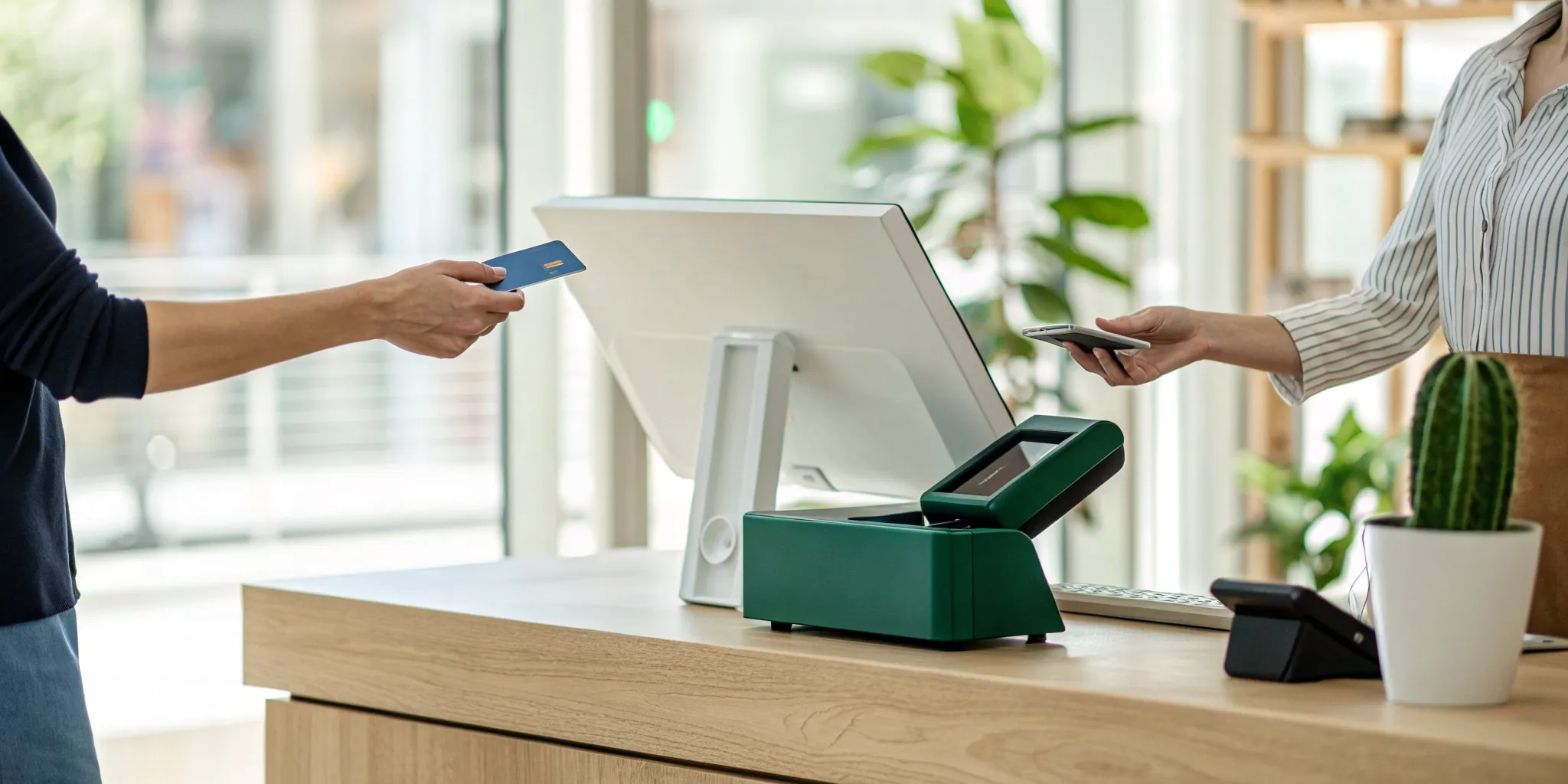
You don’t need to worry about complicated math or manual adjustments at the register. The right technology handles all the heavy lifting for you. A modern POS system can be programmed to display both the cash and card price for every item automatically. When a customer is ready to check out, the system will apply the correct price based on their payment method. When you partner with a payment processor, they will help you get the software set up correctly, ensuring your pricing is accurate and compliant. This automation removes the risk of human error and makes the checkout process seamless for both your staff and your customers.
Getting Your Team on Board
Your employees are your biggest advocates, so make sure they understand and support the new pricing model. Hold a brief training session to explain why you’re making the change, focusing on how it helps the business absorb rising costs without raising all prices across the board. This helps them see it as a strategic move to keep the business healthy. Give them simple, positive talking points to use with customers and run through a few role-playing scenarios so they feel comfortable answering questions. When your team is confident and can explain the program clearly, your customers will feel more at ease with the change.
How to Implement Your Dual Pricing Program
Putting a dual pricing program into action is more straightforward than you might think. It boils down to three key steps: clarifying your prices, updating your technology, and preparing your team. By tackling these one at a time, you can create a smooth transition for your business and your customers. This approach ensures everyone understands the new system and helps you start saving on processing fees right away. Let’s walk through how to get it done.
Define Your Pricing Structure
First, you need to decide exactly how you’ll present your prices. The goal is total transparency. For every product or service, you will display two prices: the price for paying with cash and the slightly higher price for paying with a card. For example, a menu item might be listed as “$10.00 cash / $10.30 card.” This clarity is non-negotiable. It shows customers you’re being upfront and gives them a clear choice, which builds trust from the start. Before you do anything else, map out this structure for your entire inventory so your pricing is consistent across the board.
Update Your POS System
Your point-of-sale (POS) system is the engine that runs your dual pricing program, so it needs to be up to the task. A modern POS system can be configured to automatically apply the correct price based on the customer’s payment method. This eliminates the risk of manual errors and keeps your checkout line moving smoothly. When your team selects “cash,” the system charges the cash price. When they select “card,” it charges the card price. Make sure your technology partner can set this up for you, ensuring a seamless experience for both your staff and your customers.
Train Your Staff
Your team is on the front lines, so they need to be your dual pricing experts. Proper staff training is essential for a successful launch. Make sure every employee understands why you’re making the change and can confidently explain it to customers in a simple, positive way. You could even prepare a short script with key talking points. When a customer asks about the two prices, a well-prepared employee can explain the savings offered for cash payments, turning a potential question into a positive interaction. This customer communication prevents confusion and reinforces that you’re offering them a choice.
How to Market Your New Pricing
Rolling out a new pricing model can feel daunting, but clear communication makes all the difference. When you introduce dual pricing, your goal is to help customers understand the change and see the value in it. A thoughtful marketing strategy ensures a smooth transition and keeps your customers happy. By being transparent and proactive, you can frame this change as a positive step for both your business and your patrons. Many business owners worry about customer pushback, but a well-planned announcement can actually build trust. It shows you’re being upfront about business costs instead of just raising prices without explanation. This approach puts you in control of the narrative.
Focus on three key areas to get the word out: clear in-store signs, direct customer education, and online announcements. This approach covers all your bases, informing customers wherever they interact with your brand. When done right, you’ll find that most people appreciate the honesty and the choice you’re giving them. Let’s walk through how to handle each step so you can feel confident in your launch and maintain a great relationship with your community.
Create Clear In-Store Signage
The first step is to make the new pricing impossible to miss inside your store. Clear, simple signage is non-negotiable. You need signs at the entrance and at the point of sale explaining the two prices. This transparency is not just good customer service; it’s a core requirement of a dual pricing program.
Your signs should clearly display both the cash price and the regular (card) price for items. Use straightforward language like, “Save when you pay with cash!” or “We now offer a cash price and a card price.” This frames the cash price as a discount, which customers are more likely to appreciate. Avoid clutter and small fonts. The message should be scannable and easy to grasp, ensuring no one feels surprised when they get to the register.
Educate Your Customers
Prepare to answer the question, “Why the change?” Your customers will be curious, and a confident, honest answer builds trust. Explain that credit card processing fees are a significant cost for small businesses. By implementing dual pricing, you can avoid raising your base prices across the board. Instead, you’re giving customers a choice and rewarding those who pay with cash.
It’s important to follow all the rules set by credit card companies, especially about how prices are shown and how the program is described. Train your team to use the same simple, positive language. A consistent message like, “This helps us keep our prices fair for everyone,” shows that you’ve thought through the decision and are committed to providing value.
Announce the Program Online
Don’t wait for customers to walk through the door to learn about your new pricing. Announce the change on your website, social media pages, and in your email newsletter. This gives everyone a heads-up and shows you’re being upfront about the transition. You can position it as a modern solution that helps your business adapt to market changes and remain profitable without sacrificing quality.
In your announcement, briefly explain how dual pricing works and why you’re making the switch. You could even include a short FAQ section to address potential questions. Highlighting the benefit of choice empowers your customers and reinforces that you value their business. A proactive digital marketing strategy ensures your message reaches a wide audience and sets clear expectations before their next visit.
Choosing the Right Payment Processor
Implementing a dual pricing program isn’t something you should do alone. The right payment processor acts as a partner, providing the technology, support, and guidance you need to make the transition seamless for you and your customers. When you start looking for a provider, it’s important to go beyond transaction rates and look at the complete package. A great partner will offer robust software, easy integrations, and dedicated support to help you stay compliant and confident in your new pricing structure. Think of it as adding an expert to your team who specializes in making payments simple and affordable.
Look for Essential Software Features
Your point-of-sale (POS) system is the heart of your dual pricing program, so it needs the right features to work correctly. Your payment processor’s software should automatically display both the cash and card price for every transaction. This transparency is key. As one merchant guide for small businesses explains, customers should clearly see the choice, for example, “$10.00 cash / $10.30 card,” on the screen and on their receipt. This builds trust and prevents confusion at checkout. Make sure any system you consider can handle this automatically, so your team doesn’t have to do manual calculations, which can lead to errors and slow down your lines.
Check for Easy Integrations
Your payment system doesn’t operate in a vacuum. It needs to communicate with the other tools you use to run your business, like your accounting software, online store, and inventory management system. A processor that offers easy integrations will save you countless hours of manual data entry. For example, if you sell online, your processor should be able to support tailored pricing for different currencies or regions, ensuring a smooth experience for international customers. Before committing, ask a potential provider how their system connects with the software you already rely on. A seamless setup means less administrative work for you and a more efficient business overall.
Find a Partner for Support and Compliance
Dual pricing comes with rules, and you need a partner who can help you follow them. A good payment processor does more than just handle transactions; they provide ongoing support and guidance. They should help you get set up correctly, ensure your signage and receipts are compliant, and offer advice on how to educate your customers about the new pricing. As experts at ECS Payments note, the goal is to pass along processing costs in a transparent way that feels fair to everyone. Look for a provider with a dedicated support team you can actually talk to when you have questions. This partnership is your safety net, ensuring you can run your program smoothly and legally.
Mistakes to Avoid with Dual Pricing
Implementing a dual pricing program can be a game-changer for your bottom line, but a few common missteps can cause headaches for you and your customers. Getting ahead of these potential issues ensures your transition is smooth and successful.
Lack of Transparency
The biggest mistake you can make with dual pricing is not being completely open about it. The goal is to offer a choice, not to surprise customers with a higher price at the register. Unlike surcharges, which can feel like a penalty, dual pricing is an opportunity to build trust by being transparent. When customers see both the cash and card price listed clearly, they understand they have options. This simple act of honesty shows you respect their business and empowers them to choose the payment method that works best for them, which is a great way to foster customer loyalty.
Inconsistent Pricing
Clarity is everything when it comes to your pricing. You must clearly display both the regular (card) price and the lower cash price on every price tag, menu, and sign. If a customer can’t easily see the two prices, it can lead to confusion and frustration at checkout. More importantly, inconsistent or unclear pricing can get you in trouble with card networks. For example, Visa can issue significant fines to businesses that don’t properly display both prices. Make sure your pricing is consistent across your entire store and all marketing materials to keep your customers informed and your business compliant.
Forgetting Compliance
While dual pricing is legal across the country, you still need to follow the rules set by card associations like Visa and Mastercard. These organizations have specific guidelines for how merchants can implement different pricing models. Beyond that, your business must also adhere to PCI DSS (Payment Card Industry Data Security Standard) requirements. These rules are in place to protect customer card data and prevent fraud. Working with a payment processor that understands these regulations is key to keeping your business secure and avoiding costly penalties for non-compliance.
Related Articles
Frequently Asked Questions
Will my customers get upset about paying more with a card? This is a common concern, but it often comes down to how you present the change. When you frame it as an opportunity for customers to save money by paying with cash, it feels like a reward, not a penalty. Most people understand that businesses have costs, and they appreciate the transparency and the choice. Clear signage and a confident team can make the transition smooth and show customers you value their business.
What’s the real difference between dual pricing and a cash discount? They sound the same. While they have a similar goal, the key difference is in the presentation. With dual pricing, you display two prices for every item from the start: the cash price and the card price. A cash discount program typically advertises one price (the card price) and then applies a discount at the register if the customer pays with cash. Dual pricing is built on upfront transparency, so there are no surprises at checkout.
Is this going to be complicated to set up? It’s much simpler than you might think, especially when you work with the right payment processor. A modern point-of-sale system can be programmed to handle everything for you, automatically displaying both prices and applying the correct one based on the payment method. The technology does all the heavy lifting, so your checkout process remains fast and error-free for your team and your customers.
How do I know if my business is a good fit for dual pricing? Dual pricing can work for nearly any business looking to reduce or eliminate credit card processing fees. It’s particularly effective for businesses with smaller average transactions and tight profit margins, such as coffee shops, quick-service restaurants, retail stores, and service providers. If you’re tired of seeing a significant portion of your revenue go to processing fees, this model is definitely worth exploring.
What’s the first step I should take if I’m interested? The best way to start is by talking to a payment processing expert. They can look at your current fee structure, walk you through how a dual pricing program would work for your specific business, and demonstrate the technology that makes it all run smoothly. A professional consultation will give you a clear picture of your potential savings and help you get set up for a successful launch.