We live in a subscription world. From our streaming services to our software, paying a small monthly fee for access to powerful tools has become second nature. So why should the technology that runs your business be any different? Instead of sinking thousands of dollars into hardware that will eventually become outdated, an epos system pay monthly model offers a smarter, more flexible alternative. This approach gives you a complete, modern point-of-sale solution—including hardware, software, and ongoing support—for one manageable monthly payment. It’s a strategic way to preserve your cash flow while still getting the sophisticated features you need to run your business efficiently. Let’s break down what these plans include and explore if this is the right path for you.
Key Takeaways
- Calculate the true cost before committing: A monthly plan saves you cash today but can cost thousands more over time. Always map out the total expense for at least three years to see if buying outright is the smarter financial move for your business.
- Remember you’re renting, not owning: Since you never own the hardware on a monthly plan, the quality of your provider’s support and their long-term stability are critical. Vet them as a business partner, not just a vendor, and read the contract’s fine print on support and cancellation.
- Focus on your needs, not just the features: Before comparing providers, list your non-negotiable operational needs, like specific software integrations or advanced inventory tracking. A system that simplifies your team’s daily workflow is always a better investment than one with features you’ll never use.
What Is a Pay-Monthly EPOS System?
Think of a pay-monthly EPOS system like a subscription service for your business’s checkout counter. Instead of buying all the hardware and software in one large, upfront purchase, you pay a manageable monthly fee. This model makes powerful retail technology accessible to everyone, from brand-new startups to established small businesses looking to upgrade their tools without draining their bank account. It’s a smart way to get a complete Electronic Point of Sale (EPOS) solution that helps you manage sales, track inventory, and understand your customers better.
This approach turns a major capital expense into a predictable operating cost, which can be a game-changer for your cash flow. You get all the benefits of a modern, efficient system—like faster transactions and detailed sales reports—while keeping more money in your business for other important things like marketing, inventory, or hiring your next great employee. It levels the playing field, giving you access to the same kind of sophisticated tools that bigger retailers use to run their operations smoothly and make data-driven decisions.
How Does a Pay-Monthly System Work?
A pay-monthly system is straightforward. You partner with a provider and, for a recurring monthly fee, they give you everything you need to run your point of sale. This subscription covers the cost of the hardware, the software license, and usually includes customer support and regular updates. By spreading the cost out over time, you can preserve your initial capital and make budgeting for your business much simpler. There are no surprise expenses for software upgrades or maintenance, just one consistent payment you can plan for. This allows you to invest in a high-quality system right from the start, rather than settling for a less capable option because of budget constraints.
What’s Included in the Package?
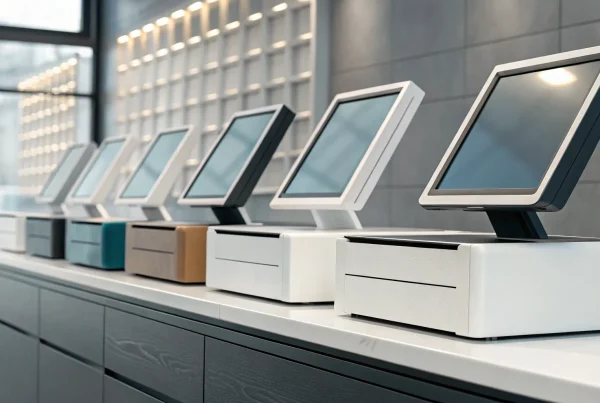
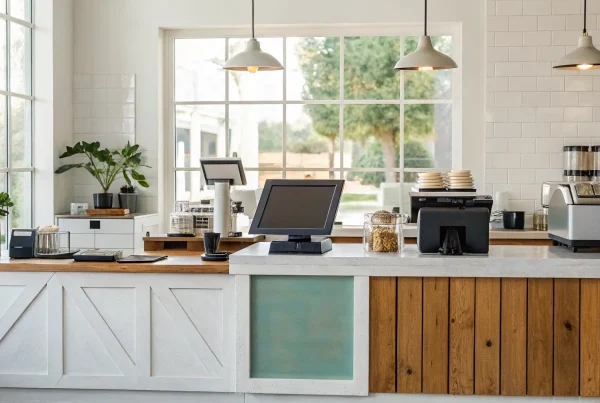
A typical pay-monthly EPOS package is an all-in-one solution designed to get you up and running quickly. On the hardware side, you can expect a sleek countertop terminal with a user-friendly touchscreen, a built-in receipt printer, and a secure, all-metal cash drawer. The real power, however, lies in the software, which gives you the tools to manage every sale, track your inventory in real time, and build customer profiles. Most packages also include setup assistance, training for you and your team, and ongoing technical support. As your business expands, these systems can grow with you, allowing you to add more devices, accessories, and integrations with other business tools.
The Pros of Paying Monthly for Your EPOS
Opting for a monthly payment plan for your EPOS system isn’t just about spreading out the cost—it’s a strategic move that can give your business incredible flexibility and peace of mind. Instead of tying up a large chunk of cash in equipment that will eventually become outdated, a subscription model turns your point-of-sale system into a predictable operating expense. This approach comes with a bundle of benefits that are especially helpful for small and growing businesses.
From day-one savings to ongoing support and future-proof technology, paying monthly allows you to access a powerful, top-tier system without the hefty upfront investment. It keeps your technology current, your budget in check, and a team of experts on your side. Let’s break down the key advantages that make this option so appealing for modern business owners.
Save Cash with a Lower Upfront Cost
The most immediate and obvious benefit of a pay-monthly plan is the minimal initial investment. A complete, high-quality EPOS system—including hardware like a touch screen, card reader, and receipt printer—can cost thousands of dollars to purchase outright. For a new business or one managing its cash flow carefully, that’s a significant capital expense. A monthly plan eliminates this barrier. Instead of a large one-time payment, you can get a state-of-the-art system up and running for a small, manageable monthly fee. This frees up your capital to be invested in other critical areas, like inventory, marketing, or hiring your first employee.
Keep Your Budget on Track
Predictability is a business owner’s best friend, and that’s exactly what a pay-monthly EPOS system offers. With a fixed monthly fee, you know precisely what you’ll be spending on your point-of-sale technology each month. There are no surprise repair bills or sudden costs for software upgrades. This all-in-one pricing model typically bundles the hardware, software, and support into a single payment, making your financial planning much simpler. You can easily incorporate this cost into your operating budget, which helps you maintain a healthy and predictable cash flow without worrying about unexpected expenses throwing things off track.
Get Continuous Support and Updates
When you pay monthly for an EPOS system, you’re not just leasing hardware; you’re investing in an ongoing service. A huge part of that service is dedicated technical support. If your system goes down during a busy Saturday shift, you have a team of experts to call for help. Many providers offer around-the-clock support and one-on-one training to get you started. Furthermore, your subscription ensures your software is always up to date. Providers automatically roll out security patches and new features, so your system remains secure and efficient without you having to manage any updates yourself.
A System That Grows with You
Your business isn’t static, and your technology shouldn’t be either. A pay-monthly EPOS plan is designed for scalability. When you’re just starting, you might only need a single terminal. But as you grow, you may want to add another checkout counter, a mobile device for line-busting, or even expand to a second location. A subscription model makes it easy to add new hardware and accessories as you need them. It also allows you to connect with hundreds of other business tools, from accounting software to email marketing platforms. This flexibility ensures your point-of-sale system can evolve right alongside your business.
Pay Monthly vs. Buying Outright: A Cost Breakdown
When you’re looking at EPOS systems, the price tag is obviously a huge factor. A pay-monthly plan can look incredibly attractive because it keeps your initial investment low. Instead of a large one-time expense, you have a predictable monthly payment, which can be a lifesaver for a new business or one with tight cash flow. But is it actually the more affordable option in the long run? The answer isn’t always straightforward. While buying a system outright requires more cash upfront, it can save you thousands of dollars over the life of your business and gives you a tangible asset.
To make the right choice, you need to look beyond the sticker price and understand the total cost of ownership. This means breaking down the monthly fees, calculating what you’ll spend over several years, and uncovering any potential hidden charges that could surprise you later. It’s easy to get drawn in by a low monthly number, but that figure rarely tells the whole story. We’re going to pull back the curtain on what these plans really cost, so you can compare your options accurately and choose the path that makes the most financial sense for your business. Let’s walk through what these numbers really mean for your bottom line, so you can feel confident in your decision.
Understanding the Monthly Fees
At first glance, a monthly fee seems simple enough. Most EPOS software plans cost somewhere between $30 and $400 per month, depending on the features and complexity you need. This recurring charge typically covers your license to use the software, access to customer support, and regular system updates. It’s an operating expense, much like your rent or utilities, which can make it easier to manage your monthly budget.
However, it’s crucial to clarify exactly what’s included. Does that fee cover the hardware, or are you just leasing it? Is premium support included, or is that an extra charge? The monthly fee is the baseline, but it’s rarely the full story. Think of it as the starting point for understanding your total technology costs, not the final number.
Calculating the Total Cost Over Time
This is where the math can get a little scary—but it’s essential. A seemingly small monthly fee adds up quickly. For example, a system that costs $75 per month will run you $900 by the end of the year. Over five years, that’s $4,500. If you stick with it for a decade, you’ll have spent $9,000 on a system you don’t even own. When you compare that to the one-time cost of buying a system, the long-term savings of purchasing outright become clear.
Before you commit to a monthly plan, I encourage you to map out the total cost over at least three to five years. This simple calculation gives you a much more accurate picture of the financial commitment and helps you compare different options fairly. It shifts the focus from “what does this cost me today?” to “what is the true long-term value for my business?”
Watch Out for Hidden Charges
With any service agreement, you have to read the fine print. Pay-monthly EPOS systems are no exception. The advertised monthly rate might not include everything you need to run your business effectively. You could face extra charges for things like payment processing, adding more users or registers, integrating with other software, or accessing advanced reporting features. These costs can inflate your monthly bill without warning.
Beyond extra fees, consider the risks of being locked into a single provider. What happens if they increase their prices or their service quality declines? Since you’re relying on their cloud-based system for daily operations, switching can be a major headache. Always ask for a clear breakdown of all potential fees and understand the terms of your contract before signing. A transparent payment solutions provider will be upfront about all costs involved.
The Cons of a Pay-Monthly Plan
While spreading out the cost of a new EPOS system sounds great on paper, it’s smart to look at the full picture before you commit. Pay-monthly plans come with a few significant trade-offs that can impact your business’s finances and flexibility down the road. The initial savings can sometimes hide long-term costs and restrictions that aren’t immediately obvious. Before signing on the dotted line, let’s walk through some of the potential downsides you need to consider. This isn’t about scaring you off, but about making sure you have all the information to choose the path that truly works for your business goals.
Higher Costs in the Long Run
The biggest catch with a pay-monthly plan is how much it can cost over time. That small weekly or monthly fee feels manageable, but it adds up quickly. For example, a system that costs $40 per week seems affordable, but that’s over $2,000 a year. Over a five-year period, you’d have spent more than $10,000 on a system you don’t even own. When you compare that to the one-time cost of purchasing a system outright, the subscription model often ends up being the more expensive option. It’s a classic case of convenience costing you more in the end, so it’s a crucial factor in your long-term financial planning.
Who Really Owns the Equipment?
This is a critical question to ask: when you stop paying, what do you have to show for it? With most pay-monthly plans, the answer is nothing. You’re essentially renting the hardware and licensing the software. Even after years of consistent payments, the EPOS provider retains ownership. This can create a major headache if you ever decide to switch providers or upgrade your system. You can’t take the equipment with you, and you’ll have to start from scratch. In contrast, when you buy your system, it’s a business asset. You own it, giving you the freedom to use it how you see fit without being tied to a single provider. The choice between leasing business equipment and buying it has a big impact on your operational freedom.
Understanding Contracts and Data Security
When you sign up for a pay-monthly EPOS system, you’re placing a lot of trust in your provider. Your entire sales operation—from processing payments to managing inventory—depends on their servers staying online and secure. If they experience technical difficulties or a service outage, your business could grind to a halt. Furthermore, you’re trusting them with sensitive business and customer data. It’s essential to read the contract carefully to understand their security protocols and liability. The fine print can also hide tricky clauses about price increases, cancellation fees, and who truly owns your data if you decide to leave, so be sure you know how they are protecting your customer data.
Comparing Top Pay-Monthly EPOS Providers
Once you’ve decided a pay-monthly model is the right move, the next step is picking the right partner. The EPOS market has plenty of great options, but the best one for you depends entirely on your business. Are you running a bustling cafe, a growing online boutique, or a service-based startup? To help you sort through the choices, I’ve broken down four of the top providers. We’ll look at what makes each one unique so you can find the perfect fit for your team and your customers.
MBNCard Payment Solutions
If you’re looking for a solution that adapts to your business needs, MBNCard is a fantastic place to start. We specialize in creating flexible payment solutions tailored to you. Our biggest draw for many merchants is the cash discount program, which can seriously lower your processing fees by passing a small service charge to customers who pay with a card. Beyond that, we offer everything from secure credit card processing and POS equipment to gift and loyalty programs that keep your customers coming back. It’s all about giving you the tools to create a great experience while keeping your operations smooth and PCI compliant.
Square POS Systems
You’ve probably seen Square’s little white card readers everywhere, and for good reason. Square is known for its incredibly user-friendly interface and straightforward approach, making it a favorite among small and medium-sized businesses. Their pay-as-you-go model means you aren’t locked into a long-term contract, which is perfect if you’re just starting out or your sales fluctuate. Everything is integrated—payment processing, inventory tracking, and even customer engagement tools. Many business owners appreciate their transparent pricing, which helps you understand exactly what you’re paying for without digging through complicated statements. It’s one of the best merchant account providers for simplicity.
Lightspeed Retail Solutions
For retail and restaurant owners with a lot of moving parts, Lightspeed is a powerhouse. This cloud-based system is built to handle complex operations, offering advanced inventory management that tracks stock across multiple locations. It also provides deep analytics and customer relationship management (CRM) features to help you understand your sales and your shoppers better. Because it’s a subscription, you can scale up as your business grows. Lightspeed also integrates beautifully with e-commerce platforms, making it a solid choice for omnichannel retailers who sell both in-person and online. You can find expert reviews that compare it with other industry leaders.
Epos Now Systems
Epos Now offers a comprehensive, all-in-one package that appeals to a wide range of industries, from retail shops to hospitality venues. Their pay-monthly plan is particularly attractive because it often bundles hardware, software, and ongoing support, which helps you manage costs with one predictable payment. The system is designed to be easy to use right out of the box and comes loaded with features to make your life easier. Think real-time sales reports, smart inventory management, and built-in customer loyalty programs. By streamlining these daily tasks, Epos Now helps you improve your overall operational efficiency, making it one of the top credit card processors to consider.
Must-Have Features for Your EPOS System
Choosing an EPOS system is a big decision, and the features you prioritize can directly impact your daily operations, customer satisfaction, and bottom line. While flashy extras might seem appealing, it’s the core functionalities that truly matter. Think of your EPOS as the central nervous system of your business—it needs to be reliable, smart, and well-connected. Let’s walk through the non-negotiable features every business owner should look for to ensure you’re getting a system that works for you, not against you.
Seamless Payment Processing
At its heart, your EPOS system needs to make getting paid simple and secure. A modern system should effortlessly accept all the ways your customers want to pay, including credit and debit cards, contactless taps, and mobile wallets like Apple Pay and Google Pay. Look for a provider that offers clear, straightforward rates without confusing jargon or hidden fees. The last thing you need is a surprise on your monthly statement. Fast, reliable payment processing ensures a smooth checkout experience for your customers and helps you get your funds quickly, keeping your cash flow healthy.
Smart Inventory and Sales Reports
A great EPOS system does more than just process sales; it gives you the data you need to make smarter business decisions. Real-time inventory tracking is a game-changer, helping you avoid running out of popular items and identifying which products aren’t selling. Your system should also provide easy-to-understand sales reports. With just a few clicks, you should be able to see your busiest hours, top-performing staff, and most loyal customers. This information is invaluable for everything from scheduling staff to planning your next marketing campaign and creating an effective inventory management strategy.
Connects with Your Other Tools
Your business likely relies on more than one piece of software to run smoothly. That’s why your EPOS system must be a team player. Look for a system that offers integrations with the other tools you already use, like your e-commerce platform (such as Shopify or Wix) or your accounting software. When your EPOS system can automatically sync sales and inventory data with your online store and financial records, you eliminate hours of manual data entry and reduce the risk of errors. This creates a unified command center for your entire operation, giving you a clear view of your business performance.
Easy for You and Your Team to Use
The most powerful system in the world is useless if it’s too complicated for your team to operate. A user-friendly, intuitive interface is essential. Your EPOS should be easy to set up and require minimal training for new employees to learn. A complicated checkout process can lead to long lines and frustrated customers, while a simple one keeps things moving smoothly, even during your busiest rushes. The system should be reliable and straightforward, allowing your team to focus on what they do best: serving your customers.
Is a Pay-Monthly EPOS Right for Your Business?
Deciding between a pay-monthly plan and buying an EPOS system outright really comes down to your specific business needs, budget, and long-term goals. A subscription model isn’t a one-size-fits-all solution, but it’s an incredibly flexible option for certain types of businesses. If you run a retail store, a bustling cafe, or are just getting your startup off the ground, a pay-monthly EPOS could be the perfect fit. It gives you access to powerful sales and management tools without the hefty initial price tag, letting you focus your capital on other areas of growth. Let’s look at a few scenarios where a monthly plan makes the most sense.
Perfect for Retail and E-commerce
If you’re in retail, you know that managing inventory, tracking sales, and keeping customers happy are your top priorities. A pay-monthly EPOS system helps you do all three without a massive upfront investment. Modern systems can sync your in-store and online inventory in real time, preventing you from selling out-of-stock items. They also provide detailed sales reports that show you which products are bestsellers and when your busiest hours are. This kind of data is invaluable for making smart business decisions. An EPOS system can help any business improve its transaction process, and for retailers, the low monthly cost makes it an accessible way to streamline operations and create a smoother checkout experience for your customers.
A Great Fit for Restaurants and Cafes
The fast-paced world of hospitality demands efficiency, and a pay-monthly EPOS system delivers just that. The hospitality sector can see huge benefits from a system designed for its unique needs. Think about it: you can manage table layouts, send orders directly to the kitchen, split bills effortlessly, and even handle online ordering and delivery integrations from one central hub. Because you’re paying monthly, you’ll always have the latest software updates, which is crucial for new features like contactless payments or QR code ordering. This model allows you to adapt to changing customer expectations without having to constantly buy new hardware, keeping your service quick and your operations running smoothly.
Ideal for Startups on a Budget
When you’re launching a new business, every dollar counts. The last thing you need is a massive, five-figure expense for a point-of-sale system. A pay-monthly EPOS is a game-changer for startups because it turns a major capital expenditure into a predictable, manageable operating cost. This frees up your cash for things like marketing, inventory, and hiring your first employees. Plus, a professional EPOS system helps you look established from day one. It allows you to process payments securely, track sales accurately, and avoid the manual errors that can hurt a new business. For any new venture, an EPOS can save you time and reduce mistakes, giving you a solid foundation to build on.
Common Myths About Pay-Monthly EPOS, Busted
When you’re looking for a new EPOS system, the idea of a low monthly payment can sound like a dream. It feels manageable, predictable, and easy on your cash flow. But before you sign on the dotted line, it’s important to look past the marketing and understand what you’re really getting into. Pay-monthly plans come with a lot of fine print, and some common beliefs about them just aren’t true.
Let’s clear the air and tackle some of the biggest myths surrounding these subscription-based systems. We’ll look at what they actually cost over time, who truly owns the equipment sitting on your counter, and how much control you really have over a system that’s central to your daily operations. Getting the facts straight will help you decide if a pay-monthly plan is the right move for your business or if buying outright is a better long-term investment.
Myth: It’s Always Cheaper
The biggest draw of a pay-monthly EPOS system is the low initial cost. Instead of a large upfront investment, you pay a small, manageable fee. While this is great for short-term cash flow, it often masks the true long-term costs. A plan that costs just $40 per week might not seem like much, but that adds up to over $2,000 a year. Over a typical five-year contract, you could end up paying over $10,000 for a system you could have bought outright for a fraction of that price. It’s essential to do the math and calculate the total cost of ownership before committing.
Myth: You Own the System
This is a critical misunderstanding. With most pay-monthly plans, you are essentially leasing the equipment and licensing the software. You don’t own it. Even after making payments for three, four, or five years, the hardware—the terminal, cash drawer, and printer—still belongs to the provider. If you decide to switch providers or end your contract, you’ll likely have to return everything. When you buy a system outright, you own the physical assets. This gives you the freedom to use them for as long as they last and even resell them if you upgrade later.
Myth: You Have Less Control
When you subscribe to a cloud-based EPOS service, your business operations become dependent on the provider. Your system relies on their servers to function, process payments, and store data. If their servers go down or they go out of business, your ability to operate could be severely impacted. This creates a level of risk and dependency that you don’t have when you own your system. Owning the hardware and a perpetual software license gives you more autonomy and stability, ensuring that a critical piece of your business infrastructure is always under your control.
How to Choose the Right Pay-Monthly EPOS
Picking a pay-monthly EPOS system feels like a big commitment, but it doesn’t have to be overwhelming. The key is to look beyond the flashy features and find a solution that truly fits how you do business. Think of it as hiring a new team member—you want someone reliable, efficient, and easy to work with. A great system should simplify your day-to-day tasks, from processing payments to managing inventory, not add another complicated process to your plate. It’s a tool that should work for you, helping you make smarter decisions and give your customers a smoother experience. Too often, business owners get locked into contracts for systems that are either too complex or not powerful enough for their needs. To avoid that trap, you need a clear plan. By focusing on a few key areas, you can confidently choose a system that will support your growth instead of causing headaches down the road. Let’s walk through the three essential steps to get it right: defining your unique business needs, reading the fine print on any agreement, and knowing how to measure your system’s performance once it’s in place.
Define Your Business Needs
Before you even start looking at providers, take a moment to map out exactly what you need your EPOS to do. Are you running a busy cafe that needs to manage table orders and split bills, or a retail boutique that requires detailed inventory tracking across multiple sizes and colors? Make a list of your “must-haves” versus your “nice-to-haves.” For instance, every business needs reliable payment processing, but you might also need integrations with your accounting software or an online store. Understanding the core benefits of an EPOS for your specific industry will help you filter out the noise and focus on the systems that will actually save you time and streamline your operations.
Read the Fine Print and Check Support
A low monthly price can be tempting, but it’s crucial to understand what you’re signing up for. Dig into the contract details. How long is the term? What are the penalties for early cancellation? And who is responsible if the hardware breaks? Equally important is the level of customer support. When your system goes down during a Saturday rush, you need immediate help, not an email response 48 hours later. Look for providers that offer 24/7 support through phone or live chat. Ask potential providers about their average response times and if you’ll have access to one-on-one training to get your team up to speed quickly.
Measure Your System’s Performance
Once your new EPOS is up and running, the work isn’t over. The best way to know if you made the right choice is to track its impact on your business. A good system should provide you with a clear performance dashboard that makes it easy to monitor key metrics. Are your transaction times faster? Is your inventory management more accurate? Are you using sales reports to make smarter stocking decisions? By regularly checking these key performance indicators, you can ensure your EPOS is a valuable asset that’s delivering a real return on your monthly investment. If it’s not, you’ll have the data you need to address the issues with your provider.
Related Articles
- 7 Best Retail POS Systems for Small Business
- The Ultimate List: 9 POS Systems for Restaurants
- 7 Best Point of Sale Systems for Retail Stores
- Restaurant Point of Sale POS System: A Buyer’s Guide
Frequently Asked Questions
What happens if my business grows and I need to add more equipment? This is one of the biggest advantages of a pay-monthly plan. Most providers design their services to be flexible, making it simple to add another terminal, a mobile card reader, or other accessories as your business expands. You would typically just contact your provider, and they can adjust your monthly subscription to include the new hardware, saving you from another large, unplanned expense.
Am I locked into a long contract with a pay-monthly plan? Contract terms can vary quite a bit between providers, so this is a crucial question to ask upfront. Some companies offer month-to-month flexibility, which is great for new businesses, while others may require a one to three-year commitment. Always make sure you read the agreement carefully to understand the length of the term and what the penalties might be if you need to cancel early.
Besides the monthly subscription fee, what other costs should I be aware of? The monthly fee usually covers the hardware and software license, but it’s rarely the only cost. You’ll also have payment processing fees for every card transaction you run. Additionally, some providers charge extra for things like adding more users, integrating with specialized software, or accessing premium customer support. It’s always a good idea to ask for a complete breakdown of all potential fees so there are no surprises on your bill.
What happens to my business and customer data if I decide to switch providers? Your sales and customer data are valuable assets, so you need to know who controls them. Before signing up, clarify the provider’s policy on data ownership and portability. A reputable company will allow you to export your key information, like customer lists and sales history, if you decide to leave. This is a critical detail to confirm in your service agreement to ensure you’re not trapped.
Can I switch from a monthly plan to buying a system outright later on? This depends entirely on the provider. Some companies that offer both subscription and purchase options may allow you to buy out your leased equipment or transition to an ownership model. However, many subscription-focused providers don’t offer this path. If you think you might want to own your system in the future, this is an important question to ask while you’re still comparing your options.